Home > News > Blog > Which insulin syringe size is better for small-dose applications?
share
Which insulin syringe size is better for small-dose applications?
Sep 05Source:Intelligent Browse: 85
Picture this: you're getting ready to take an 8-unit insulin dose, and your hands pause. That tiny amount feels very important, and it truly is. For small doses under 30 units, a 0.3 mL insulin syringe is the best pick. Its thinner tube and finer marks, often spaced at half-unit steps, help you measure more exactly. This design lowers the chance of dosing mistakes. In fact, a study in 47 hospitals showed that 73.8% of insulin error reports tied to syringe size used a 1-mL syringe—a bigger choice for small doses. This post explains syringe parts, matching size to your insulin dose, key features like needle thickness, and useful injection advice. With the right syringe for diabetes, you can handle accurate insulin delivery and make daily shots feel doable and sure.
Key Takeaways
Use a 0.3 mL syringe when your insulin dose is less than 30 units. Its smaller lines help you measure the dose more exactly.
Pick the smallest syringe that can hold your biggest dose. This helps you avoid mistakes in your dose.
A 29G needle hurts less. Most people feel little or no pain.
Shorter needles (like 13mm) put insulin into the fat layer. This helps the body take it in better and feels more comfortable.
Always use a new syringe for every shot. Using needles again can cause infections and wrong doses.
Understanding Insulin Syringe Sizes and Markings
Before you pick a syringe, you need to know how capacity works. Insulin syringes come in three common sizes: 0.3 mL, 0.5 mL, and 1.0 mL. Each one holds a different maximum amount of U-100 insulin. The 0.3 mL syringe holds up to 30 units. The 0.5 mL syringe holds up to 50 units. The 1.0 mL syringe holds up to 100 units. Your insulin dose tells you which size you need.
Syringe Capacity: 0.3 mL vs. 0.5 mL vs. 1.0 mL
The barrel size changes how you see the marks. A 0.3 mL syringe has a thinner barrel. This spreads the unit lines farther apart. You can see each mark clearly without straining. A 0.5 mL syringe works for doses between 30 and 50 units. Its barrel is wider, so the same number of units takes up less room. A 1.0 mL syringe is for doses above 50 units. Its marks sit very close together, making exact reading hard.
Syringe Size
Maximum Units
Typical Marking Intervals
0.3 mL
30 units
1-unit or 0.5-unit marks
0.5 mL
50 units
1-unit marks
1.0 mL
100 units
2-unit marks
The table shows a clear pattern. Smaller syringes have finer lines. Larger syringes use bigger gaps between marks. This difference matters more than you think.
How Unit Markings Affect Dosing Precision
Finer marks lower the chance of reading errors. On a 0.3 mL syringe, you may see half-unit lines. These let you measure a dose that is not a whole number of units exactly. A 1.0 mL syringe only shows marks every 2 units. You cannot measure odd numbers precisely. You would have to guess between lines, which leads to mistakes.
0.3 mL syringes are meant for insulin doses under 30 units, confirming that 30 units is the max capacity for this syringe size.
Think about measuring an 8-unit dose. On a 100-unit syringe, the marks bunch together like tiny print on a sign. You might misread by one or two units. Those small errors build up over time. They can cause too much insulin and raise your risk of low blood sugar. On a 30-unit syringe, the same 8-unit dose spreads over more space. You can line up the plunger exactly with the right mark.
The Contriu 0.3ml Insulin Syringe shows this design idea well. Its clear barrel and bold marks make each unit easy to see. The syringe and needle size combo supports accurate delivery for small doses. When you match your syringe size to your real needs, you feel more sure with every shot.
Matching Syringe Size to Your Dosage Needs
Picking the right syringe size is not just about what feels good. There is a clear medical rule: use the smallest syringe that can hold your biggest prescribed dose. This rule helps you avoid measurement mistakes. If you pick a larger syringe than needed, the unit lines spread across a wider tube. Each line sits closer to the next one. Your eyes have to work harder to tell them apart. That extra effort raises the chance of drawing the wrong amount.
Think about your daily routine. If your largest insulin dose is 8 units, a 0.3 mL syringe works perfectly. It holds up to 30 units, so you have extra room. A 0.5 mL syringe could also work, but it creates needless problems. The wider tube squeezes those 8 units into less space. You must line up the plunger more carefully. Small mistakes become bigger dosing errors. The 0.3 mL syringe gives you more space between each unit line, so reading is easier.
The Rule of Thumb: Smallest Syringe for Your Largest Dose
This idea shows up in many diabetes teaching guides. Doctors and nurses teach it because it works. The reason is simple. A syringe built for 100 units forces you to measure tiny parts of its full amount. A syringe built for 30 units lets you measure the same dose with better clarity. You notice the difference right away when you hold both side by side.
Think about a common situation. Your doctor tells you to take 8 units of insulin each morning. With a 1.0 mL syringe, those 8 units take up only a small part of the tube. The lines bunch together near the plunger. You might easily read 7 or 9 units instead. With a 0.3 mL syringe, those same 8 units fill almost half the tube. Each unit line stands out clearly. You can see exactly where the plunger edge rests. This clear view cuts down on guessing.
The rule also helps when your dose changes. Your insulin needs may shift with activity, meals, or sickness. When your dose goes up, you need a syringe that still fits it comfortably. Always check your largest possible dose against the syringe size. Leave a little extra room for safety. Never fill a syringe all the way to the top because you need space for air bubbles and careful plunger placement.
Comparing 0.3 mL and 0.5 mL for Doses Under 30 Units
For doses below 30 units, you may ask whether 0.3 mL or 0.5 mL is better. The answer becomes obvious when you look at the lines. A 0.3 mL syringe usually has half-unit marks. This finer scale lets you measure doses like 7.5 or 12.5 units exactly. A 0.5 mL syringe typically shows only whole-unit marks. You cannot measure half-units without guessing between lines.
The space between lines matters in real life. On a 0.3 mL syringe, each unit takes up more room on the tube. Your fingers feel more steady when moving the plunger. You can make small changes without going too far. The Contriu 0.3ml Insulin Syringe shows this design well. Its clear tube and bold marks make each unit simple to spot. The smooth plunger moves precisely, so you can stop right at your target line.
Think about an 8-unit dose. On a 0.5 mL syringe, the lines sit fairly close together. You can measure correctly if you pay close attention. On a 0.3 mL syringe, those 8 units spread across a bigger viewing area. The extra space reduces eye strain and boosts accuracy. For kids, older adults, or anyone with vision problems, this benefit matters even more.
The choice also affects how you feel. When you trust your measurement, you inject with less hesitation. That confidence lowers stress and makes the whole experience better. Matching syringe size to your dose is not just about numbers. It is about building a routine you can rely on every day. For small doses, the 0.3 mL syringe gives you that dependability. Your insulin dose deserves this level of care.
Key Features of a 0.3 mL Insulin Syringe for Small Doses
When you pick a syringe for small doses, the needle is just as important as the barrel. The right needle size causes less pain and delivers insulin correctly. You need to know two main things: gauge and length. These factors help you choose the best needle size for daily comfort and accurate dosing.
Needle Gauge and Length: Balancing Comfort and Efficacy
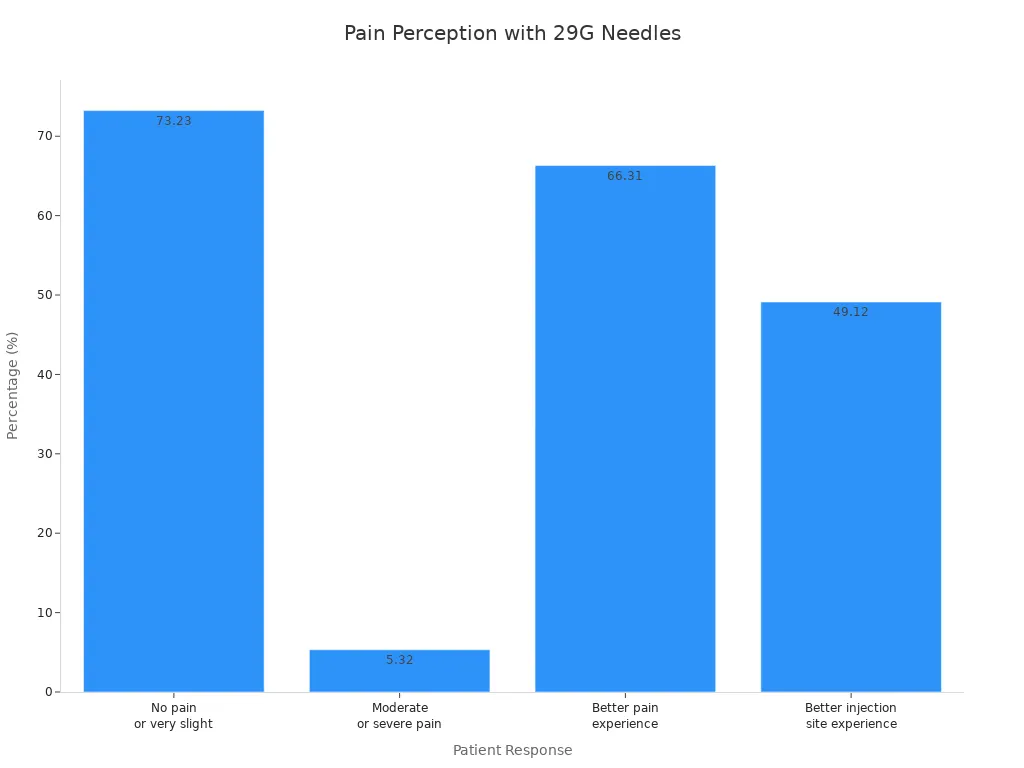
The gauge tells you how thick the needle is. A higher gauge number means a thinner needle. The Contriu 0.3ml Insulin Syringe uses a needle designed for comfort. Clinical evidence shows why a 29G needle, for example, matters for patient comfort. This insulin needle gauge gives a good mix of strength and comfort.
Metric
29G Needle Result
Median pain rating (0-4 scale)
1.0 (mean 1.09, SD 0.81)
Patients reporting 'no pain' or 'very slight pain'
73.23%
Patients reporting 'moderate' or 'severe' pain
5.32%
Median pain comparison vs. 27G needle
1.0 (mean 0.89, SD 0.86, P < 0.001)
Patients rating 29G as 'a lot better' or 'a little better' for pain
66.31%
Patients rating 29G as 'a lot better' or 'a little better' for injection site experience
49.12%
These numbers show a clear pattern. Most people feel little to no pain with a 29G needle. Only a small number report moderate or severe discomfort. The ultra-fine design goes through skin smoothly, which improves your overall experience.
According to a review of two clinical trials and five surveys (Jaber et al.), the 29G/5-bevel needle cut pain scores by 40% and improved skin penetration by 69% compared to the 27G/3-bevel needle. Also, 63% of surveyed MS patients said injections were less painful with the 29G/5-bevel needle.
Needle length also matters a lot. The Contriu syringe has a needle length designed for subcutaneous injection. This insulin needle length works well for most body types. But research says shorter options may be even better for subcutaneous injection.
The International Scientific Advisory Board (Third Injection Technique Workshop, 2010) recommends 4-, 5-, and 6-mm needles for all adult patients no matter their BMI.
The same board said that 4-mm pen needles work well in all patients regardless of BMI, and that 4-mm needles can give insulin successfully in most adult patients.
Shorter needles lower the risk of injecting into muscle. They deliver insulin into the fatty layer right under the skin. This method ensures steady absorption and reduces pain. When you match needle size to your body type, you get reliable results.
Design Elements That Enhance Accuracy and Ease of Use
Besides the needle, the syringe body also affects your dosing precision. A well-designed insulin syringe with fixed needle has features that make each injection simpler and safer.
Clear barrel markings help ensure better accuracy so insulin doses stay correct without confusion. Bold markings cut down mistakes and make measurement reliable for daily treatment. Users feel secure that they are drawing the right amount of insulin every time, which improves adherence and accuracy.
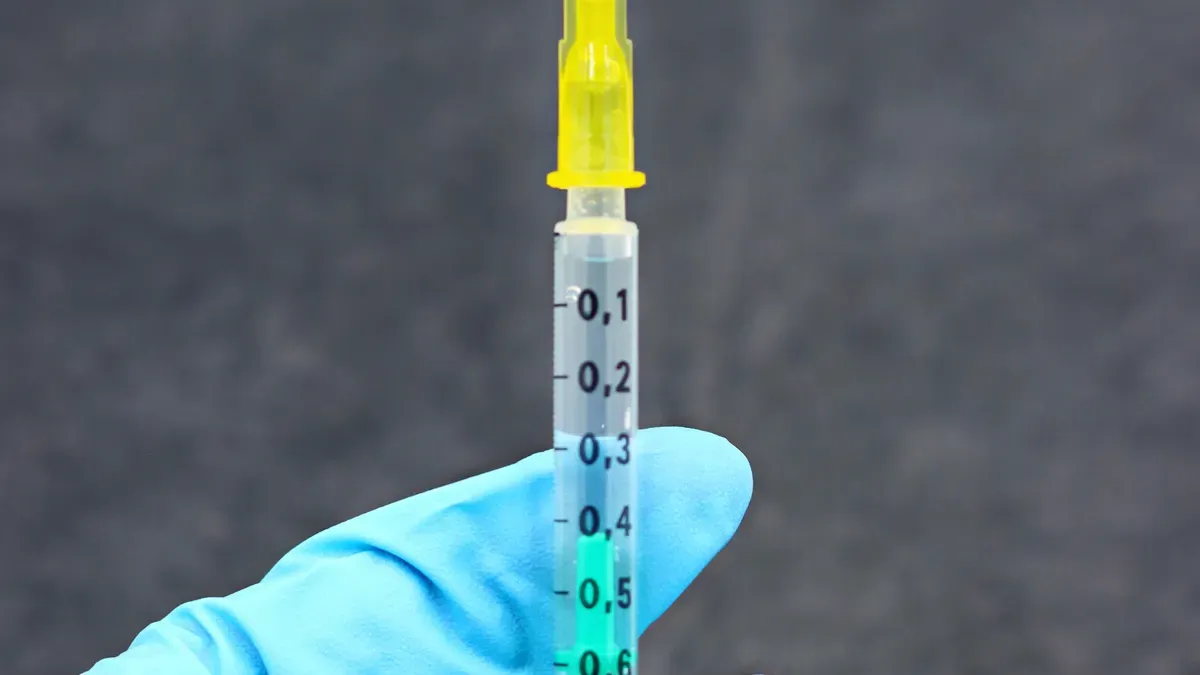
Bold, permanent markings on the barrel make dosing easier and more accurate, even for people with limited vision. Clear, bold numbers and plunger alignment with scale markings make sure each dose is easy to measure correctly. The lack of dead space in the hub reduces air bubbles and insulin waste, improving dosing accuracy.
Clear markings help you avoid air bubbles and dosing mistakes. Easy-to-read graduation lines let you check your dose and see if there are any bubbles before injecting. A clear barrel lets you see the insulin and check for bubbles, contributing to accurate dosing.
Clear, bold markings on dual scales prevent misreading, especially for elderly or visually impaired users, directly improving dose accuracy. Medical-grade polycarbonate barrel keeps the barrel clear and easy to read, reducing visual errors. Dual scales let you switch between U-100 and U-40 insulin, reducing confusion and dosing errors.
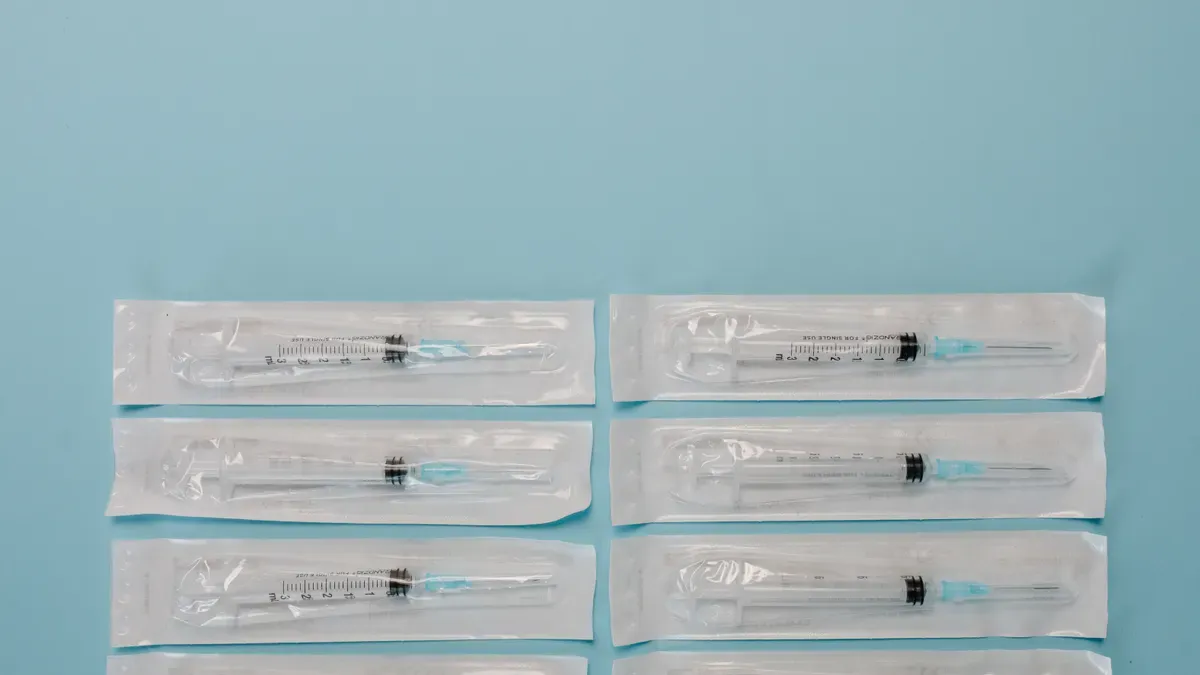
The Contriu syringe puts these design elements together well. Its smooth plunger glides without sticking, so you keep steady control. Each syringe comes individually wrapped and sterile, making it good for home use. This attention to detail supports accurate insulin delivery while focusing on patient comfort. When you hold a well-designed syringe, you feel sure about measuring your dose correctly every time.
Practical Tips for Accurate Small-Dose Injections
Drawing Up the Correct Dose
Begin with clean hands and a bright, flat workspace. Take the cap off the vial and clean the rubber top with an alcohol wipe. Pull back the plunger to pull in air equal to your insulin dose. Put the needle into the vial and push the air inside. This stops a vacuum from forming in the vial.
Flip the vial upside down and pull the plunger to fill the syringe with your insulin dose. Look at the barrel for air bubbles. Small bubbles take up space meant for medicine. They can make your dose wrong.
For cloudy (longer-acting) insulin, gently roll the vial between your hands to mix it evenly. Avoid vigorous shaking, as this produces air bubbles or foam that can interfere with drawing the correct dose.
If you see bubbles, hold the syringe straight up with the needle pointing up. Tap the barrel gently a few times. This moves the bubble so it can float to the top. Push the plunger a little to push out the air. Check that the syringe still has the full dose you need. If not, pull in a bit more to make up the difference.
Read the unit marks on the syringe barrel, not the mL marks. Make sure the top edge of the plunger lines up exactly with the unit line you want. A 0.3 mL insulin syringe holds up to 30 units. Its barrel usually has marks every 1 unit. Some versions have half-unit marks for better accuracy. Since the barrel is shorter and marks are farther apart, small doses like 8 units are simpler to see and check. This design lowers the chance of reading your insulin dose wrong.
Injection Technique for Comfort and Consistency
Pick your injection spot with care. The belly, thighs, and upper arms are good for subcutaneous injection. Switch your injection spots to prevent lipodystrophy, a problem where fatty tissue gets hard or forms lumps. This issue can change how your body takes in insulin.
Place each new injection about one fingerbreadth away from the last spot. Split your belly into four sections. Use one area for a week, then move in a circle. For thighs, picture each leg split into parts. Move through them from top to bottom, then change legs. Give each area at least one week of rest.
Do not inject into areas with lipohypertrophy, redness, swelling, or open sores. Watch your blood sugar when you change spots. Absorption may shift, so test your levels after using a new area.
For the shot itself, pinch the skin gently if you use a longer needle. Insert at a 90-degree angle for shorter needles, such as those on the Contriu syringe. Push the plunger smoothly and evenly. Pull the needle out at the same angle you put it in. Press lightly with a dry cotton ball if needed.
This good technique helps with comfort and steady results. The right needle size matters too. A 29G needle causes little pain for most people. Learning these steps makes daily insulin shots feel normal. You gain confidence with every correct dose.
For small-dose applications, a 0.3 mL insulin syringe gives the best precision. Its finer markings help you measure your insulin dose accurately. This syringe size works well for doses under 30 units, especially for children or anyone needing small doses. A 1.0 mL syringe fits larger doses over 50 units. Matching syringe size to your needs is a critical skill for safe diabetes management.
Discuss your specific needs with your healthcare provider. Products like the Contriu 0.3ml Insulin Syringe offer quality and reliable insulin delivery. The right needle size improves patient comfort. Proper technique also enhances patient comfort. But personal preference and medical advice guide your final choice. Mastering the right tools reduces stress. You gain confidence in managing your health.
FAQ
Can I reuse an insulin syringe for multiple injections?
No. Each syringe is sterile and made for one use only. Using it again raises the risk of infection and can make the needle dull. A dull needle hurts more and may not give the right amount of insulin. Always use a fresh, wrapped syringe for every shot.
How do I know if my insulin dose fits a 0.3 mL syringe?
Look at your prescription for the largest units you take at one time. A 0.3 mL syringe can hold up to 30 units of U-100 insulin. If your biggest dose is 30 units or less, this size works well. Always talk to your healthcare provider before making a change.
What does the 29G needle gauge mean for my comfort?
The 29G needle is very thin, so it causes less pain when you inject. Studies show most people feel little or no discomfort with this size. The thinner needle also goes through skin more easily, making each shot smoother. This design focuses on comfort while still delivering insulin reliably.
Why do markings matter more on smaller syringes?
Smaller syringes place unit lines farther apart on the barrel. This extra space makes each mark easier to read and cuts down on dosing mistakes. A 0.3 mL syringe often has half-unit marks for exact measurement. You can see clearly where the plunger sits, so you feel sure about every dose you draw.
Should I choose a shorter needle for better results?
Shorter needles, like the 4mm or 5mm ones, put insulin into the fat layer just under the skin. This spot helps insulin absorb steadily and lowers the chance of hitting muscle. The right needle size also makes daily shots more comfortable. Ask your doctor which length fits your body best.