The main difference between an MF static mixer and an MC static mixer is how you can reach the elements. An MF static mixer has mixing elements that stay fixed inside its housing. An MC static mixer lets you take the elements out. This one design choice affects everything else about the mixer: performance, maintenance, and cost. Engineers need to understand these differences to pick the right mixer for their process. The next sections compare design, mixing efficiency, common uses, cleaning methods, and total cost. This information helps readers choose based on their own needs.
Key Takeaways
MF mixers have parts that do not move and can be thrown away. This makes them cheap and easy to use for gluing many items at once.
MC mixers have parts you can take out to clean and reuse easily, ideal for sanitary processes that often change.
Both mixer types give the same mixing quality when their internal element shapes are the same.
Pick MF when you want to spend less each time you use it. Pick MC when you want to save more over time in clean jobs that need frequent changeovers.
MF Static Mixer Design and Construction
Fixed Elements and Housing
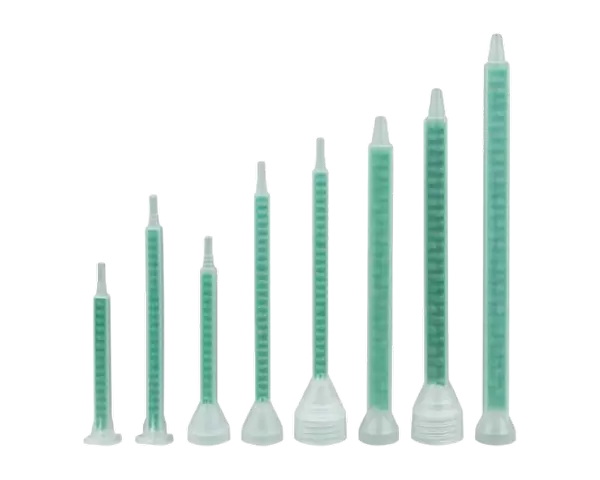
An MF static mixer shows how a fixed-element design works in real life. Its mixing tube holds internal geometry that guides two-component adhesives, resins, and other thick materials through a smooth flow path. The design cuts waste and boosts mixing efficiency. Each model has multiple mixing nodes, and lengths, capacities, and inner diameters vary by size to match different cartridges and dispensing guns.
The elements inside an MF static mixer are permanently fixed in place. You cannot take them out. This fixed build keeps the internal geometry steady over the life of the part. A static mixer like this has no moving parts. That feature sets it apart from dynamic mixers, which use rotating parts and cost more to buy and run. Process equipment with no moving parts runs maintenance-free, uses energy well, and supports lower operating costs.
Interface options connect the housing to dispensing equipment. A bayonet connection uses a rectangular twist-and-lock setup for cartridge glue guns of all sizes. A bell connection attaches with a retaining nut that slips over the top and screws into the gun or meter mix equipment. An integral nut, or threaded mouth, screws right onto larger cartridges without a retaining nut.
Materials and Configurations
Material choice for static mixers must think about compatibility with water quality and chemical additives. Key factors include pH, temperature, and the presence of chlorine or other oxidising agents. These conditions can break down unsuitable materials. Common options include stainless steel, polypropylene, Teflon, PVDF, PVC, CPVC, polyacetal, and glass-lined steel. Glass-lined steel shows up in the latest designs for static mixing elements. Different grades of steel, thermoplastics, and other corrosion-resistant materials protect against fouling and degradation over time. Regional water standards may also require acceptable materials. Product-specific approvals such as DWI/WRAS in the UK, NSF in the USA, or ACS in France often apply.
These material and interface choices affect chemical compatibility and cost. A more corrosion-resistant material usually costs more. The right pick depends on the fluid, the operating temperature, and the cleaning chemicals in use. Engineers should weigh these factors against the demands of the application before specifying an MF static mixer.
MC Static Mixer Design and Construction
Removable Elements and Housing
An MC static mixer has a housing that opens or comes apart so the inside elements can slide out. This design lets technicians take out the mixing elements to clean, inspect, or replace them. The housing stays hooked up to the process line. Only the elements come out. This saves time during maintenance because the whole mixer does not need to be cut out or thrown away.
The removable design also helps with thorough cleaning between production runs. Operators can pull the elements, check them for wear or damage, and put them back. If an element looks worn down, a new one drops in without replacing the whole unit. This approach makes the housing last longer and cuts down on waste.
MC static mixers often have Clean In Place (CIP) certification. This certification matters in food, beverage, and pharmaceutical applications where hygiene rules are strict. Being able to remove elements helps CIP cycles work well. Cleaning solutions reach all inside surfaces. Residue does not hide in fixed geometry.
Materials and Configurations
Material selection for MC mixers follows the same logic as MF mixers. Stainless steel is the standard metal for both housings and elements in sanitary applications. Electropolished surface finishes improve cleanability and resist corrosion. These finishes also lower the chance of product buildup on inside surfaces.
Material categories for MC mixers include specialty alloys, lining materials, plastics, and steel materials. The choice depends on the fluid, temperature, and cleaning chemicals. A pharmaceutical process may need a specific alloy for compatibility. A food process may need a plastic that meets FDA standards. These decisions mirror those for MF static mixers.
Available sizes for MC mixers range from 1 inch to 6 inches in diameter. Pipe schedules from 10 to 40 are common. These sizes cover many sanitary and industrial process lines. Engineers should match the mixer size to the flow rate and pressure drop budget of the system.
The comparison between MF and MC mixers on materials is direct. Both types use similar metals, plastics, and surface finishes. The difference lies in how the elements attach to the housing. MF elements are welded or fused in place. MC elements slide out. This distinction affects maintenance and cleaning, not the basic material options.
For inline mixers in sanitary service, the removable design of MC units offers practical advantages. A static mixer that can be opened and inspected supports better process control. Operators can verify that the inside geometry matches the specification. They can also confirm that no damage occurred during operation.
The housing and element materials must resist the same conditions in both mixer types. Temperature, pressure, and chemical exposure drive the selection. A static mixer with the wrong material will fail regardless of whether the elements are fixed or removable. Engineers should verify compatibility before specifying any inline mixer for a demanding application.
Static Mixer Mixing Performance and Pressure Drop
Mixing Efficiency and Quality
How well a static mixer blends things depends on three main things: how many elements it has, how thick the material is, and the mixing ratio. The coefficient of variation (CoV) shows how well two parts blend together. A lower CoV means the mix is better. In laminar flow, CoV only depends on material rheology, mixer type, and the number of mixing elements. The operating conditions do not change it.
More elements usually make the mix better. But adding elements also makes the pressure drop go up. Higher mixing ratios and higher viscosity ratios lower mixing efficiency. For tough materials with high ratios, standard mixer types may not mix evenly. Special designs like X-Grid mixers work well for these cases.
An MF static mixer and an MC static mixer with the same element shape work about the same. The difference between them is how easy they are to service, not how they mix. Both types follow the same rules to get a good mix. When choosing a static mixer for a job, engineers should focus on element count and how the material acts.
Pressure Drop Characteristics
Pressure drop depends on how many elements there are and how thick the materials are. More elements create more resistance to flow. Thicker materials also need more force to push fluid through the mixer. When the discharge force is fixed, pressure loss limits the highest flow rate you can reach.
Shear-thinning materials act in a different way. High shear rates can lower pressure losses for these fluids. But too much shear can harm sensitive materials. For each application, engineers must balance mixing performance against pressure drop.
The best size and number of elements depend on flow rate and viscosity. Shorter mixers with improved designs can give similar mixing quality with less held volume and less waste. Testing bead consistency, cure uniformity, and dispense pressure at different flow rates helps find the right balance. Matching mixer size to cartridge volume and dispensing equipment gives repeatable results. These rules apply to all inline mixers, whether the elements are fixed or removable.
Typical Applications for Each Mixer
Industries Using MF Static Mixers
The MF static mixer works in industries that apply two-component adhesives and other thick materials. Glue dispensing is a common use. A static mixing nozzle with fixed parts fits these jobs well. The unit attaches right onto a cartridge or dispensing gun. Workers swap out the whole nozzle when a job is done. This setup works for high-volume production. Every part stays the same because the inside shape never changes. The mixer also works with many kinds of dispensing equipment. That flexibility makes setup easy.
Industries Using MC Static Mixers
Clean processes are the main market for MC static mixers. Food and drink production uses them where hygiene rules are tight. Drug manufacturing needs them for clean-in-place cycles and switching products. Any process that needs frequent cleaning or changes between products gains from the removable design. Workers pull out the parts, clean them, and check the inside surfaces.
The housing stays in the line during service. Only the parts come out. This feature lowers downtime and meets strict cleanliness rules. The choice between the two types depends on thickness and mixing ratio. Thick materials with high ratios may need special part designs. Thin materials with low ratios work with standard shapes. Engineers should match the inline mixer to the fluid properties and the cleaning plan. A static mixer that fits the process conditions will give steady performance over its working life.
Maintenance and Cleaning Differences
Cleaning and Inspection Access
An MF static mixer has fixed parts that make cleaning hard. The inside shape stays sealed inside the housing. Cleaning fluid cannot get to every surface. Residue builds up over time. Workers cannot check the mixing parts without cutting the unit open. This problem leads to a simple rule in adhesive dispensing: replace the unit instead of cleaning it. A new nozzle costs less than the work needed to flush a fixed design. This method keeps production lines running without long cleaning cycles.
An MC mixer fixes this problem with a different design. The parts slide out of the housing. Workers can reach every surface for cleaning and checking. They can see that no damage happened during use. They can also check that the inside shape matches the specification. This access is important in sanitary processes where hygiene rules are strict. Clean In Place cycles work better when parts come out. Cleaning solutions reach all inside surfaces. Residue does not hide in fixed parts.
Downtime and Replacement
Downtime tells the real story for most process lines. An MF mixer often needs a full replacement when performance drops. The line stops while workers swap the unit. This downtime is short in high-volume dispensing because the part is disposable. Workers keep spare units at the station. The swap is quick. Production starts again with a fresh mixer that has the same inside shape.
An MC mixer lowers downtime in a different way. The housing stays in the line during service. Only the parts come out. Workers clean them and put them back. If a part shows wear, a new one goes in without replacing the whole unit. This method makes the housing last longer and cuts waste. The trade-off is clear. An MF mixer is simpler and cheaper upfront. An MC mixer costs more at first but saves money in processes with many changeovers. Engineers should match the mixer type to their cleaning frequency and labor budget.
Cost Comparison: MF vs. MC
Upfront Purchase and Installation
The upfront cost gap between the two mixers is easy to see. An MF static mixer costs less to buy. Its fixed-element build uses fewer parts and less material. Engineers can buy these mixers in bulk at a fair price per unit. The mixing design needs simple tooling.
An MC mixer costs more to buy. The housing must let elements come out. Seals and threaded connections add complexity. The housing uses more material to stay strong. Electropolished finishes for sanitary use add even more cost.
Installation works in a similar way. An MF mixer hooks right onto a dispensing gun. No special tools are needed. An MC mixer needs more setup care. The housing must line up with the process line. The removable elements need to sit right.
Material choices affect both mixers the same way. Stainless steel costs more than polypropylene in either design. Engineers pick materials based on chemical compatibility.
Long-Term Operating Costs
The reusable design of MC mixers changes the cost over time. The housing lasts through many cycles. Only the mixing elements need to be replaced now and then. Cleaning between batches removes residue. This reuse lowers per-batch cost in processes with frequent changeovers. A food plant that switches products frequently gains more value from an MC design.
An MF mixer works as a throwaway item in adhesive dispensing. Operators use the nozzle once and toss it. The cost of a new unit is lower than the labor to clean a fixed design. Production stays steady because each unit has the same inside shape.
Labor cost adds another factor. Cleaning MC units between changeovers takes time. Operators must open the housing and clean each part. They check for damage and put it back together. An MF mixer skips this labor. Workers take off the used nozzle and attach a new one.
Total cost depends on three things: application, cleaning frequency, and labor rates. A line with many changeovers may spend less with disposable MF nozzles. A sanitary process with strict rules may spend less with reusable MC housings. Engineers should figure out the total cost. Matching the mixer type to the process gives the best result.
MF mixers cost less to buy. Their fixed parts are hard to clean. MC mixers cost more at first. Their removable parts make cleaning and reuse easier. One design works for one-time use in glue dispensing. The other supports clean processes that often change products.
Budget is important. How often you clean and change products also affects the choice. A food plant that changes products daily benefits from MC's reuse. An electronics assembly line that uses a lot of glue prefers MF's simplicity. Engineers should look at total cost, not just the purchase price. Labor and waste costs change the total over time. The type of job decides which factor matters most.
Pick the mixer that fits your process. Do not always choose the same design. The right choice depends on what your production needs, not what you are used to.
FAQ
Can an MF static mixer be taken apart for cleaning?
No. The mixing elements in an MF static mixer are permanently fixed inside the housing. They cannot be removed. Cleaning fluid cannot reach every internal surface. In adhesive dispensing, operators treat the unit as disposable and replace it instead of cleaning it.
Do MF and MC mixers produce the same mixing quality?
Yes, when the element geometry matches. Mixing quality depends on element count, material viscosity, and mixing ratio, not on how the elements attach. An MF and an MC mixer with identical internal shapes blend materials the same way. The real difference is serviceability.
Which mixer suits a process with frequent product changeovers?
An MC static mixer fits this case better. Its elements slide out of the housing for thorough cleaning and inspection. The housing stays in the line during service. This design supports clean-in-place cycles and lowers downtime in food, beverage, and pharmaceutical production.
Are MF static mixers always the cheaper option?
Not always. An MF mixer costs less upfront and works well as a disposable part in high-volume glue dispensing. An MC mixer costs more at first, but its reusable housing lowers long-term cost in processes with frequent cleaning. Total cost depends on application, cleaning frequency, and labor rates.
What should I check before choosing between the two designs?
Start with the process conditions. Confirm the material viscosity, the mixing ratio, and the cleaning requirements. Then weigh changeover frequency against budget. A sanitary line with strict hygiene rules points to an MC mixer. A fast adhesive dispensing line points to an MF mixer.