Home > News > Blog > What should buyers know before sourcing 1ml insulin syringes in bulk?
share
What should buyers know before sourcing 1ml insulin syringes in bulk?
Jul 04Source:Intelligent Browse: 114
You need to focus on quality, safety, and rules when buying a 1ml insulin syringe in large amounts. If you ignore these things, it can lead to safety problems or trouble with the law. Good brands like Shenzhen Contriu Technology Co., Ltd. sell clean syringes. These syringes have easy-to-read lines and are comfortable to use.
Picking the right insulin syringe lowers risks and helps you follow the rules.
Regulatory Issue
Description
Regulatory Certifications
Following ISO 13485, CE marking, and FDA rules
Quality Systems
Written steps to stop mistakes and fix problems
Supply Chain Reliability
Steady supply of materials and good inventory control
Key Takeaways
Always look for FDA approval or CE marking. This helps make sure syringes are safe. - Pick syringes made from medical-grade polypropylene. This makes them strong and keeps them safe from chemicals. - Use single-use, wrapped syringes to keep them clean. This stops germs from spreading. - Keep syringes in a cool, dry place. Check the expiration dates often to stay safe. - Throw away used syringes in a sharps container. This keeps you and others from getting hurt.
1ml Insulin Syringe Quality Standards
Material and Build Quality
Check what the syringe is made of before buying a lot. The barrel and plunger use medical-grade polypropylene (PP). This material does not get damaged by chemicals. It stays strong even after many uses. It does not crack or break easily. The gasket inside uses latex or latex-free rubber. If you are allergic to latex, pick latex-free. These materials help the plunger move smoothly. They make the syringe work well.
Medical-grade polypropylene (PP) is very tough and resists chemicals. It does not crack or break under stress. It can handle impacts and does not get tired or weak. This makes the syringe reliable in hospitals and labs.
Industry rules set standards for how syringes are made. ISO 11608–1:2022 covers needle-based injection systems. Syringes that meet these rules are accurate and work well. You can trust brands like Shenzhen Contriu Technology Co., Ltd. to follow these rules.
The barrel and plunger use medical-grade polypropylene (PP). This material is strong and resists chemicals. It does not crack or break easily. The syringe works well in hospitals and labs.
The gasket uses latex or latex-free rubber. This makes the plunger move smoothly. Latex-free options are safe for people with allergies.
The open-source 3-D printable autoinjector follows ISO 11608–1:2022 rules. This means it meets standards for 1ml syringes.
Tests showed that 1ml BD Insulin syringes give over 98% of the dose. This is better than the standards set by ISO 11608–1.
The average accuracy for 1ml syringes was 98.9%. This shows they meet rules for quality.
Sterility and Packaging
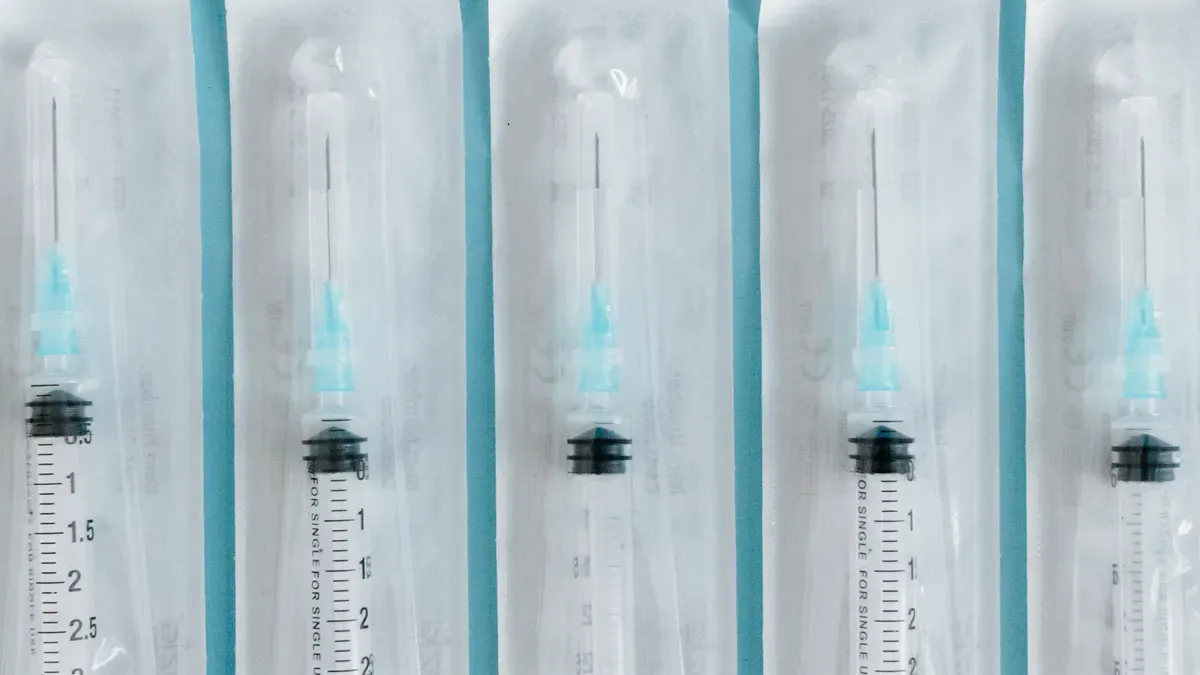
Sterility is very important when using insulin. You must use a 1ml insulin syringe that is wrapped and clean. This stops germs from getting in and keeps each shot safe. Trusted suppliers like Shenzhen Contriu Technology Co., Ltd. give syringes ready to use.
Many makers use EO (Ethylene Oxide) or Gamma radiation to clean syringes. These ways meet high safety rules. They help stop unsafe disposal and lower the risk of needle injuries. Always check that the package is sealed and not damaged. Single-use, wrapped syringes stop germs from spreading and keep insulin safe.
RELI® Safety Insulin Syringes are cleaned with EO or Gamma radiation.
These ways meet high safety rules.
The syringes are made to stop unsafe disposal and lower needle injuries.
Needle Design and Safety
Needle design affects how comfortable and safe injections are. Look for a 1ml insulin syringe with a fine, short needle. This makes shots hurt less and easier to give. Many people like needles like BD Nano™ 2nd Gen or 32G x 4 mm PN. These cause less pain. Shorter needles, like 4 mm, give insulin safely and do not change blood sugar control.
Needle Design
Findings
BD Nano™ 2nd Gen
Makes shots hurt less and improves comfort.
32G x 4 mm PN
Feels less painful, more comfortable, and easier to use.
32G x 6 mm PN
Causes fewer painful shots and less bleeding than bigger needles.
4 mm needle length
Gives insulin safely with no change in blood sugar compared to longer needles.
Safety features in needles help stop accidents. Pick syringes with sealed designs and secure stands. These keep syringes away from kids and stop tampering. Hands-free disposal and overfill protection lower the risk of exposure.
Key Feature
Description
Gravity-sensitive safety tray
Stops hands from touching and hides contents.
Hands-free disposal system
No need to touch, lowers risk of accidents.
Passive overfill protection
Stops sharps from piling up too high, lowers risk.
Secure stands
Keeps containers away from kids, lowers needle stick risk.
Sealed design
No parts can be removed or opened, makes it safer.
Always use a single-use, wrapped 1ml insulin syringe. This keeps shots safe and stops germs from spreading. Trusted brands like Shenzhen Contriu Technology Co., Ltd. offer syringes that meet these standards.
Regulatory Compliance for Insulin Syringes
FDA and International Standards
You must check that each 1ml insulin syringe follows strict rules. The FDA in the United States makes rules for safety and accuracy. For a 1ml syringe, the FDA only allows a small error in how much it holds. This helps you give the right amount of insulin every time.
Syringe Size
Accuracy Tolerance
1ml
±4%
5ml-10ml
±5%
20ml+
±5%
The FDA also says syringes must be easy to track. This means you can follow each syringe from the factory to the user. In Europe, syringes need a CE mark. This mark shows the syringe meets safety rules there. Syringes are called Class IIa medical devices in the EU. These rules help keep you and others safe.
Tip: Always look for FDA approval or a CE mark before buying a lot of insulin syringes.
Supplier Certification and Documentation
You should always ask for proof that your supplier follows world safety rules. Look for syringes made from certified materials. These should be non-toxic, latex-free, and DEHP-free. This keeps people safe and helps you trust the product. Make sure the syringes are EO sterilized and packed in sealed blister packs or PE bags. This keeps each syringe clean and safe while shipping.
To check if a supplier’s papers are real, do these steps:
Check that certificates are up to date.
Make sure the certificate is for the right product and factory.
Use official websites to check certificate numbers.
Match what the supplier says with the real company name.
Add these checks to your buying steps to keep things right.
Note: Good suppliers like Shenzhen Contriu Technology Co., Ltd. give all the right papers and certificates. This helps you avoid problems and keeps insulin use safe.
Insulin Syringe Calibration & Compatibility
Understanding 1ml Calibration
It is important to know how calibration works before using insulin. A 1ml insulin syringe has clear lines to help you measure the right amount. Smaller syringes like 1ml are more exact than bigger ones. This helps you give the right amount of insulin. ISO rules say the syringe can be off by up to 5%. This rule helps you feel sure about your dose.
Smaller syringes are better for small doses.
ISO rules keep mistakes low.
Measuring less than 2.0 units is hard, so look at the lines closely.
Always check the lines on the syringe before you use it. This keeps you safe and helps you not make mistakes.
Insulin Types and Compatibility
You need to use the right syringe for your insulin. Some insulins have different strengths. If you use the wrong syringe, you could get the wrong amount. Always look at the units on the syringe. Do not mix up milliliters and units. This is very important for safe insulin use.
Insulin Type
Common Concentration
Syringe Needed
Regular (U-100)
100 units/mL
1ml U-100 syringe
High-strength (U-500)
500 units/mL
Special U-500 syringe
You should also check the syringe before you use it. Make sure the lines are clear and the plunger moves well. This helps you use insulin safely and not make mistakes.
Avoiding Dosage Errors
You can stop most mistakes by following easy steps. Many errors happen when people do not read the lines right or set the plunger wrong. About 21% of drug mistakes come from using the wrong syringe amount. These mistakes can cause big problems, like high or low blood sugar.
Check the syringe before each use.
Look at the units and lines on the barrel.
Move the plunger to the right spot for your dose.
Never guess—always read the lines.
Strategy/Guideline
Description
Prefilled Syringes
Ask your pharmacy for prefilled syringes for long-acting insulin.
Bold Labels
Use syringes with bold labels to avoid confusion.
Independent Double Check
Have someone else check your dose before you inject insulin.
Ongoing Education
Learn about insulin products and injection technique often.
Tip: Careful checks and good injection habits help you avoid mistakes and keep your diabetes under control.
Insulin Safety Tips for Bulk Use
Safe Handling and Injection Practices
You need to follow simple steps to keep insulin safe. Always put insulin in the fridge. Do not let it get too warm or too cold. Check the date before you use insulin. If the color or texture looks different, do not use it. Throw away used syringes and needles in a sharps container. This keeps your home safe and stops injuries.
Store insulin in the fridge.
Check dates and look for changes in insulin.
Throw away syringes and needles in a sharps container.
Never use the same syringe again. Using it again may seem like it saves money, but it can cause health problems. Always use a new syringe for every shot. Ask your doctor if you are not sure about safe steps. Keep needles capped until you use them. This stops accidents and keeps the needle clean.
Tip: Never share syringes or fingerstick devices. Sharing can spread germs and make insulin unsafe.
Safety features are important. Devices with retractable needles and easy designs help you avoid needle injuries. The OSHA Bloodborne Pathogens Standard says you must use safety medical devices. Look for syringes with these features to protect yourself and others.
Preventing Cross-Contamination
You must stop contamination when using insulin syringes in bulk. Cross-contamination can cause infections and other health problems. Use syringes with auto-disable mechanisms. These stop reuse and lower the risk of spreading germs. Disposable syringes make sure each person gets a clean instrument.
Feature
Benefit
Auto-disable mechanism
Stops reuse after one use, lowers cross-contamination risk.
Disposable nature
Gives each patient a clean instrument, lowers infection risk.
Clinical use
Works for many medical uses, keeps bulk settings safe.
Never clean needles with alcohol or other solutions. Cleaning does not make them safe to use again. Always use a new syringe for every shot. This helps you avoid insulin contamination and keeps diabetes care safe.
Note: Insulin safety at home depends on using new syringes and throwing them away right. Do not share syringes or insulin pens.
Insulin Pen Safety vs. Syringe Safety
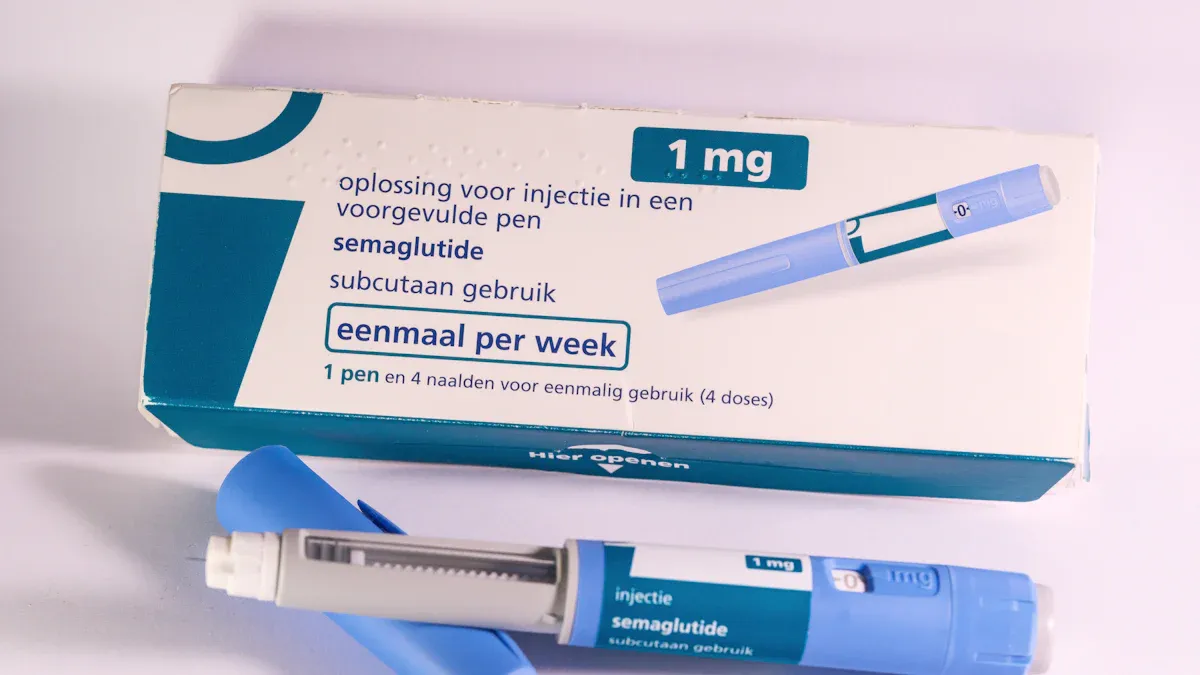
You need to know the differences between insulin pen safety and syringe safety. Insulin pens are made for one person only. Never share insulin pens, even if you change the needle. Sharing pens can cause contamination and spread germs. Syringes also need strict safety steps. Always use a new syringe for every shot and never share it.
Insulin pens are easy to use and help stop dosing mistakes. They have safety features like dose selectors and capped needles. Syringes let you give exact doses but need careful handling. Both ways need you to follow safety rules to protect yourself and others.
Device
Safety Considerations
Best Practices
Insulin pens
One person use, capped needles, dose selector
Never share pens, keep capped, check dose
Syringes
One-time use, clean packaging, retractable needle
Use new syringe each time, throw away right
Callout: You must follow insulin safety tips for both pens and syringes. This keeps you safe and helps you manage diabetes with confidence.
Storage and Shelf-Life of Insulin Syringes
Proper Storage Conditions
You need to keep insulin syringes safe. Store your 1ml insulin syringes in a cool, dry spot. The best temperature is under 30°C. Humidity higher than 75% can hurt the packaging. Pick a place that is not damp. Sunlight can also damage syringes. Put them in a dark place away from UV light. If you keep extra bottles in the fridge, do not let them freeze. Freezing can ruin the syringes and make them unsafe. Do not leave syringes in places that are too hot or too cold. These temperatures can break down the syringe materials and make them less safe.
Tip: Always look at the packaging before you use a syringe. If you see broken seals or damage, do not use that syringe.
Here is a simple guide for storage:
Aspect
Details
Average Shelf-life
3–5 years from the date they were made if stored right.
Recommended Storage
Cool (under 30°C), dry (less than 75% humidity), dark place with no UV light.
Compromised Packaging
Throw away any package with a broken seal, even if it is not expired.
Managing Expiry Dates
You should always check the expiration date on every box. Using syringes after this date is not safe. Use the oldest syringes first and save new ones for later. This helps you use all your syringes before they expire. Store syringes at room temperature if you do not have space in the fridge. Room temperature is fine if you keep them away from heat and water.
Note: Never use a syringe if the package looks damaged, even if it is not expired.
Check your syringes often. Write the expiration date on your boxes. This helps you keep track and not make mistakes. Good storage and checking dates keep your insulin shots safe and reliable.
Safe Disposal of Used Syringes
Disposal Regulations and Guidelines
You must follow rules when throwing away used insulin syringes. The FDA has clear steps for safe sharps disposal. These steps keep you safe at home, work, and while traveling. Never put used syringes in the regular trash. This can hurt people and spread germs.
Here are some key things to remember:
Put used syringes in a strong container right after use.
Do not recap, bend, or break the needle.
Check your local laws for special drop-off sites.
Pharmacies and hospitals often collect used sharps safely.
Tip: Ask your health department about safe syringe disposal programs near you.
Sharps Containers and Environmental Impact
You need to use a sharps container for used syringes. Sharps containers are made from thick plastic and have tight lids. They stop needles from poking through and keep everyone safe. You can buy sharps containers at drugstores or get them from your doctor.
Here is a simple table to help you pick a container:
Container Type
Features
Why Use It?
Sharps container
Thick plastic, tight lid
Best for safety
Heavy detergent bottle
Thick plastic, screw cap
Good backup at home
When the container is full, seal it and follow local rules for disposal. Never put a full sharps container in the recycling bin. This can hurt workers and harm the environment. Safe disposal keeps your community clean and stops needle injuries.
Remember: Using the right containers and safety steps protects you, your family, and the planet.
Common Sourcing Mistakes
When you buy 1ml insulin syringes in bulk, you need to avoid mistakes. These mistakes can make things unsafe and cost more money. Many buyers make the same errors, but you can learn to spot them and stop them.
Overlooking Quality and Certification
Trying to save money by buying cheap syringes can be risky. Bad syringes might let germs in or give the wrong insulin dose. This can hurt people with diabetes. Always look for FDA approval or a CE mark. Check the Notified Body number and contact the testing lab to make sure the certificate is real. Make sure the product matches what is on the certificate. If you skip this, you might get fake or unsafe syringes. This can cause big problems with insulin shots.
Tip: Always ask suppliers to show proof of certification. This helps you stay safe and avoid mistakes.
Ignoring Supplier Reputation
Some buyers forget to check if the supplier is trusted. This can lead to late orders, bad service, or getting the wrong syringes. Read reviews and use scorecards to compare vendors for quality, price, and trust. Do not just look at price or what is easy. A good supplier, like Shenzhen Contriu Technology Co., Ltd., helps you feel sure you will get safe syringes. If you skip this step, you could have problems with your supply or patient safety.
Poor Storage and Disposal Planning
If you do not plan for storage and disposal, you can make mistakes that hurt people and the planet. Keeping syringes in hot, wet, or sunny places can ruin them and cause dosing errors. Not planning for safe disposal can cause needle injuries or spread germs. Always check the expiration date and use the oldest syringes first. Put used syringes in a sharps container right away. These steps help you stop mistakes and keep everyone safe.
Remember: Careful planning and paying attention to details help you stop mistakes and protect people with diabetes.
You should think about quality, safety, and following rules when you buy 1ml insulin syringes in large amounts. Always look at the supplier’s background and make sure the syringes follow all the rules. These tips can help you buy and use insulin syringes the right way:
Pick syringes that have the right certificates.
Look at the package seals and check the expiration date.
Buy from brands you can trust.
Make sure the syringe works with your insulin type.
Teach everyone how to use the syringes.
Keep following safety steps and practice them often.
If you are not sure, ask an expert or a group that makes the rules. Buying the right way helps keep everyone safe.
FAQ
What certifications should you check before buying insulin syringes?
Look for FDA approval, CE marking, and ISO 13485 certification. These show the syringes are safe and good quality. Always ask your supplier to prove they have these.
How do you store 1ml insulin syringes safely?
Keep syringes in a cool, dry spot. Do not let sunlight or water touch them. Check the package for damage before using. Use the oldest ones first.
Can you reuse insulin syringes?
No, never use an insulin syringe more than once. Reusing can spread germs and cause mistakes with your dose. Always pick a new, clean syringe for every shot.
What is the best way to dispose of used syringes?
Put used syringes in a sharps container right after use. Close the container when it is full. Follow your local rules for throwing them away. Never put syringes in the regular trash.
How do you avoid dosage mistakes with 1ml syringes?
Look at the lines on the syringe closely. Check your dose again before you inject. Ask someone to help if you are not sure. Pick syringes with bold, easy-to-read lines.