Home > News > Blog > Who supplies derma rollers for clinic or beauty distributor orders?
share
Who supplies derma rollers for clinic or beauty distributor orders?
Sep 09Source:Intelligent Browse: 92
There are three main types of companies that supply derma rollers. Specialized medical device makers lead the market. Established wholesalers and beauty distributors follow closely. You need to know each type before you order.
The global derma roller market hit USD 332 million in 2024. Analysts expect it to grow to USD 751 million by 2034. This growing market draws many suppliers. So you must choose with care.
Contriu, a maker based in Shenzhen, offers factory-direct prices and custom options. SEAHEART GROUP works as a wholesale distributor with stock on hand. These examples show different ways to buy.
This article helps clinics and beauty distributors check suppliers. You will learn quality standards and how to order. You will make smart buying choices.
Key Takeaways
Learn about the three supplier types: direct manufacturers, wholesalers, and distributors.
Buying directly from manufacturers lets you customize products and get lower prices, but you must order large amounts.
Distributors ship faster and require smaller orders, but they offer fewer options for customization.
Check certifications like FDA, CE, and ISO to make sure they are safe and good quality.
Always ask for samples and compare prices before you place a large order.
Understanding the Three Main Types of Derma Roller Suppliers
Direct Manufacturers: The Source for Customization and Volume
Direct manufacturers sit at the top of the supply chain. They design, produce, and package the devices themselves. You deal with the source when you order from them. This arrangement gives you the most control over your product.
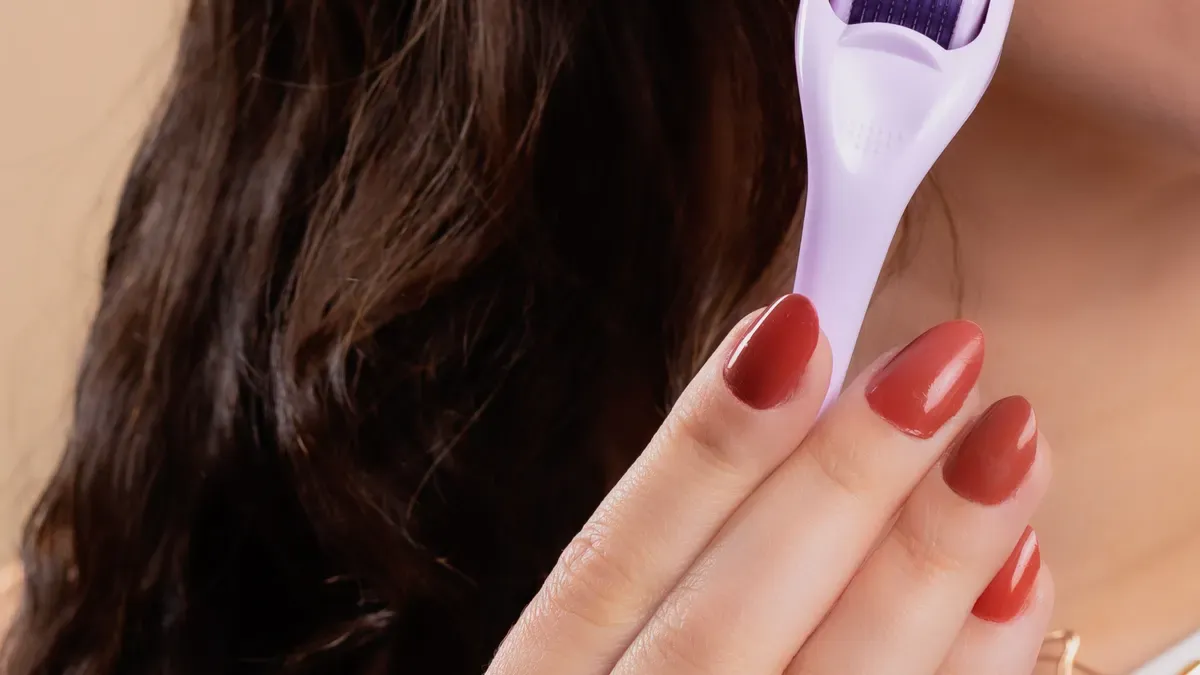
Contriu stands as a prime example of this supplier type. This Shenzhen-based company makes professional-grade derma roller devices. Their product line spans needle lengths from 0.25mm to 2.5mm. You can pick shorter needles for home-use items or longer ones for clinical care. The company builds each device with 540 surgical-grade stainless steel needles.
Factory-direct pricing offers the biggest money benefit. You skip middlemen when you buy straight from the maker. Your cost per unit drops a lot compared to retail or wholesale paths. This price setup matters when you place big orders.
Customization sets manufacturers apart from other suppliers. Contriu clearly lists "OEM/ODM Custom With Scale" in their product specs. OEM services let you put your brand name on current designs. ODM services allow deeper changes to the product itself. You might ask for custom scale marks, specific handle colors, or unique packaging. You can even change needle setups for special treatments.
Manufacturers fit clinics with specific needs. A clinic might need a certain needle length for their signature treatment. They might want their logo printed on every handle. These needs require direct contact with the production team. You get that access when you work with a manufacturer.
Volume needs present one challenge. Factories usually ask for larger minimum order amounts. They need these volumes to make production runs worth it. Smaller clinics might find these limits hard to meet. You must weigh the cost savings against your storage space and cash flow.
Wholesalers and Specialized Distributors: Balancing Cost and Convenience
Wholesalers and distributors sit in the middle. They buy large amounts from many manufacturers. Then they keep these products in warehouses. You buy from their current stock instead of waiting for production.
SEAHEART GROUP shows this distributor model well. They stock many brands and product types. You can compare different derma roller options side by side. Their inventory covers various needle lengths and quality levels. You pick what fits your needs without meeting factory minimums.
Elmask Beauty works in a similar way. They focus on beauty industry supplies. Their catalog includes tools from many makers. You gain from their selection of quality products.
Lower minimum order amounts set distributors apart from factories. You might order just a few dozen units to test the market. This flexibility suits new clinics or small beauty distributors. You avoid locking up money in extra inventory.
Faster shipping is another plus. Distributors ship from current stock. Your order leaves their warehouse within days. Manufacturers might need weeks to make your items. This speed matters when you need products quickly.
Platforms like Tradewheel and Faire link you with checked distributors. These marketplaces confirm supplier credentials. You browse catalogs and compare prices easily. You read reviews from other buyers. This openness lowers your sourcing risk.
The trade-off involves pricing and customization. Distributors add margins to factory prices. You pay more per unit than factory-direct pricing. You also lose customization options. You choose from available stock rather than designing your own product.
Your business model decides the right choice. A clinic testing a new service might like distributor flexibility. A growing beauty brand planning private label products needs manufacturer abilities. Think about your order frequency, volume, and branding goals before deciding.
Key Criteria for Evaluating Derma Roller Supplier Credibility
Verifying Certifications and Regulatory Compliance (FDA, CE, ISO)
Check a supplier's certifications before you order. These papers show the product meets strict safety and quality rules. The table below lists the key certifications for derma rollers.
Certification / Standard
Regulatory Body / Scope
Primary Focus for Derma Rollers
FDA Approval
US Food and Drug Administration
Market approval in the USA, ensuring safety and effectiveness.
CE Marking
European Medicines Agency
Meets EU health, safety, and environmental rules.
ISO 13485
International Organization for Standardization
Quality system for making medical devices.
ISO 14971
International Organization for Standardization
Risk steps to find and reduce dangers.
ISO 10993
International Organization for Standardization
Checks materials are safe with human skin.
ISO 11137
International Organization for Standardization
Confirms sterilization methods work.
CFDA Certification
China Food and Drug Administration
Approval needed to sell in China.
TGA Certification
Therapeutic Goods Administration (Australia)
Approval to sell medical devices in Australia.
FDA rules need extra care for products sold in the US. The FDA groups derma rollers by needle length. Needles longer than 0.3 mm, or adjustable ones, count as Class II or Class III devices. These need premarket clearance (510(k)) or approval (PMA) before sale. Short needles (0.3 mm or less) with medical claims also need clearance. A device with needles of 0.3 mm or less that makes no medical claims and only improves skin look is not under FDA control. The FDA gives this guidance:
This guidance helps industry know when a microneedling product is a device as defined in section 201(h) of the Federal Food, Drug, and Cosmetic Act (FD&C Act), 21 U.S.C. § 321(h), and is, therefore, subject to device rules under the FD&C Act and its rules.
You must also register your facility and list each device with the FDA yearly. Foreign sites must name a US Agent for FDA talks. You must follow Quality System Regulations (QSR/GMP). Class II devices need a 510(k) showing the device is similar to a legal product. Registering and listing alone does not mean the FDA has cleared the device.
Assessing Product Quality, Material Standards, and MOQ Flexibility
Needle material decides safety and performance. Surgical-grade stainless steel gives three main benefits:
Strength and durability let the needle enter tough skin without breaking or bending.
It is the only needle type known as safe for use in a derma roller.
Stainless steel needles are sharper and more sterile than titanium ones.
Needle count changes how the tool works. The table shows two common setups:
Aspect
192 Needles
540 Needles
Pressure Distribution
More exact penetration and spacing
Wider coverage on larger areas
Ideal Use
Exact treatment, steady alignment
Beard growth, scalp care, larger skin areas
Coverage
Less per roll
More skin per roll, faster treatment
Pain/Smoothness
May hurt more
Smoother, less painful experience
The 540-needle design spreads penetration evenly across the skin. It works well for sensitive spots like the scalp or hairline. You get a gentler treatment with less pain.
MOQ flexibility differs by supplier type. Makers like Contriu need larger orders to run production lines. Distributors such as SEAHEART GROUP offer smaller minimums and faster shipping. Ask for samples before a big order. Testing needle sharpness and handle feel confirms the product meets your standards.
Navigating the Bulk Ordering Process for Derma Rollers
Requesting Quotes, Samples, and Understanding Pricing Structures
Start your bulk order by looking into trusted makers. Use B2B sites like Alibaba, Global Sources, and Made-in-China. Look for suppliers with Gold Supplier status, Trade Assurance, and checked business licenses. These signs lower your chance of dealing with unverified sellers.
Reach out to suppliers directly for price quotes. Contriu's sales team, for example, answers at +86 13714206033. You can also contact distributors like SEAHEART GROUP through their sites. Send each supplier the same product details. This way, you can compare prices fairly across different vendors.
Ask for samples before you commit to a big order. Samples show the real quality of the product. Follow this testing process:
Pick a sample that truly represents the whole batch.
Check for bent needles, uneven spacing, or cracks in the handle.
Make sure all needles are evenly sharp and lined up correctly.
Confirm each unit is sealed alone and marked for sterilization.
Roll the device on a test surface to check it moves smoothly.
Write down all findings and tell the supplier about any flaws.
Price structures change based on several things. The table below shows how costs differ between retail and wholesale channels:
Factor
B2C (Retail) Example
B2B (Wholesale) Example
Price per Unit
$19.99 (Titanium Roller)
$0.80 – $1.20 (Titanium Roller)
Order Volume
Single unit
MOQ starting from 1, bulk pricing more favorable
Additional Costs
Included in retail price
Shipping, tariffs, and quality control add to true cost
Intended Use
Individual home use
Resale or professional use in salons/clinics
Material quality, customization, and maker reputation also affect price. Better materials cost more. Custom branding adds extra work. Well-known makers with outside certifications charge more for dependability.
Managing Logistics, Lead Times, and Payment Terms for Bulk Orders
Lead times differ between supplier types. The table below shows typical ranges:
Order Type
Lead Time Range
Standard wholesale orders
10–25 days (depending on customization)
High-capacity suppliers
Under 14 days for standard orders
Makers usually need 2 to 4 weeks for bulk derma roller orders. They use this time for production runs and quality checks. Distributors ship faster because they keep stock in warehouses. Your order leaves their facility within days.
OEM/ODM services make lead times longer. Custom branding, special needle lengths, or unique packaging add extra steps. Plan for more weeks when you ask for customization.
Shipping methods change both cost and speed. Air freight arrives fast but costs more per unit. Sea freight offers lower rates but takes several weeks. Pick based on your urgency and budget.
Payment terms follow standard trade practices. Most suppliers accept T/T (telegraphic transfer) for international orders. Bigger deals may use L/C (letter of credit) for extra safety. Confirm all terms in writing before you pay.
Always add shipping, customs, and quality control costs into your true unit price. The quoted price alone does not show your final expense.
Build a timeline that covers production, shipping, and customs clearance. Order early to avoid running out. A steady supplier partnership keeps your clinic or distribution business stocked.
You face a clear trade-off. Direct manufacturers like Contriu give you control over product design and pricing for your derma roller. Distributors like SEAHEART GROUP offer faster shipping and lower minimum orders. Your business model decides the right choice. A small clinic often needs distributor flexibility. A large beauty distributor benefits more from factory-direct pricing and customization.
Request samples from a shortlist of both supplier types. Test needle sharpness and handle feel firsthand. This step confirms which product meets your standards.
Build a long-term partnership with your chosen supplier. Consistent supply and private label growth depend on trust. A reliable partner supports your business as it scales.
FAQ
What is the typical minimum order quantity for derma rollers?
Manufacturers like Contriu usually need larger order amounts to cover production runs. Distributors such as SEAHEART GROUP offer smaller minimums, sometimes just a few dozen units. Ask each supplier about their current MOQ policy before you plan your budget.
How much do derma roller samples cost?
Most suppliers charge a small fee for samples plus shipping costs. Some manufacturers take the sample cost off your first big order. Distributors often give lower sample prices since they already have stock. Always ask for samples from several suppliers to compare quality before you commit.
Can I get custom branding on derma rollers?
Yes. Manufacturers like Contriu offer OEM for your brand name and ODM for bigger changes. You can add your logo, change handle colors, or adjust packaging. Distributors usually cannot customize because they sell stock from many brands.
How long does international shipping take for bulk orders?
Air freight usually takes 5-10 days for delivery. Sea freight takes 3-6 weeks based on the route. Manufacturers need 2-4 weeks for production before shipping. Distributors ship faster because they have stock on hand. Add customs clearance time to your total delivery timeline.