In high-performance liquid chromatography (HPLC) and ultra-high-performance liquid chromatography (UHPLC) analysis, data integrity is everything. Analytical chemists and laboratory managers spend countless hours optimizing mobile phases, fine-tuning column temperatures, and calibrating detectors to eliminate noise and ghost peaks. Yet, a surprisingly common culprit behind baseline drift, mysterious UV-absorbing contaminants, and sample adsorption often goes overlooked: the standard syringe plunger tip.
Traditional disposable syringes utilize an elastomeric rubber or silicone-coated stopper to create a seal. While functional for general medical use, these rubber components contain plasticizers, vulcanizing agents, and chemical additives that readily leach into organic solvents. For sensitive chromatographic workflows, switching to a dedicated HPLC Laboratory Syringe No Rubber design is no longer just an optional upgrade—it is a critical protocol requirement.
The Chemistry of Contamination: Why Rubber Stoppers Fail in Chromatography
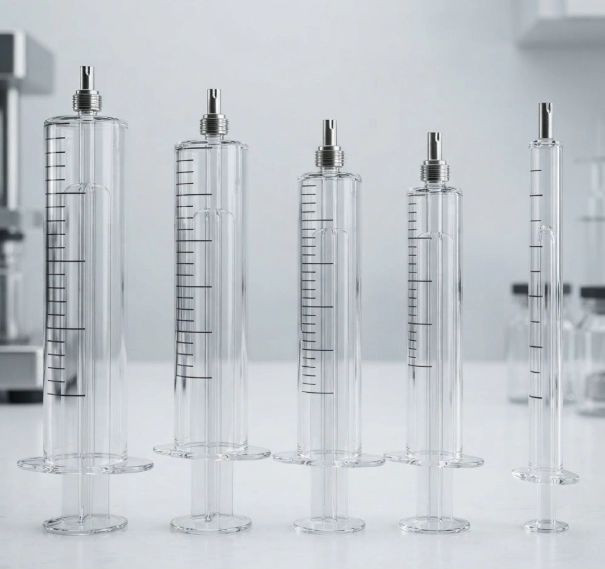
When preparing mobile phases, filtering aggressive organic solvents like acetonitrile, methanol, or tetrahydrofuran (THF), or handling trace-level pharmaceutical extracts, standard syringe plungers interact destructively with chemical reagents. The elastomeric material in conventional 3-piece syringes can shed organic extractables, which are subsequently injected directly into the chromatography column.
These leachable compounds frequently manifest as broad, late-eluting ghost peaks in HPLC-UV or LC-MS chromatograms, severely compromising quantitative accuracy and forcing costly sample re-runs. Furthermore, rubber stoppers can absorb hydrophobic analytes or active pharmaceutical ingredients (APIs), leading to significant sample loss through adsorption. For laboratories operating under strict regulatory frameworks (such as USP, ISO, and GMP compliance), eliminating unknown chemical interference at the sample preparation stage is paramount.
Engineering Excellence: The Advantage of 2-Piece Design and Polymeric Materials
To overcome the inherent flaws of elastomeric seals, advanced analytical equipment manufacturers have engineered specialized liquid handling tools. A premier 1ml -20ml 2-Piece No Rubber Stopper Syringe Suitable for Experimental Sample handling relies on an ingenious engineering approach: eliminating the separate rubber tip entirely.
Instead of a multi-component assembly, a 2-piece syringe consists strictly of a precisely calibrated barrel and a matching polymer plunger. The plunger is precision-molded from inert engineering plastics (such as high-density polyethylene or specialized polyolefins) that form a tight, friction-matched seal against the barrel wall without any chemical additives or lubricants.
● Zero Leaching Risk: Without plasticizers or vulcanization accelerators, the fluid path remains chemically pristine, ensuring absolute baseline stability during gradient elution.
● Smooth Mechanical Glide: Advanced micro-molding tolerances ensure that the plunger moves smoothly without sticking or jumping, allowing precise manual volume delivery down to fractional microliters.
● Broad Chemical Compatibility: The inert polymeric material resists aggressive acids, bases, and polar or non-polar organic solvents commonly used in analytical laboratories.
Integrating Contriu Rubber-Free Syringes into High-Throughput Laboratories
Selecting the right consumable hardware partner defines the reliability of daily analytical testing. The Contriu laboratory syringe lineup has emerged as a trusted industry benchmark for research facilities and independent analytical testing laboratories requiring uncompromising purity. Designed explicitly for demanding chromatographic preparation, the Contriu rubber-free syringe series prevents cross-contamination and protects delicate instrument columns from premature clogging or chemical fouling.
In high-throughput environments—such as environmental testing laboratories, food safety screening units, and pharmaceutical quality control departments—operational efficiency matters. Incorporating Contriu syringes into standard operating procedures (SOPs) drastically reduces troubleshooting downtime caused by unexplained baseline anomalies. Analysts can execute filtration, standard dilution, and auto-sampler vial loading with complete confidence that the syringe material will not alter the chemical composition of the test sample.
Practical Selection Guide Across Volume Ranges (1ml to 20ml)
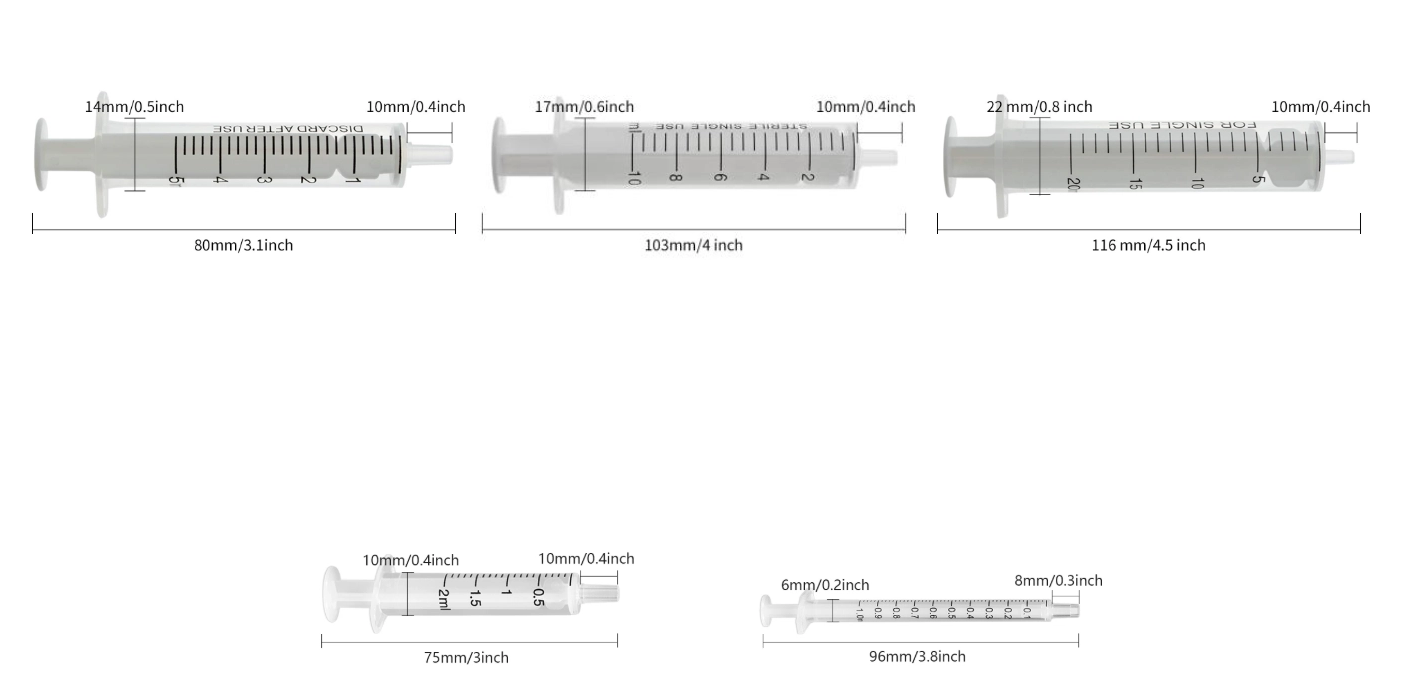
Different laboratory applications demand specific volumetric capacities. Optimizing liquid handling requires selecting the correct size for the task:
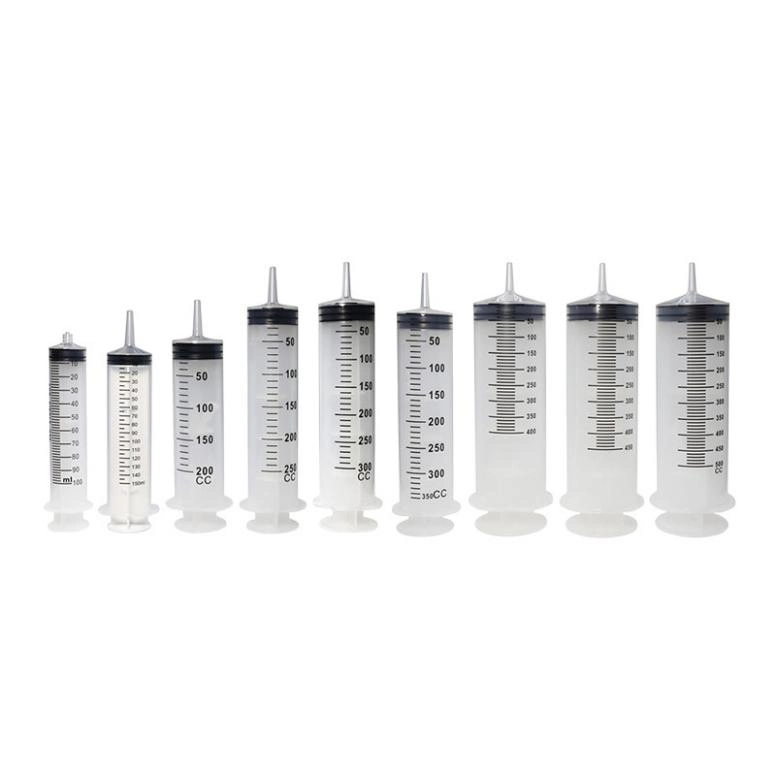
● Low-Volume Precision (1ml to 3ml): Ideal for reconstituting standards, spike recovery studies, and micro-volume filtration prior to passing liquids through 0.22-micron syringe filters.
● Mid-Volume Workflows (5ml to 10ml): Perfect for general mobile phase preparation, standard curve dilutions, and routine sample extraction tasks.
● Bulk Handling (20ml): Designed for larger-volume solvent transfers, cartridge priming, and comprehensive sample extraction protocols where chemical inertness across a wider barrel surface area is vital.
Strategic Conclusion for Laboratory Managers and Chromatography Technicians
Protecting analytical data integrity requires scrutinizing every component in the sample preparation chain, starting right at the point of liquid transfer. By upgrading standard consumable inventories to specialized HPLC Laboratory Syringe No Rubber solutions like those offered by Contriu, laboratories eliminate preventable baseline noise, ensure regulatory compliance, and achieve superior reproducibility across every chromatographic run.