In the world of high-precision micro-dispensing—ranging from semiconductor encapsulation to medical device assembly—the margin for error is non-existent. While much of the industry’s focus remains on the sophistication of the pump or the viscosity of the fluid, the physical interface where the fluid meets the applicator is often the most critical point of failure. This is where Dispensing Valve Connectors transition from simple hardware to essential engineering components.
At Contriu, we recognize that industrial uptime is dictated by the smallest variables. A loose needle or a degrading thread doesn’t just cause a mess; it causes catastrophic downtime and compromised product integrity.
1. The Mechanics of the 1/8 Tooth Sleeve System
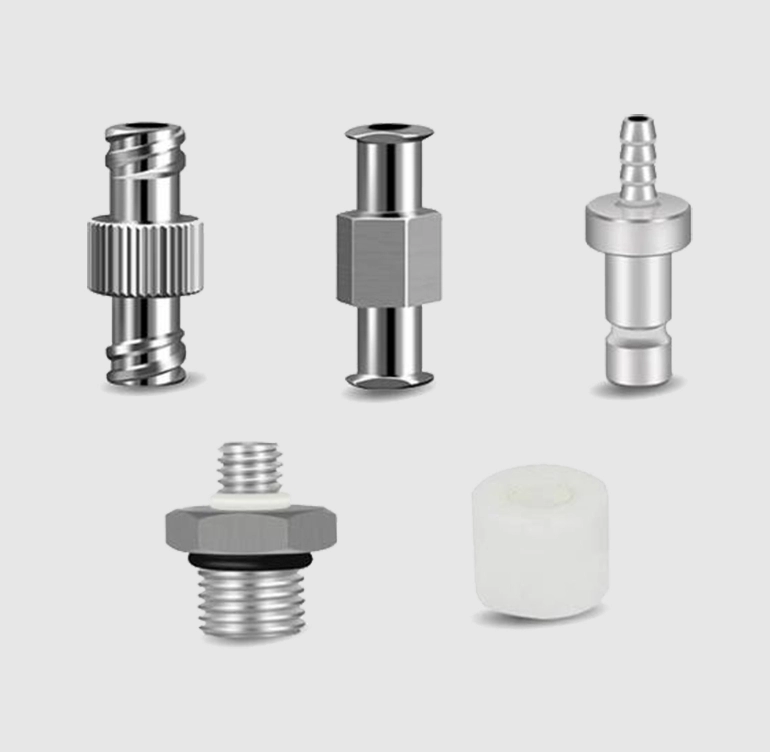
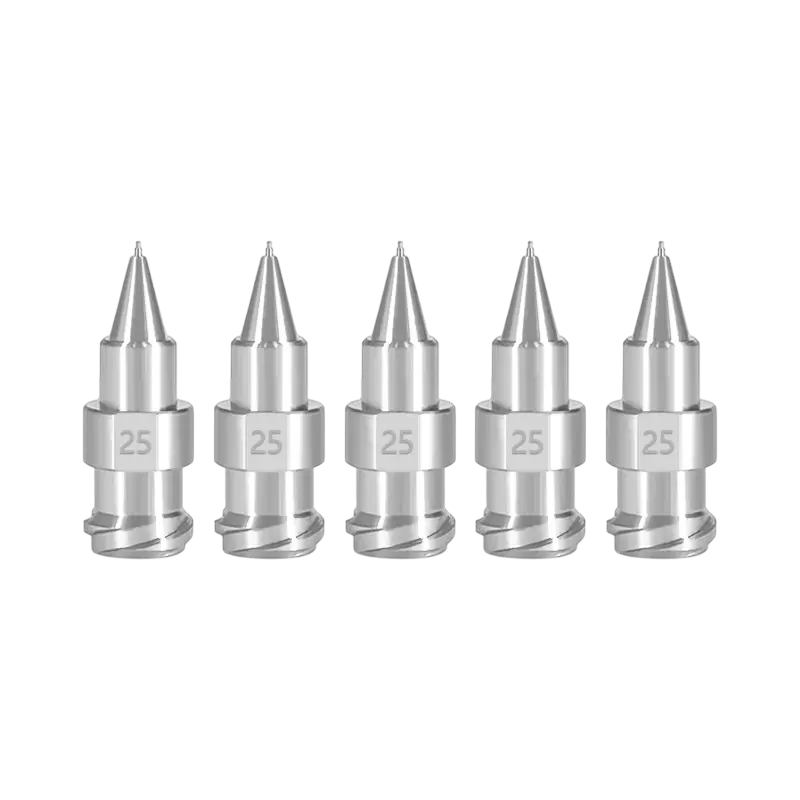
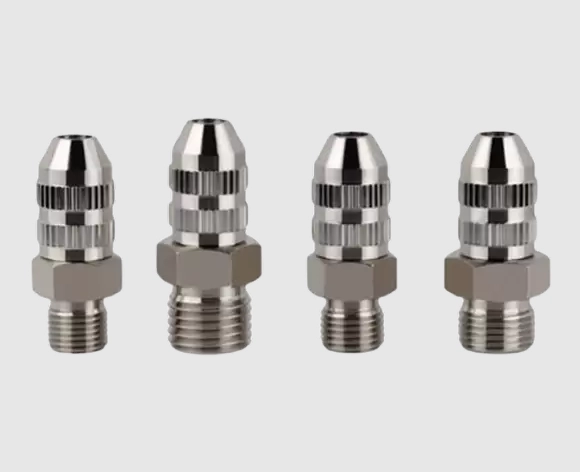
Standard luer-lock systems often struggle under the rhythmic pulsations of high-speed automated dispensing valves. The vibration can lead to "needle creep" or complete detachment. Contriu’s specialized Dispensing Valve Connectors utilize a 1/8 tooth sleeve type external thread architecture.
This specific threading geometry is engineered for a high-torque, low-slip connection. By employing an external thread that interfaces directly with a robust locking nut, the system creates a mechanical "vise" around the needle hub. This design ensures that the needle remains perfectly coaxial under pressure, preventing the lateral deflection that often ruins high-density PCB layouts.
2. Material Science: Why Nickel-Plated Brass Matters
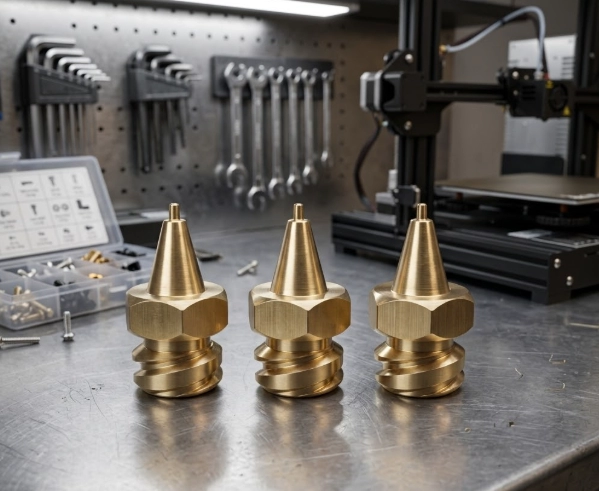
In chemical dispensing, the interaction between the fluid and the connector material can lead to galvanic corrosion or oxidative scaling. Our connectors are fabricated from high-grade Brass with a premium Nickel-Plating.
● Corrosion Resistance: The nickel layer provides a non-reactive barrier against aggressive solvents, flux, and cyanoacrylates.
● Structural Rigidity: Unlike plastic connectors that deform under heat or repetitive stress, brass maintains its dimensional stability, ensuring the internal fluid path remains unobstructed.
● Surface Lubricity: The nickel plating reduces friction during the threading process, allowing for frequent needle changes without stripping the threads, thereby extending the lifecycle of the valve assembly.
3. Securing the Flow: The Role of the Locking Nut
The "Nut-Firm" mechanism is the hallmark of the Contriu dispensing series. In high-pressure applications—such as the dispensing of high-viscosity thermal pastes—the internal back-pressure can exceed several hundred PSI. A standard slip-on connection will fail under these conditions.
The Contriu locking nut applies an axial force that compresses the sleeve against the needle shoulder. This creates a secondary hermetic seal. For engineers, this means:
● Elimination of Air Ingress: Preventing micro-bubbles from entering the fluid stream, which is vital for consistent dot-volume accuracy.
● Safety in High-Pressure Cycles: Protecting operators and machinery from accidental needle "blow-offs."
4. Integration into Industry 4.0 Workflows
Modern manufacturing demands components that support rapid changeovers and "lights-out" manufacturing. The ergonomic design of our Dispensing Valve Connectors allows for rapid manual replacement without specialized tooling, yet provides the industrial-grade security required for 24/7 robotic arms.
When you integrate Contriu connectors into your dispensing stack, you are investing in a component that has been stress-tested for the rigors of modern electronics, aerospace, and pharmaceutical production lines. Our focus remains on the intersection of fluid dynamics and mechanical reliability, ensuring that every drop dispensed is as precise as the first.