Home > News > Blog > How do I choose the right bend angle for a pre-bent needle?
share
How do I choose the right bend angle for a pre-bent needle?
Jul 09Source:Intelligent Browse: 114
Choosing the right bend angle for a pre-bent needle depends on the dental procedure. It also depends on the patient’s unique anatomy. The dentist’s goals are important too. Product details, like those in Contriu’s pre-bent designs, help a lot. Dentists use their experience to pick the best needle tip for each case. The best choice comes from knowing the technical facts and what is needed for each use.
Key Takeaways
Pick the bend angle by looking at the dental job and the patient’s mouth shape. A 45° angle works well for most jobs. A 90° angle is better for small or tight spots.
Always have both 45° and 90° pre-bent needles ready. This helps you switch quickly during work. It gives you better reach and control.
Think about the gauge of the needle. Smaller gauges can go into small spaces. Bigger gauges let fluids move faster.
Use a Luer Lock system with most dental syringes. This keeps the needle in place and stops it from coming off.
Always follow safety rules when throwing away needles. This stops infections and keeps everyone safe.
Pre-bent Needle Specifications
Materials and Design
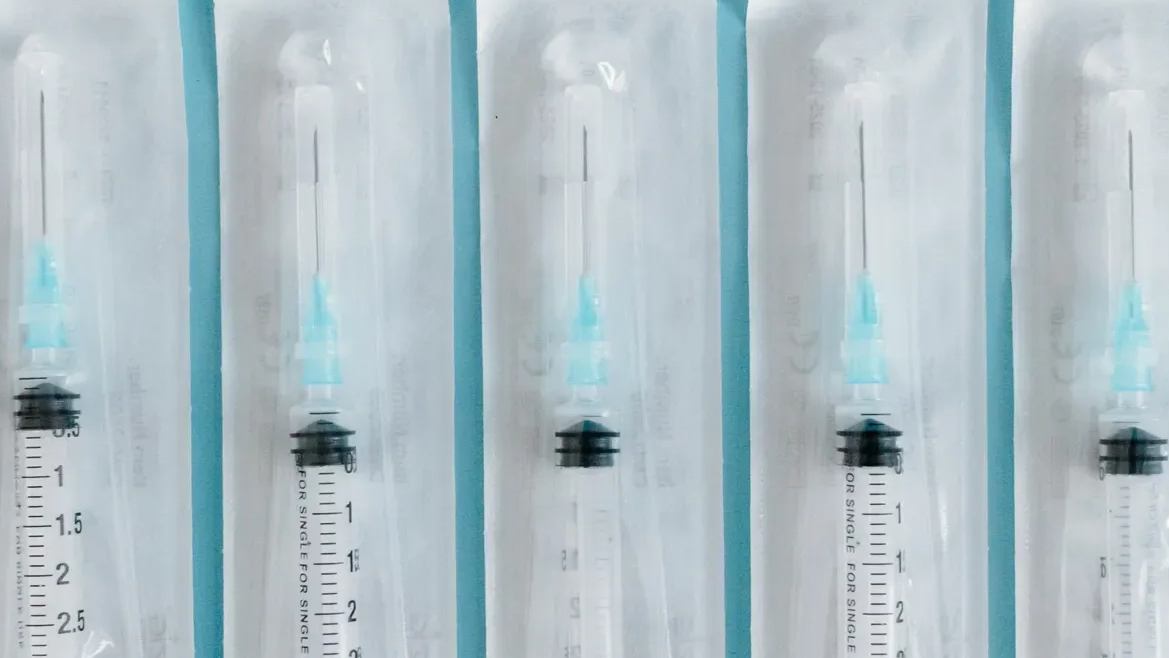
Contriu’s pre-bent needle has a shaft made of stainless steel. This makes the needle strong and stops it from bending. The seat is made from polypropylene. This keeps the needle tight and stops leaks. The needle comes in two angles, 45° and 90°. These angles help with different dental needs. Each needle has a blunt end. This makes it safe for dental irrigation and other careful uses. Dentists use these needles one time and throw them away. This helps stop infection and keeps work fast. Rules say each needle must be sterile and packed alone. After using it, staff put the needle in a tough container. This keeps everyone safe.
Gauge, Color, and Size Options
Dentists can pick many sizes, from 14G to 32G. The gauge changes how fluids move and how deep the needle goes. For example:
Smaller-gauge needles, like 30-gauge, fit into tight spaces and clean root canals well.
Larger-gauge needles move fluids faster when needed.
The color helps staff find the right size quickly.
The tip shape changes how fluids flow and how much pressure builds up. This keeps patients safe and helps get good results.
Luer Lock and Compatibility
Contriu’s pre-bent needle has a Luer Lock system. This makes the needle fit tightly with most dental syringes. Dentists can use it with many tools. The Luer Lock stops the needle from coming loose. Most clinics use Luer-Lock Endo Irrigation Syringes. These work with all luer style needles and hubs. This makes the pre-bent needle a good choice for many dental jobs.
Factors for Bend Angle Choice
Procedure Type and Application
Dentists pick the bend angle by looking at the dental procedure. Some treatments need a straight path to the spot. Other times, the needle must go around something in the mouth. For root canal irrigation, dentists use a prebent needle tip. This helps get the solution deep into the canal. A 45° angle is good for most irrigation jobs. A 90° angle is better for reaching behind teeth or into tight spaces. The right angle helps dentists work safely and accurately. Dentists choose the bend that fits the job best.
Access and Patient Anatomy
Every patient’s mouth is different. Some people have small mouths or teeth close together. Dentists need to pick a pre-bent needle that fits the patient’s mouth. A 45° angle lets dentists reach most places easily. A 90° angle is useful for hard-to-reach spots. Dentists look at the mouth before choosing the needle. They want to make sure the needle can get to the right spot without hurting the patient. Good access helps the dentist do a better job and keeps the patient safe.
Tip: Dentists keep both 45° and 90° pre-bent needles nearby. This way, they can switch angles fast if they need to during a procedure.
Operator Preference
Dentists learn what they like as they get more practice. Some like how a 45° angle feels in their hand. Others like the reach of a 90° angle. The choice depends on what feels best and works with their style. Dentists might try different angles to see which one fits their hand movements. They also think about the syringe and how they hold the needle. What the dentist likes is important when picking the right pre-bent angle. The goal is to make each treatment easy and successful.
Common Bend Angles for Prebent Needle Tip
45° vs 90° Angles
Dentists often use two main bend angles for a pre-bent needle: 45° and 90°. These angles help dentists reach different parts of the mouth. Each angle has its own benefits.
A 45° angle gives dentists better control when they need to reach most areas in the mouth. This angle works well for general irrigation and cleaning. It allows the dentist to move the needle smoothly and see what they are doing.
A 90° angle helps dentists reach behind teeth or into tight spaces. This angle is useful when the dentist needs to work around corners or get to hard-to-reach spots. It makes it easier to clean areas that a straight needle cannot reach.
Dentists choose between these angles based on the task. Both angles improve access to difficult areas in the mouth. They also help dentists work more safely and accurately.
Note: Dentists often keep both 45° and 90° prebent needle tips ready. This helps them switch quickly if they need a different angle during a procedure.
Matching Angle to Clinical Scenario
The right angle depends on the clinical situation. Dentists look at the area they need to treat and pick the angle that fits best. The table below shows how each angle matches common dental tasks:
Clinical Scenario
Recommended Angle
Reason
General irrigation
45°
Good control and easy access
Cleaning behind molars
90°
Reaches tight or hidden spaces
Root canal irrigation
45° or 90°
Depends on canal shape and access
Working around crowded teeth
90°
Navigates around obstacles
Dentists use their experience to decide which prebent needle tip to use. They may try both angles to see which one works best for the patient’s mouth. Using the right angle helps make the procedure safer and more effective. The pre-bent needle design gives dentists the flexibility they need for many dental procedures.
Practical Tips and Testing
Assessing Clinical Needs
Dentists first look at the patient’s mouth and the procedure. They check if the area is easy to reach or has tight spots. They also think about the tooth’s size and shape. The dentist decides if a pre-bent needle or a lengthened prebent needle tip is better. They match the needle to the job. Some procedures need a short needle, while others need a longer one. Dentists also think about how much control they need. They pick the right prebent needle tips to keep the work safe and effective.
Trial and Validation
Dentists try different needle angles before starting a new procedure. They may use a table to compare choices:
Step
What Dentists Do
Plan with imaging
Use CT scans to find the best spot for needle insertion
Choose angle and distance
Pick the right bend and how far the needle will go
Test in practice
Try the needle insertion on models or in training
Adjust as needed
Change the angle or needle if it does not fit well
Some clinics use computer tools to help pick the best needle angle. These tools can make needle-based medical procedures safer and faster. Dentists also share feedback with companies to improve needle designs. For example, some companies made a lengthened prebent needle tip after hearing from dentists.
Safety and Infection Control
Dentists follow strict rules to keep everyone safe during needle insertion. They use these steps:
Put used needles in a strong container right away.
Never bend or break a needle before throwing it away.
Use a one-handed scoop or a tool to recap needles if needed.
Treat all sharp items as if they could cause infection.
Keep containers for used needles close to where they work.
These steps help stop injuries and keep germs from spreading. Dentists always check that the pre-bent needle is clean and safe before each needle insertion. They make sure to use the right needle for every patient and every procedure.
Robotic Needle Steering and Future Trends
Technology in Needle Placement
Robotic needle steering is changing how dentists and doctors work. This technology helps guide needles through tricky paths in the body. Dentists use robotic needle steering to reach hard-to-get spots. The system can move a needle around sensitive places, making things safer.
Many new tools help with needle placement. Some of these are:
Cone-Beam Computed Tomography (CBCT) gives 3D pictures. Dentists can see bone and nerve spots more clearly.
Digital imaging helps plan treatments and shows patients what will happen.
Computer-guided surgery makes things more accurate. It lowers the chance of mistakes when working in the body.
The Wand anesthesia system gives local anesthesia very carefully. This makes shots safer and less painful.
Robotic needle steering works with these tools to get better results. It helps dentists avoid nerves and blood vessels. This means fewer problems and better healing.
Innovations in Pre-bent Needle Design
Robotic needle steering also brings new ideas for pre-bent needles. These needles now have features that give more control. Some new things include:
Robotic control lets dentists steer needles to exact spots.
Curved, pre-bent needles can move like straight ones but reach deeper or around corners.
Shape memory alloy wires let the needle tip change shape. This helps the needle fit different areas.
These new ideas make it easier to reach tough spots. Dentists can now treat places that were hard to get to before. Robotic needle steering means dentists do not have to control the needle by hand as much. This lets them focus more on helping the patient.
Note: As robotic needle steering and pre-bent needle designs get better, dentists will see even safer and more exact procedures in the future.
Dentists pick the bend angle by looking at product details, what the patient needs, and what feels good to them. They check the needle specs. They look at the patient’s mouth. They think about the procedure. What the dentist likes matters too.
Product specs help dentists choose.
Clinical needs show which angle to use.
Operator comfort makes work easier.
Dentists keep learning about new tools like robotic needle steering. Learning new things helps them give safer and better care.
FAQ
What is a pre-bent needle used for in dentistry?
Dentists use a pre-bent needle to get to hard-to-reach spots in the mouth. The bend lets them clean, rinse, or put materials exactly where needed. This tool helps make dental work safer and better for patients.
How does the bend angle affect dental procedures?
The bend angle changes how dentists reach different places in the mouth. A 45° angle works for most jobs. A 90° angle is good for small or hidden spaces. Picking the right angle gives dentists more control and keeps things safe.
Can a pre-bent needle fit all syringes?
Most pre-bent needles, like Contriu’s, have a Luer Lock system. This means they fit many regular dental syringes. Dentists can change needles quickly during dental work.
Why do dentists choose different gauges for pre-bent needles?
Dentists pick the gauge based on what they need to do. A smaller gauge fits into tiny spaces. A bigger gauge lets fluids move faster. The right size helps dentists work well and keep patients safe.
How do dentists keep patients safe when using pre-bent needles?
Dentists use clean, single-use needles for each patient. They throw away used needles in special containers. These steps stop germs from spreading and prevent injuries. Dentists always check the needle before using it.