Home > News > Blog > What is a TT dispensing needle used for?
share
What is a TT dispensing needle used for?
Sep 11Source:Intelligent Browse: 74
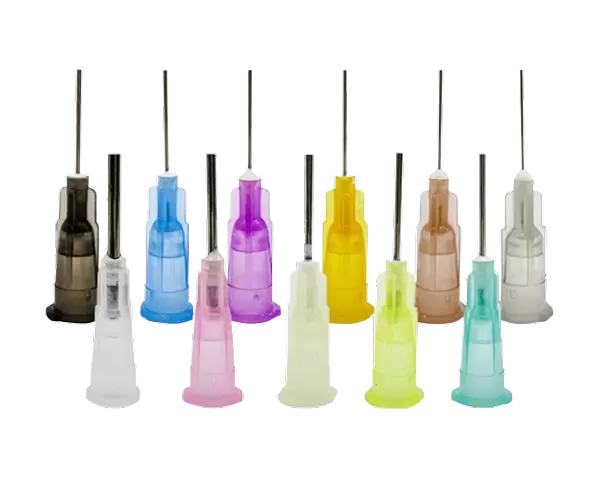
A TT dispensing needle is a blunt, tapered plastic Luer lock tip. It is used for precise industrial dispensing of fluids like adhesives, sealants, and coatings. This needle is not sterile and not for medical use. You will find it in electronics, medical device assembly, automotive, and general manufacturing. It has a stainless steel tube and a polypropylene seat. Its funnel-shaped design ensures smooth fluid flow. The double spiral design prevents leaks during repeated use. It comes in many gauges, from 10G to 30G, each color-coded for easy identification. You can choose the right size for your fluid viscosity. This guide explores its specific uses across these fields.
Key Takeaways
The TT dispensing needle puts fluids exactly where they are needed in electronics, medical, and automotive work.
Its blunt tip and Luer lock give you a tight, leak-free connection that you can use again and again.
Color-coded gauge sizes make it easy to match the needle to thin or thick fluids.
This needle works with syringes and automated systems to dispense smoothly and evenly.
To stop clogs, pick a fine gauge for thin liquids and a thick gauge for pastes.
TT dispensing needle in electronics manufacturing
Applying solder paste and adhesives
You can spot the TT dispensing needle on lots of electronics assembly lines. It lets you put solder paste and adhesives down with really good control. A normal syringe hooks up to the Luer lock base. The double spiral design keeps that connection snug. This helps stop the solution from leaking when you use it again and again. You can refill and reuse the same syringe many times without any mess.
Picking the gauge is important for this job. Medium-thickness materials, like solder paste and epoxy, move best through 18G to 22G tips. A finer gauge gives you a smaller dot. A thicker gauge puts down a wider bead. The adhesive dispensing needle also works great for underfill and surface-mount bonding. Every tip has its own color code, so you can grab the right size quickly. This easy system saves time on a busy line.
Dispensing conformal coatings
Conformal coatings shield circuit boards from moisture, dust, and chemicals. You need a thin, even layer to cover everything. The TT dispensing needle gives you that control. Its funnel-shaped tip keeps the fluid flowing smoothly. You can lay down a precise line or a small dot without any splatter. This precision counts when you coat sensitive parts.
The stainless steel tube and polypropylene seat stand up to the solvents in many coatings. That resistance keeps the needle steady over long production runs. You can team the tip with a syringe and put the coating exactly where you need it. A 20G or 22G tip often fits medium-thickness coatings. Thinner coatings might need a finer gauge. Putting coating into tight spaces gets easy with the right tip. This method cuts down on waste and rework. The needle also helps you skip masking nearby parts. You get a clean, repeatable result every time.
TT dispensing needle in medical device assembly
Bonding components with medical-grade adhesives
Putting medical devices together requires great care. Even a tiny mistake in glue placement can make a device unsafe. The TT dispensing needle gives you the control this important work needs. These needles are only for industrial assembly. They never touch patients. You use them to bond catheters, sensors, and other parts with medical-grade adhesives.
The polypropylene seat and stainless steel tube stand up to the chemicals in cyanoacrylates and epoxy. This resistance keeps your adhesive dispensing needle steady over long runs. A secure Luer lock connection stops contamination during bonding. The Luer lock syringe cap design turns open needle ports into contamination-free zones. A triple-seal universal fit creates leak-proof seals on Luer slip and lock interfaces. This design is validated at less than 0.001 µL/min leakage. You get flawless, repeatable micro-dispensing every time.
Gauge selection matters here. Gauges from 15G to 25G handle both thick paste and thin fluid application. A 15G tip works well for thicker epoxies. A 25G tip gives you fine control for thin cyanoacrylates. Each gauge has a color code. This system helps you grab the right needle quickly. The double spiral design keeps the connection tight during repeated use. You avoid messy leaks and wasted material.
Sealing device enclosures with silicone
Silicone seals protect sensitive electronics inside medical device enclosures. You need a smooth, even bead of silicone to make a proper barrier. The TT dispensing needle gives you that consistency. Its funnel-shaped tip keeps fluid flowing smoothly. You can lay down a precise line without gaps or splatter.
The stainless steel tube stands up to the chemicals in silicone sealants. This strength keeps your dispensing steady across thousands of units. You can pair the needle with a syringe for manual application. Or you can use it with automated dispensing systems. A 20G or 22G tip often fits medium-viscosity silicone. Thinner silicones might need a finer gauge. The right tip stops air bubbles and uneven seals. This precision cuts rework and keeps your production line moving.
TT dispensing needle and syringe in automotive assembly
Applying sealants for weatherproofing
Weatherproofing is a key step in building cars. You seal doors, windows, and electrical boxes from water and dirt. The TT dispensing needle gives you the control you need. Its funnel tip lets thick materials flow smoothly. You lay down a bead with no breaks or gaps. Each precise shot of sealant makes a reliable barrier.
The threaded Luer lock makes a strong link between the needle and the syringe. It stays tight through many fill and use cycles. The double spiral design stops liquid from leaking. Color codes on each gauge help workers pick the right tip. A 14G or 15G tip works well for thick silicone sealants. A finer gauge like 20G works for thinner sealants. Good sealant dispensing stops water and rust.
You can use the syringe by hand for prototypes. You can also put it into automatic systems for big jobs. Hand use gives you control on short runs. Automatic use keeps speed on long runs.
Precision lubrication of moving parts
Moving parts in cars need exact grease. You put grease and oil on hinges, slides, and bearings with a syringe. This needle puts the lube right where you want it. You avoid too much grease that draws dirt. You also avoid too little that causes wear. This TT dispensing needle works for glues and lubes.
The funnel tip keeps thick grease moving well. The Luer lock holds the tip tight on the syringe during many uses. You can refill the same syringe many times without trouble. A 10G or 11G needle works for heavy grease. An 18G or 20G needle works for light oils. Each tip has a color code. Grease placement becomes exact with the right gauge. This method cuts waste.
This exact placement saves material and cuts waste. You put just the right amount of lube on each part. The plastic seat and steel tube resist wear from many uses. You get steady results on every shift. The process stays clean and works well. You fill the syringe between shifts.
The auto industry uses this needle for liquid gaskets and thread lockers too. The blunt tip works well for these jobs. You avoid cuts from sharp needles. You also avoid clogs from dried material. The taper lets fluid flow easily. You finish each job quicker. This syringe and method meet your production needs.
TT dispensing needle for general industrial dispensing
Precision fluid application in manufacturing
General manufacturing deals with a wide mix of fluids and materials. One day you might use thin solvents, and the next day thick pastes. The TT dispensing needle from Contriu works well with both types. The full gauge range goes from 10G to 30G. Every size has a color code so you can spot it fast on the floor. Contriu packs these needles in boxes of 1000 pieces. That supply keeps your line going without having to reorder all the time.
The funnel-shaped channel inside lowers flow resistance and turbulence. This design gives you smooth fluid flow for precise dispensing. The angled needle shape improves directional control. You can reach tight or angled spaces easily. The double spiral connection system makes a secure, leak-proof seal. This feature stops pressure loss or disconnection during automated runs. The stainless steel tube fights corrosion and keeps its strength. The polypropylene seat offers chemical stability against harsh fluids.
A fine gauge like 27G works well for low-viscosity fluids. You get tiny, accurate dots for thin adhesives or solvents. A thick gauge like 10G handles high-viscosity pastes without clogging. This range covers solder paste, epoxy, grease, and silica gel. The improved geometry cuts clogging and maintenance. You get less downtime and better production flow. Automated dispensing robots use these tips for steady, repeatable results.
Adhesive bonding for product assembly
Product assembly often needs a precise bead of adhesive. Too much glue makes a mess and wastes material. Too little glue causes weak bonds and failures. The TT adhesive dispensing needle fixes both problems. You attach it to a standard syringe with a Luer lock base. The double spiral design keeps the connection tight through repeated fill cycles. You can refill the same syringe many times without leaks.
The wide fluid compatibility keeps flow uniform and stops clogging. You can switch between epoxy, silicone, and cyanoacrylate without changing your setup. Each gauge has a color code. Workers grab the right needle fast. A 14G tip works for thick sealants. A 25G tip gives you fine control for thin adhesives. This flexibility suits both manual and automated assembly.
The stainless steel tube and polypropylene seat resist chemicals in harsh adhesives. This durability keeps your adhesive dispensing needle steady over long production runs. You avoid messy leaks and wasted material. The precise placement cuts rework and speeds up your assembly process. For a reliable solution in general manufacturing, match the gauge to your fluid viscosity. This simple step ensures optimal performance every time.
The TT dispensing needle is a tool that helps you place fluids exactly where you want them. You can use it in electronics, medical device assembly, automotive work, and general manufacturing. Its blunt tip, Luer lock, and tapered shape give you control. Different gauges let you pick the right size. Just remember, this tool is only for industrial use with a syringe. You connect the needle to a syringe for each dispensing job. A fine needle works well for thin fluids in your syringe. A thick gauge handles pastes when you dispense silicone. The right gauge makes sure you get the best results with every syringe. Picking the correct syringe is easy. This setup gives you steady dispensing for adhesives, sealants, and coatings. You get dependable dispensing results every time.
FAQ
What is the difference between a TT dispensing needle and a standard metal needle?
A TT dispensing needle has a blunt, tapered tip. A standard metal needle has a sharp point. This needle works for precise fluid placement. It does not cut surfaces. The Luer lock connects to your syringe. You use it for industrial dispensing.
How do you choose the right gauge for a TT dispensing needle?
The TT dispensing needle fits many syringe types. Select the gauge by viscosity. Thick paste needs 10G. Thin fluid needs 27G. The color code helps you choose quickly. You get the right flow for your material.
Can you reuse a TT dispensing needle?
Yes, you can reuse the TT dispensing needle. Clean it after each use. The steel tube lasts through many cycles. The polypropylene seat resists chemicals. This needle works with your syringe. You get repeatable dispensing. Match the gauge to your fluid.
Why is the TT needle not safe for medical use?
The TT needle is not sterile. It does not meet medical safety rules. Use it only for industrial dispensing. Do not use it with a medical syringe. The materials can cause infection.
What makes the TT dispensing needle suitable for automated systems?
The double spiral design stops leaks. The Luer lock secures the connection. The blunt tip gives consistent flow. This dispensing needle works with many syringes. You get reliable placement every time.