Home > News > Blog > What are common problems caused by poor-quality dispensing fittings?
share
What are common problems caused by poor-quality dispensing fittings?
Sep 10Source:Intelligent Browse: 88
Bad dispensing fittings cause leaks, uneven flow, clogs, early wear, contamination, and safety dangers. These problems waste time, money, and material quality. This article explains each problem, what causes it, and what happens because of it.
A bad tip on your dispenser causes a material flow problem. The tip clogs, the material drips, and your material costs go up. Each tip failure stops your dispensing line. A worn tip ruins your material batch. Your dispenser needs a tip you can trust. A good tip stops material waste. The right tip keeps material flowing. Every tip matters for flow accuracy. A poor tip leads to material defects in your system.
Key Takeaways
Cheap fittings leak, clog, and wear out fast, wasting your time and money.
Good fittings keep the flow steady, stop contamination, and keep your product safe.
Regular checks and maintenance find fitting problems early and avoid downtime.
Switch to top-quality fittings to keep your equipment safe, protect your team, and save your profits.
Leaks and Inconsistent Dispensing
Unreliable Fluid Control
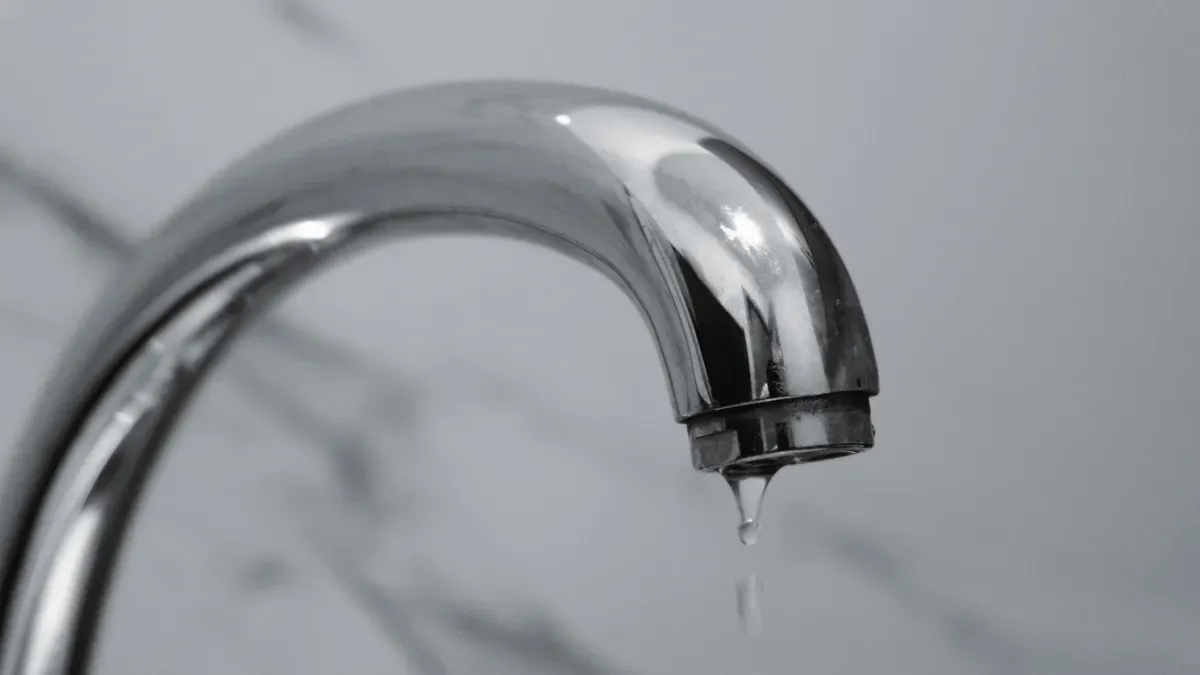
Leaks and uneven output are the first problems you notice when a dispensing fitting is poor quality. A bad connection lets material escape where the parts join. Then your dispenser puts out the wrong amount. The flow drops, surges, or stops with no warning. These signs all point to one main cause: a fitting that cannot hold a seal.
A quality fitting keeps fluid control steady. A low-grade part breaks down under pressure. You see drips at the tip, weak beads, and air bubbles in the line. Each of these signs points to a tip selection issue or a worn connector. The dispenser cannot make up for a bad seal. Your material ends up on the floor instead of on the part.
Causes and Effects
Several causes lead to this problem. Wrong thread identification is at the top of the list. A mismatched connection standard, like mixing Luer lock and Luer slip, causes partial engagement and poor sealing. Damaged sealing surfaces also leak. Hub material compatibility matters too. A hub that reacts with your fluid breaks down the seal over time. Improper tightening, cross-threading, and overtightening all damage threads. Thread sealants can stop proper tightening when you apply them wrong. Extreme heat or cold weakens seal integrity as well.
Thread galling makes this problem worse. Galling is adhesive wear. Two metal surfaces slide under load, and friction tears metal from one surface and cold-welds it to the other. This scoring damages threads and causes seizing. Stainless steel and tapered threads suffer most. Brass, bronze, and hardened steel resist galling better. You can prevent it with specialty seal tapes, anti-seize lubricants, and slow tightening.
The effects cost you real money. Material leakage wastes fluid. Product defects force rework. Water damage ruins equipment. System performance drops across the line. Picture a facility running low-grade fittings on an adhesive line. Daily drips contaminate finished parts, and the whole batch fails inspection.
Contriu's dispensing fittings solve this. Syringe connectors and air hose fittings with M5, M6, and M8 threads are engineered for secure, leak-free connections. They protect your flow and your product.
Clogging and Premature Wear in Dispensing Fittings
Poor-quality fittings are not made with the precision needed for steady material flow. This lack of precision leads to clogging and early wear. Clogging is a main problem you see in low-grade parts. A low-grade tip also adds to clogging. Clogging wastes your material and shuts down your production. The signs of clogging show up fast. Tip problems turn into a nonstop headache.
Blockages and Interrupted Production
Clogging begins inside the fitting channel. The way poor-quality fittings are made uses poor plasticization of the raw material. Low barrel temperature during molding makes rough inner surfaces. Too high an injection rate leaves inner stresses and flash. These flaws trap residue. The trapped residue speeds up clogging. Flow degradation starts with this trapped residue.
Now your dispenser stops delivering material the right way. One blockage ruins the whole batch. The physical signs of clogging become clear. You see weak beads. You see skipped deposits. The flow stops all the way. Part of fixing a dispenser means checking it on a schedule. You must look for blockages in the dispensing fitting. Production lines with substandard fittings stop every few hours to clear clogging. This cuts output. You cannot keep steady production when clogging stops every cycle.
Early Failure and Replacement Costs
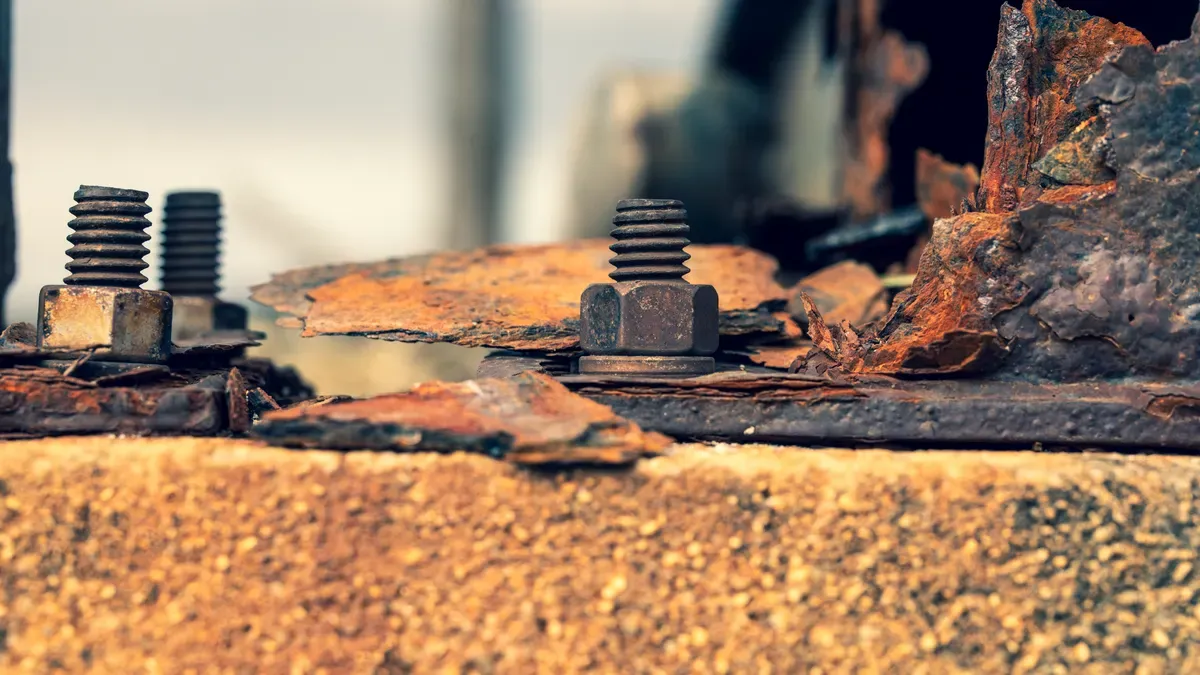
Clogging leads right to early wear. The material inside a clogged fitting puts on extra back pressure. This pressure strains the fitting walls. Substandard fittings break under this stress. Corrosion makes the breakdown worse. Chemical compatibility matters. A dispensing fitting not matched to the material breaks down fast.
Tip failures raise your costs. You replace tips more often. Each clogging event harms the tip surface. The breakdown of the tip speeds up. Flow degradation cycles repeat. You buy more fittings. You spend more time on maintenance. Regular preventive maintenance catches early signs of wear. Check for breakdown of the tip and the flow channel. Compatibility testing stops corrosion issues. But the main problem stays if the fitting starts with poor precision.
Contriu's tracheal transfer needles and quick gas line connectors fix this problem. They are built for smooth material flow and long life. You cut down clogging events. You make tip life longer. Your dispenser runs longer without stopping. The dispensing process stays steady. You spend less on replacements. A reliable dispensing fitting protects your production line.
Contamination Risks and Residue Problems
Compromised Product Integrity
Contamination and residue are sneaky problems. You might not notice them right away. A low-quality dispensing fitting lets dirt get into your material. The trouble often starts with raw material that is already dirty. Residue stuck inside poorly sealed fittings makes it worse. Not cleaning the fitting properly adds to the issue. Fittings with tight corners and rough surfaces trap residue. You cannot wash it out.
Signs of the problem show up in your finished product. You get defects. Your material becomes weak and brittle. The seal fails. The whole system loses its strength. In sensitive uses, health risks can appear. A tip that does not work with your fluid breaks down and sheds tiny particles. This contaminates your whole batch. Testing for compatibility catches this early. You need to pick a tip that matches your material.
Impact on Automatic Soap Dispensers
Automatic soap dispensers show these problems clearly. Low-quality fittings in automatic soap dispensers build up residue. This residue blocks the nozzle. The blockage stops the flow. Then the automatic soap dispensers push out dirty soap. You have to clean the sensor and nozzle often. You must clean the sensor area to stop residue buildup. But without a real fix, the problem comes back fast.
When you troubleshoot automatic soap dispensers, start with the fitting. A bad dispensing fitting causes most clogs. The residue keeps plugging the tip. The dispenser cannot push material through. The dispenser stops working. The dispenser needs a fitting that resists residue.
Contriu's lockable 2-part tooth air fittings and tracheal extension fittings with female heads lower the risk of residue and contamination. They form a tight seal. They resist clogging. They keep your flow clean.
The Safety Problem for Operators and Equipment
Risks to Personnel
Safety hazards are the biggest problem with poor-quality dispensing fittings. A weak fitting can fail without warning. When a fitting breaks under pressure, it sprays fluid into the air. Leaks of dangerous fluids expose you to chemicals. Weak or wrong fittings damage equipment and make things worse. These failures put people in real danger.
Signs that a fitting is failing often show up too late. You might see a small drip or hear a hiss before the fitting bursts. A low-quality fitting breaks under pressure. The material inside leaks out fast. Your skin, eyes, and lungs are in danger. Chemical exposure can cause burns or long-term health problems. You need a dispensing fitting that holds up under stress.
Equipment Damage and Downtime
A fitting burst does more than harm people. It stops your whole line. Think about a fitting that bursts under pressure. Solvent sprays onto an operator. The line stops for hours. You lose production time and pay for expensive repairs. The dispenser sits idle. Your team waits. The material flow stops completely.
Fittings that don't match your fluid cause corrosion and breakdown faster. A fitting that doesn't match your fluid breaks down from the inside. The tip wears out faster. The dispenser doesn't work as well. You replace parts more often and spend more on maintenance. Contriu's fittings meet high quality and performance standards for medical and industrial use. They reduce safety risks, protect your operators, and keep your dispensing line running. Choose fittings that keep everyone safe.
Poor-quality dispensing fittings cause six connected problems: leaks, uneven dispensing, clogging, early wear, contamination, and safety hazards. One main cause drives them all. A bad tip leaks material. A bad tip clogs. A bad tip wears out fast. A bad tip lets dirt into your material. A bad tip sprays material at your operator. A worn tip ruins your material batch. Your dispenser cannot fix a bad tip. Your material pays the price. You waste material. You rework material. You scrap material. A quality tip from Contriu stops these problems. Contriu's dispensing fitting line protects your dispenser, your material, and your team. Replace every bad tip. Trust a tip built for your material. Upgrade your setup today.
FAQ
How do you spot a failing dispensing fitting?
Look for drips, weak beads, skipped deposits, or air bubbles. Those symptoms tell you your tip is worn or the seal is bad. A poor seal creates the problem of inconsistent flow. Replace the tip before your dispenser stops working.
How does a bad tip affect your dispenser's output?
A bad tip causes uneven material flow. It drips, clogs, or wears out fast. Each failure ruins your material batch. This damage also delivers the wrong volume. This creates a costly problem for your dispenser. Always match your tip to your material.
What causes clogging in a dispensing fitting?
Clogging starts inside the channel. Rough inner surfaces on a low-quality dispensing fitting trap residue. Residue builds up and blocks the tip. This blockage stops the flow completely. Use a precision-made tip to keep your material flowing smooth.
How do you troubleshoot a leaking fitting?
Check the thread match first. Look for damaged sealing surfaces. Tighten the fitting correctly. Replace the tip if you see wear. These steps stop the leak and protect your dispenser from damage. Regular checks catch symptoms early.
Why does fitting quality matter for your dispensing setup?
A quality fitting delivers a steady, leak-free seal. It resists clogging and wear. Your tip lasts longer. Your dispenser runs without stops. You save time, material, and money. A high-quality tip from a trusted brand protects your entire line.