Home > News > Blog > What should buyers look at before ordering luer slip syringes with needle?
share
What should buyers look at before ordering luer slip syringes with needle?
Oct 20Source:Intelligent Browse: 1
Four things decide a good order: technical specifications, application fit, regulatory compliance, and cost. If you get any one of them wrong, the shipment leads to waste, returns, or compliance risk.
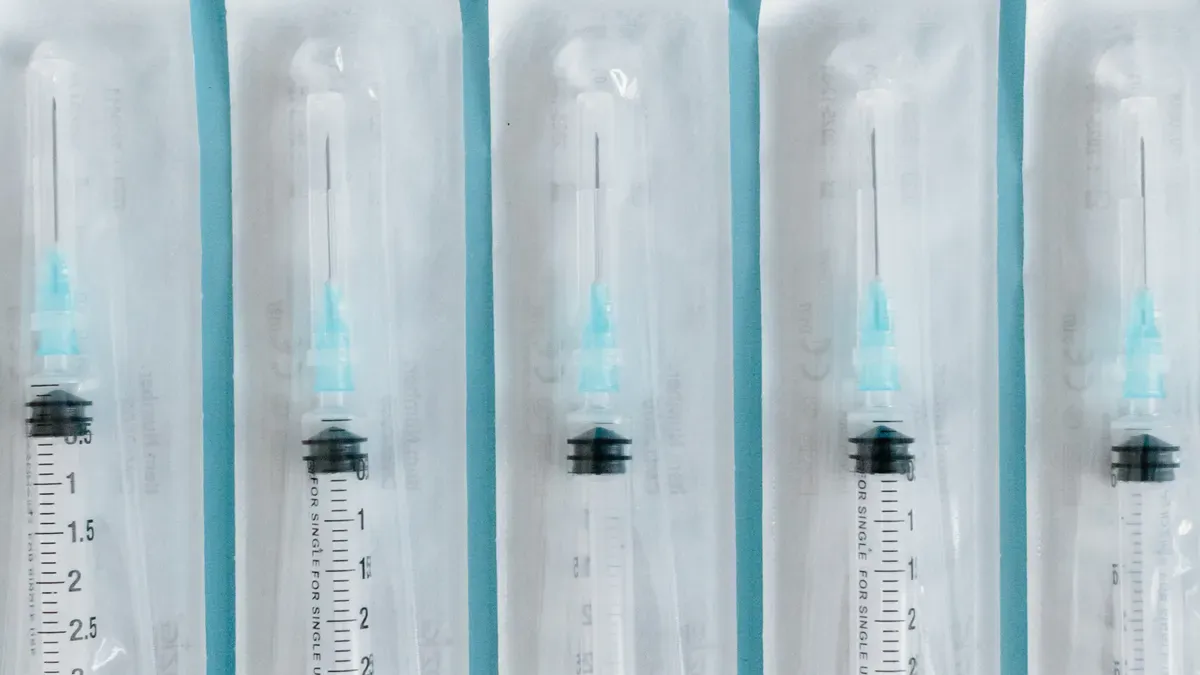
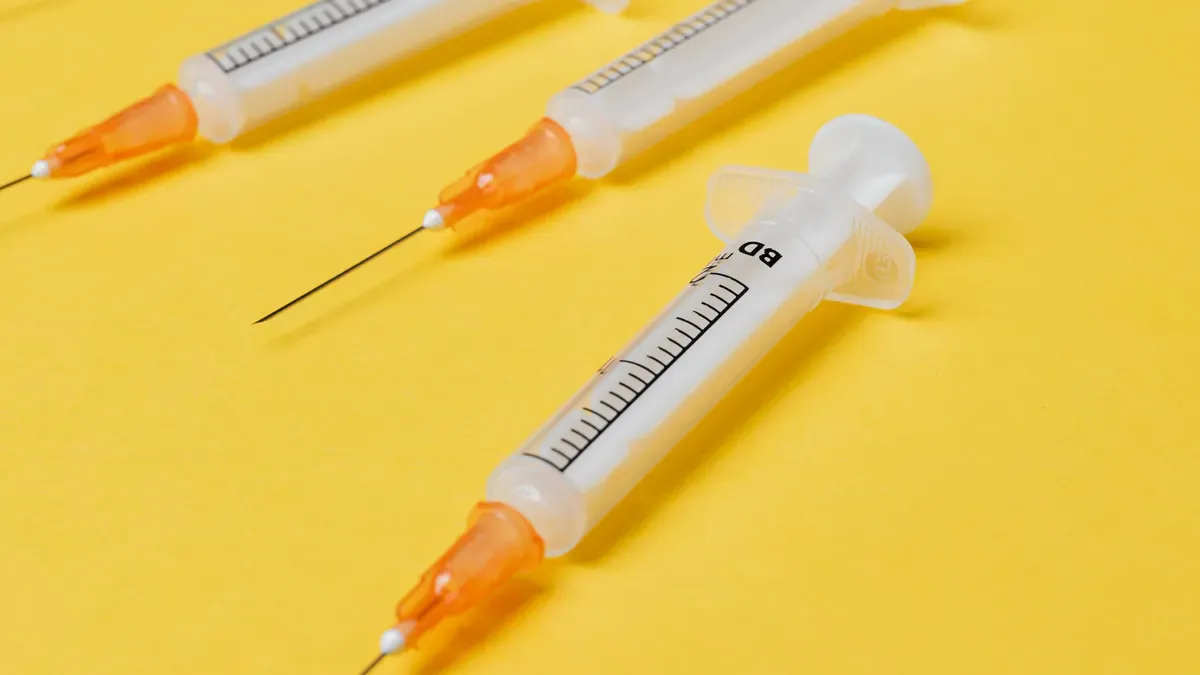
A luer slip syringe has a smooth, tapered tip. The needle hub slides on and holds by friction alone. There is no locking collar, so the connection depends on a firm push. This simple design makes the luer slip syringe quick to load and easy to handle.
You will see each factor broken down into a practical pre-order checklist. Use it to compare luer-slip syringes, confirm your needle choice, and ask suppliers questions with confidence. A little planning now protects every order of luer slip syringes with needle you place later.
Key Takeaways
Check the syringe size, needle gauge, and needle length. Make sure they match your dose and how you will inject.
Try a sample first to make sure the needle stays tight and the plunger moves smoothly.
Check the certificates and sterilization records for your market before you order.
Compare the total cost for each unit you can actually use. Include waste and compliance risk, not just the price.
Use a written checklist to compare suppliers. This helps you avoid returns or delays.
Technical Specs for Luer Slip Syringes With Needle
Syringe Size, Gauge, and Needle Length
Begin with the numbers that set up your order. The Contriu Luer Slip Syringe With Needle shows the range a normal catalog offers: sizes from 1ml to 60ml, needle sizes from 18G to 30G if you want them, and lengths from 1/2 inch to 2 inches. That range lets one supplier serve several departments.
Your injection route decides the needle gauge and needle length. Gauge works backwards: a higher number means a thinner needle, and thick medicines need a lower-gauge, wider needle.
Injection Route
Recommended Gauge
Recommended Length
Intradermal
26–30 G
3/8 inch
Subcutaneous
23–25 G (also 26–30 G for insulin or minimal tissue damage)
1/2 inch to 5/8 inch
Intramuscular
22–25 G
1 inch (deltoid) to 1.5 inch and above (larger muscle groups)
A syringe with a 30G, 1/2 inch needle works well for fine, comfort-sensitive work. A 21G, 1.5 inch needle reaches deep muscle. Check whether needles come in the pack or are sold separately, and decide if the needle is fixed or detachable for your workflow. A fixed needle or a detachable needle changes storage, waste, and handling, so settle this early.
Capacity, Markings, and Sterility
Syringe capacity and clear unit markings decide dosing accuracy. Published tolerance data shows syringes of 5 mL and above hold about ±4% accuracy when you deliver at least 50% of nominal volume. Smaller syringes run near ±5%. Accuracy drops sharply below half capacity: at 10% of nominal volume, error reaches ±16%. Pick a barrel size, gauge, and needle length that keep your usual dose well above the halfway mark.
Check the label and syringe markings before you commit. Clear markings matter most on small barrels, where graduations sit close together. Ask for samples and test graduation visibility and plunger performance yourself.
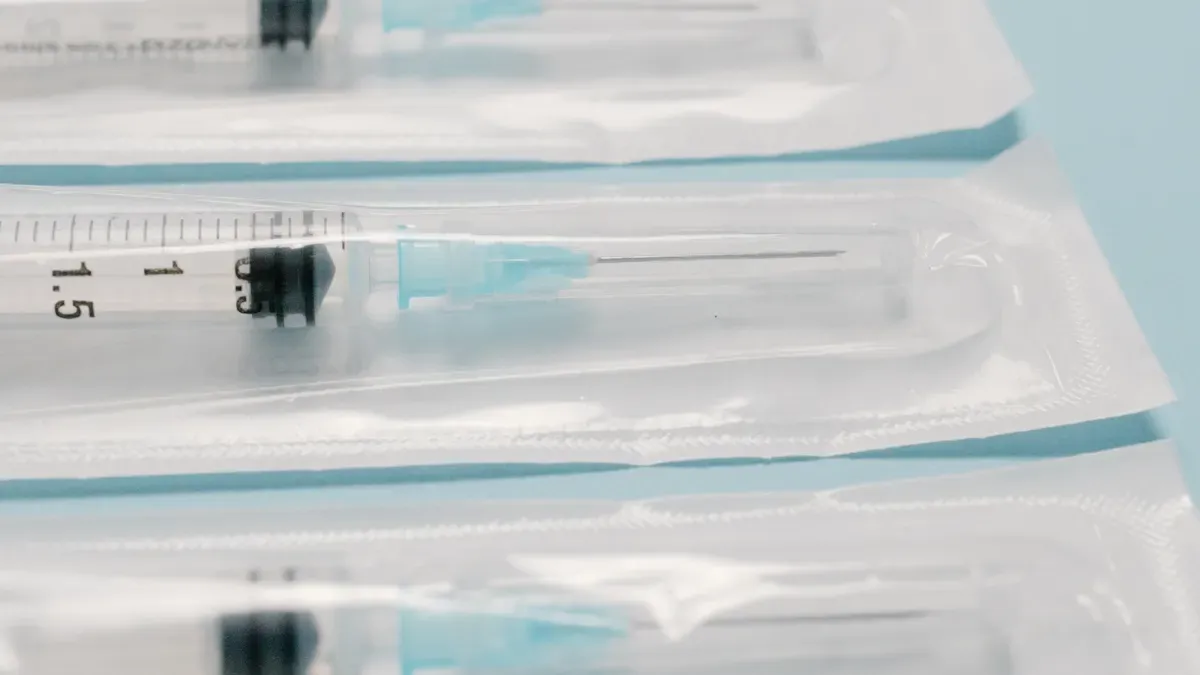
Each Contriu unit arrives individually packed and sterilized with EO gas. Transparent or white color options help you see contents clearly. Confirm that seals arrive intact and that ml markings stay legible after unpacking.
Shenzhen Contriu Technology Co., Ltd. accepts OEM/ODM orders as a customization path. Standard catalog options already cover most needs, so treat customization as a fit decision, not a default.
Application Fit for the Luer Slip Syringe
Tip Fit and Needle Attachment Security
The luer slip syringe holds its needle by friction alone. The needle hub slides onto a smooth spigot with a 6% conical taper, and the fit follows ISO 80369-7 to prevent fluid bypass. No threaded collar locks the parts together. Push the needle on tightly with a twisting motion, and the friction seal does the rest.
Cleanliness decides whether that seal holds. Oil or grease on the luer tip breaks the friction grip, so confirm clean packaging and careful handling before use. A contaminated tip lets the needle work loose at the worst moment.
Know the pressure limit of the design. The friction seal can fail when hydraulic pressure exceeds 150 kPa. That number matters when you push a thick fluid through a narrow needle.
Luer slip and luer lock each fit different jobs. Luer slip allows quick needle changes and suits basic tasks such as routine injections and sample collection. A luer lock connection may fit better for critical or high-force applications, where a threaded collar resists detachment. Match the connection to the task, not to habit.
Use-Case Matching and Sample Testing
Test before you commit to a bulk order. Request samples of the luer slip syringes with needle you plan to buy, then run a structured check. The table below lists the criteria worth measuring.
Evaluation Aspect
Recommended Criterion
Plunger performance
Smooth movement from precise internal mold tolerances, without synthetic silicone lubrication
Graduation visibility
Clear markings resistant to abrasion and chemical degradation
Leakage performance
Zero liquid leakage past the plunger rib under vacuum pressure of -88 kPa for 60 seconds (ISO 7886-1 Annex B)
Luer slip tip dimensions
Precise 6% conical taper compliant with ISO 80369-7
Needle attachment security
Friction-based seal via the 6% tapered male fitting
Work through the checks in order. First, confirm connection security of the luer slip fitting. Second, assess plunger performance for smooth movement. Third, verify graduation visibility. Fourth, check needle compatibility. Fifth, inspect packaging quality for the intended application.
Follow the manufacturer's instructions and appropriate testing procedures. Do not improvise clinical testing on your own.
Sample testing answers the questions a spec sheet cannot. Does the needle stay put under your working pressure? Do the unit markings stay legible after handling? Does the plunger glide without sticking? A short trial on luer slip syringes settles these points before money changes hands.
Confirm that the needle connection matches your chosen needle gauge and needle length. Check whether the needle is fixed or detachable, since that choice shapes storage and waste. Verify that the needle attached to each unit sits square and tight. A compatible connection protects both the dose and the user.
Regulatory Compliance and Quality Checks
Certifications and Standards
Compliance begins with the certificates your target market requires. Check for examples like FDA clearance for the United States, CE marking for the European Union, and ISO standards for quality and device safety. Requirements differ by market, so confirm the exact list with your regulatory team before ordering. A certificate that works in one country may not work in another.
Ask for the certificate scope, not just the logo. Make sure the certificate covers the specific product you plan to buy. A company-level certificate like ISO 13485 shows a working quality system. It does not prove that each product meets every requirement. Ask for product-specific test evidence along with it.
Documentation and Quality Verification
Make a document request part of your supplier conversation. Ask for these items before you place a bulk order:
A product specification sheet that states product code, configuration, dimensions, materials, connector type, sterilization method, and packaging details.
Test reports that cover applicable product standards, material documentation, and sterilization validation records.
Quality management documentation, including certifications, manufacturing-site information, inspection procedures, and traceability systems.
Regulatory documentation for your market, such as registration, declarations of conformity, and import or export paperwork.
Batch and lot traceability records with lot numbers, manufacturing dates, expiry information, and recall traceability.
Sterilization records deserve a close look. Each unit should arrive individually packed and EO-sterilized, with seals intact. Inspect a carton when it arrives and confirm that no seal is broken. A damaged seal weakens sterility, even when the paperwork looks complete.
Finally, match the needle to the documentation. Confirm that the needle size and length on the spec sheet match your order. Keep the lot records on file, so you can trace any unit back to its batch if a question comes up later.
Cost and Ordering Logistics
Total Cost of Ownership
The unit price is just the first part of your cost picture. Add waste, returns, and compliance risk from a poor fit. A cheap syringe that leaks or drops its needle costs much more than the invoice shows. You pay again for replacement stock, repacking, and staff time.
Think about cost per usable unit. A syringe with unclear markings or a loose needle connection raises your discard rate. That rate multiplies across every case you open. Compliance gaps carry their own price too. Missing documentation can hold up a shipment at customs or force a recall. Weigh the full picture before you compare quotes on price alone.
Order Quantity, Packaging, and Lead Times
Match order quantity to real consumption. Overstock ties up cash and risks expiry. Understock forces emergency buys at premium prices. Confirm the individual packaging format too. Each unit should arrive sealed and EO-sterilized, so check that the pack style suits your storage and dispensing routine.
Lead times vary with volume, packing format, and customization. Standard catalog items usually ship on a shorter timeline. OEM/ODM customization from Shenzhen Contriu Technology Co., Ltd. may add steps such as artwork approval and specification sign-off. Ask for a written timeline that covers production, sterilization, and transit. Build a buffer into your first order.
Settle the details that affect both cost and schedule. Confirm the syringe capacity you need across the 1ml to 60ml range. Lock in the gauge and needle length so the quote matches your clinical use. State the length of needle you want in writing. A clear purchase order prevents costly revisions later.
Start with technical specs. Confirm capacity, gauge, and length against your dose and injection route. Next, check application fit. Test a luer-slip syringe sample for tip security and plunger glide. Then verify compliance. Request certificates, sterilization records, and lot traceability for your market. Finish with cost. Weigh unit price against waste, returns, and compliance risk.
Write these four areas into a checklist before you request quotes. A written list keeps every supplier answer comparable. Review each luer slip syringe against it, and confirm the needle matches your order.
A careful pre-order review of luer slip syringes with needle prevents returns, waste, and compliance risk.
FAQ
How do I choose the right needle gauge and needle length?
Match both to your injection route. A higher gauge means a thinner needle. Deeper routes need a longer needle. Check the 18G to 30G range and the 1/2 inch to 2 inch lengths against your dose and site.
How do I keep the needle secure on a luer slip syringe?
Push the hub onto the smooth tip with a twisting motion. Friction holds it in place. Keep the tip free of oil or grease. Remember the seal can fail above 150 kPa, so use a luer lock for high-force work.
Why should I test samples before a bulk order?
Samples show what a spec sheet cannot. Check that the needle stays tight under your working pressure. Confirm the plunger glides smoothly. Verify that the graduations stay legible. A short trial settles these points before you commit money.
What sterility and documentation checks matter most?
Confirm each unit arrives individually packed and EO-sterilized with intact seals. Request sterilization records, lot traceability, and declarations of conformity. Verify that certificates like FDA, CE, and ISO cover the exact product you plan to buy.
Does needle gauge affect the pressure limit?
Yes. A thinner needle raises resistance when you push thick fluid. Higher pressure strains the friction fit. Choose a wider gauge for viscous medicines, and keep your working pressure below the 150 kPa limit of the luer slip connection.