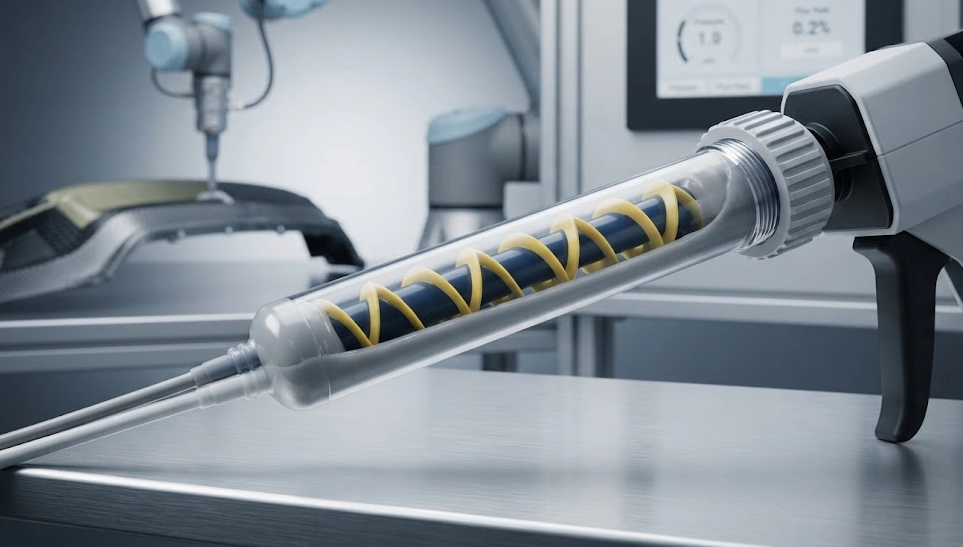
In precision assembly, even a small variation in adhesive application can affect product quality. Excess glue may spread beyond the bonding area, while insufficient glue can lead to weak bonding or assembly failure. For manufacturers using automated dispensing equipment, these problems can increase material waste, slow production, and create additional inspection work.
Choosing the right ASM Type Precision Needle can help address some of these challenges, but the decision should start with the customer's application rather than the needle alone. Adhesive viscosity, required deposit size, equipment compatibility, and production speed all influence which specification is suitable.
1. Start with the Dispensing Problem, Not Just the Needle Size
When glue dispensing becomes inconsistent, changing the needle diameter is not always the complete solution. The actual cause may involve adhesive properties, pressure settings, dispensing time, or the connection between the needle and the equipment.
Before selecting an ASM Type Precision Needle, identify the main production requirement.
● Small, controlled deposits: Applications involving limited bonding areas require a needle that supports the target deposit without excessive spreading.
● Stable flow during repeated cycles: Automated production needs consistent dispensing conditions to reduce variation between workpieces.
● Reduced material waste: Accurate application can help prevent excess adhesive and unnecessary cleaning.
● Reliable equipment installation: The needle must fit the dispensing system correctly to avoid leakage, loose connections, or installation delays.
Defining the problem first helps purchasing teams and engineers select a needle based on measurable requirements rather than appearance or price alone.
2. How Needle Diameter Affects Adhesive Flow
Needle diameter is a key consideration when working with adhesives of different viscosities. A narrow internal passage generally creates greater flow resistance, while a larger bore may allow more material to pass under comparable conditions.
However, a smaller opening does not automatically provide better dispensing accuracy. If the passage is unsuitable for the adhesive, it may contribute to slow flow, intermittent dispensing, or blockage.
When comparing an ASM Type Precision Needle for industrial glue dispensing, consider three factors.
● Adhesive viscosity: High-viscosity adhesives may require a larger internal diameter or different dispensing conditions than low-viscosity fluids. Test the selected needle with the actual material.
● Required deposit size: The needle should suit the target application area and the volume delivered during each dispensing cycle.
● Particle content: Adhesives containing fillers or particles require additional attention to passage size and blockage risk.
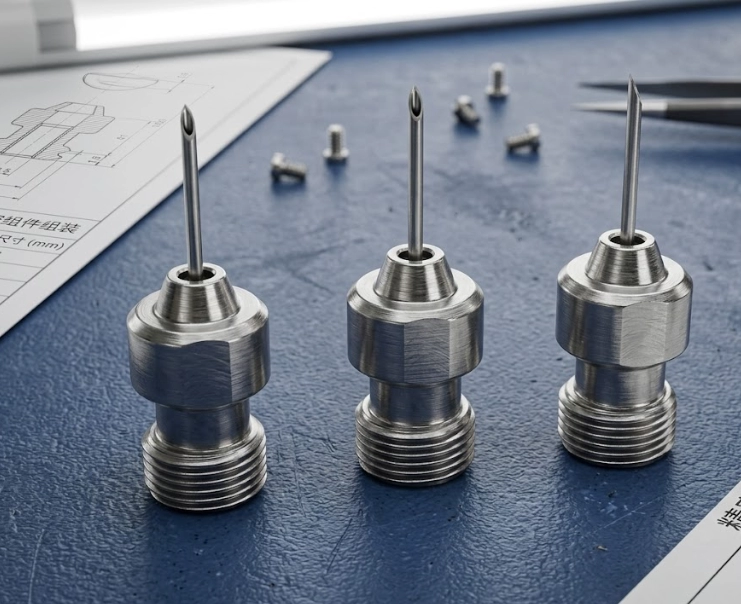
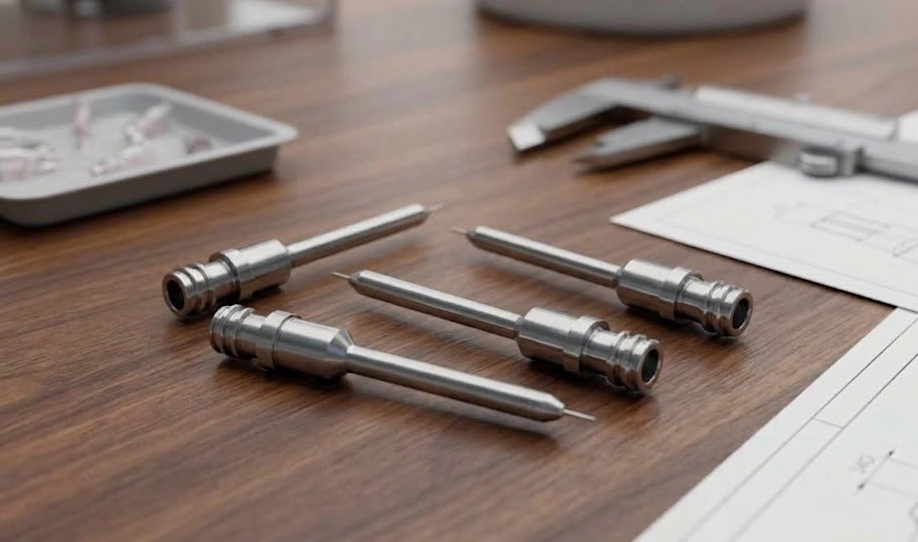
Contriu lists ASM Type Precision Needle options with outer diameters from 0.50 mm to 0.90 mm and corresponding inner diameters specified on its product page. Buyers should compare the available dimensions with their adhesive characteristics and production requirements before choosing a configuration.
3. Check Equipment Compatibility Before Ordering
A needle with suitable dimensions can still cause problems if its connection does not match the dispensing equipment.
Differences in thread specifications, connection dimensions, and installation length may prevent a component from fitting the intended assembly. For manufacturers operating automated production lines, these mismatches can lead to installation delays and additional procurement costs.
Before ordering an ASM Type Precision Needle with a dual-thread connection, confirm:
● The dispensing equipment brand and model.
● The required thread type and connection dimensions.
● The available installation space and needle length.
● The operating conditions and any relevant equipment limitations.
Contriu describes its ASM Type Precision Needle as featuring an integrated LED dual-thread design. If the LED function is important to your application, request confirmation of its purpose, electrical requirements, and equipment compatibility. Do not assume that the feature provides a particular inspection or illumination function without supporting technical documentation.
Providing a drawing, existing needle reference, or equipment specification can help the supplier assess whether the proposed configuration is appropriate.
4. Improve Production Consistency Through Practical Testing
Even when the needle fits correctly, dispensing performance depends on the complete system. Pressure, valve opening time, material temperature, nozzle distance, and movement speed can all influence the final deposit.
A practical trial can help identify whether the selected needle meets the production requirement.
First, record the adhesive type, needle dimensions, and equipment settings. Next, dispense the material under representative production conditions. Finally, compare deposit size, placement, flow consistency, stringing, and blockage frequency across repeated cycles.
If glue volume changes during production, investigate possible causes before replacing components repeatedly. Partial blockage, changes in adhesive viscosity, or unstable material supply may contribute to the problem.
For manufacturers introducing a new needle specification, this testing process provides a more reliable basis for approval than relying on a single successful dispensing cycle.
5. Find a Suitable ASM Type Precision Needle from Contriu
The right dispensing needle should match the adhesive, the equipment, and the required application result. Evaluating these factors together helps manufacturers make informed purchasing decisions and avoid unnecessary production adjustments.
Contriu's ASM Type Precision Needle features a stainless steel needle tube and an integrated LED dual-thread design. The listed outer-diameter options range from 0.50 mm to 0.90 mm, with corresponding inner-diameter specifications available for comparison.
If you are sourcing a precision glue dispensing needle for automated assembly or industrial adhesive application, review the product dimensions and confirm the connection requirements before ordering.
Visit the Contriu ASM Type Precision Needle product page to review the available specifications and discuss your application requirements.
Selecting the right needle begins with understanding your production challenges. With a clear specification, equipment compatibility checks, and practical testing, your team can make a more informed decision about its dispensing components.