Modern hair transplantation places increasing importance on natural hairlines, controlled graft placement, and consistent surgical procedures. In FUE and DHI hair restoration, recipient-site creation is an important step, and the choice of implantation instrument can affect the efficiency and consistency of the procedure.
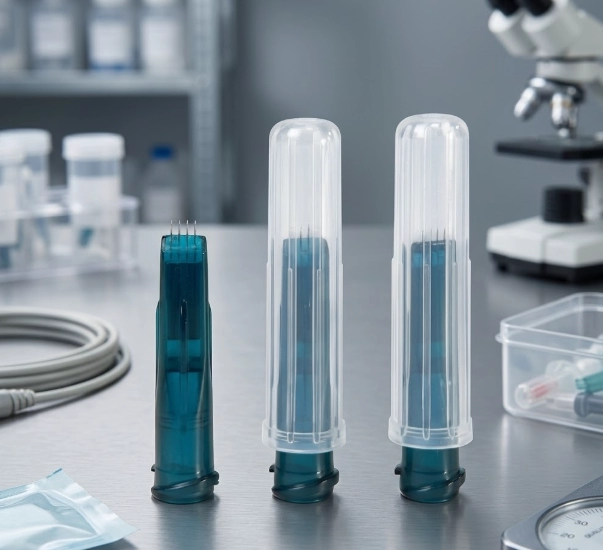
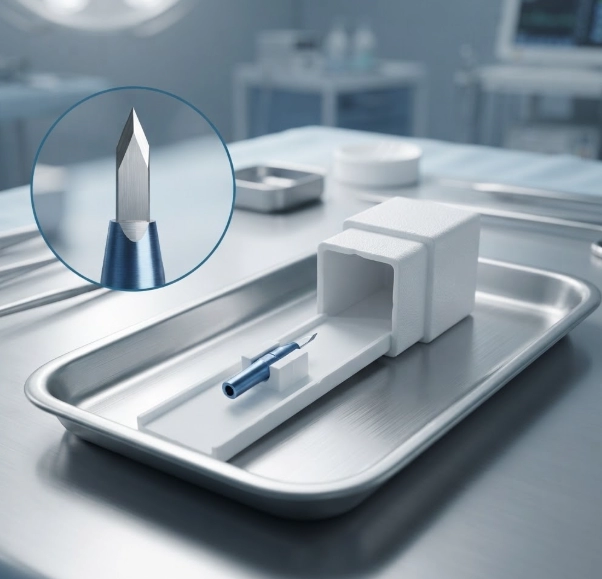
A Sapphire Hair Implant Blade is designed for creating recipient sites before follicular grafts are implanted. Its value comes not only from the sapphire material but also from blade geometry, edge consistency, manufacturing quality, and compatibility with the surgeon's workflow.
Why Recipient-Site Precision Matters
After follicular units are harvested, recipient sites need to be prepared according to the planned hairline, density, direction, and angle. These factors are important for achieving a natural-looking distribution of transplanted hair.
A properly manufactured sapphire blade can provide a fine and consistent cutting edge for recipient-site creation. However, the blade itself does not determine the final surgical result. The surgeon's technique, graft quality, site depth, angle, and patient-specific factors remain essential.
This is why clinics should view the blade as one component of the overall hair transplantation process.
The Advantages of Sapphire as a Blade Material
Sapphire is a hard crystalline material with strong resistance to scratching and wear. In hair transplantation instruments, these properties can help maintain a consistent cutting edge when the blade is manufactured and handled correctly.
Consistency becomes particularly important during procedures involving a large number of recipient sites. A predictable cutting edge can help surgeons maintain a more consistent workflow.
However, buyers should not judge a product only by the word “sapphire.” Material quality, edge finishing, blade dimensions, manufacturing tolerances, and quality control are equally important.
Blade Geometry Should Match the Procedure
When selecting a sapphire blade for hair transplant procedures, clinics should consider the actual surgical application.
Different graft sizes and areas of the scalp may require different approaches. Single-hair grafts used around the frontal hairline, for example, need to follow the natural direction and angle of existing hair. Larger follicular units in other areas may require a different implantation strategy.
The blade therefore needs to fit the surgeon's preferred technique and the planned graft placement.
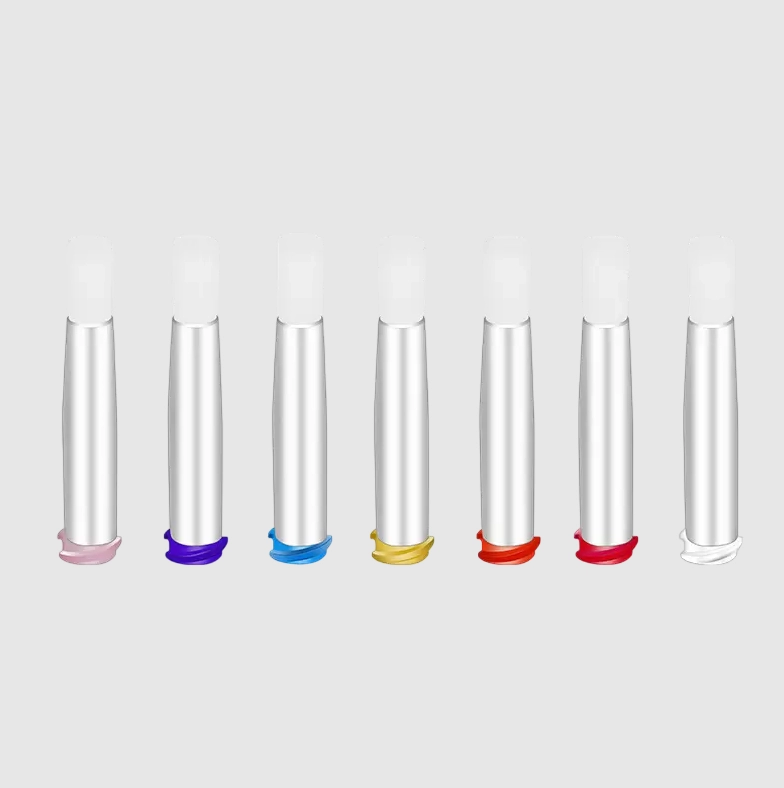
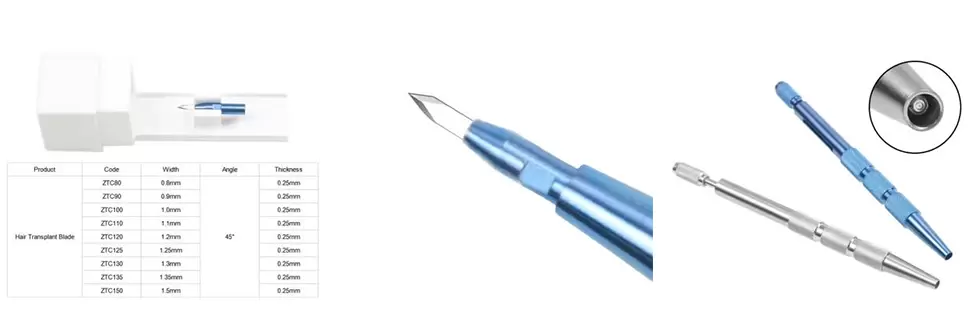
Important purchasing factors include blade dimensions, cutting-edge consistency, surface finish, compatibility with the implantation method, packaging, and manufacturing quality.
Consistency Matters for Clinics and Distributors
For clinics performing regular FUE procedures, inconsistent instruments can create unnecessary differences between procedures. This makes supplier reliability an important part of procurement.
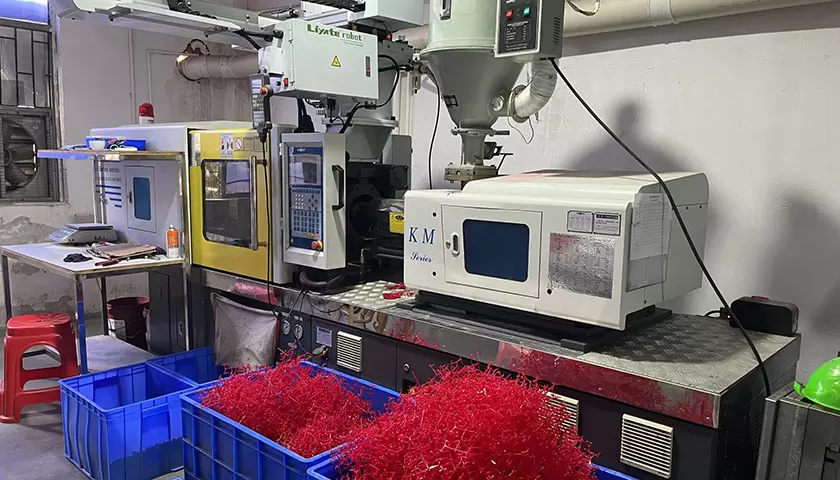
A professional Sapphire Hair Implant Blade manufacturer should be able to maintain consistent specifications across repeat orders. Distributors should also consider production capacity, packaging, supply stability, and communication when evaluating manufacturers.
Rather than choosing a product only because of its price, buyers should consider whether the supplier can provide stable quality for long-term use.
Selecting a Blade for FUE Applications
There is no single blade specification that is suitable for every procedure. Clinics should first consider their surgical workflow, graft characteristics, implantation technique, and surgeon preferences.
For procurement teams, the evaluation can then focus on whether the blade meets those requirements consistently.
This approach is especially useful when comparing a sapphire hair transplant blade supplier. A supplier should be evaluated not only by product appearance but also by manufacturing consistency, technical communication, customization capability, and supply reliability.
Contriu and Hair Restoration Instruments
Contriu's medical product range includes FUE needles, Choi Pen-related products, and other hair transplantation instruments. Its sapphire blade products form part of a broader portfolio focused on precision tools for hair restoration.
For clinics and distributors, having access to related products from an experienced medical supplier can make procurement easier when different instruments are required within the same hair transplantation workflow.
Conclusion
A Sapphire Hair Implant Blade should be evaluated as a precision surgical instrument rather than simply as a sapphire product. Material properties, blade geometry, edge consistency, manufacturing quality, and compatibility with the intended FUE or DHI procedure all matter.
For clinics, surgeons, and distributors, choosing the right blade means looking beyond basic product claims and focusing on consistency, application requirements, and supplier reliability.
With its range of FUE and hair transplantation instruments, Contriu provides sapphire blade solutions for buyers seeking precision products for modern hair restoration workflows.