In high-precision industrial manufacturing—spanning automated medical device assembly, surface-mount technology (SMT) semiconductor packaging, and micro-optics bonding—the accuracy of fluid dispensing dictates structural product integrity. Applying high-performance cyanoacrylates, UV-curable resins, epoxies, and volatile solvents involves complex fluid dynamics. Standard off-the-shelf metallic or rigid dispensing tips often fail when handling delicate substrates or highly reactive materials, leading to fluid clogging, stringing, and inaccurate part placement.
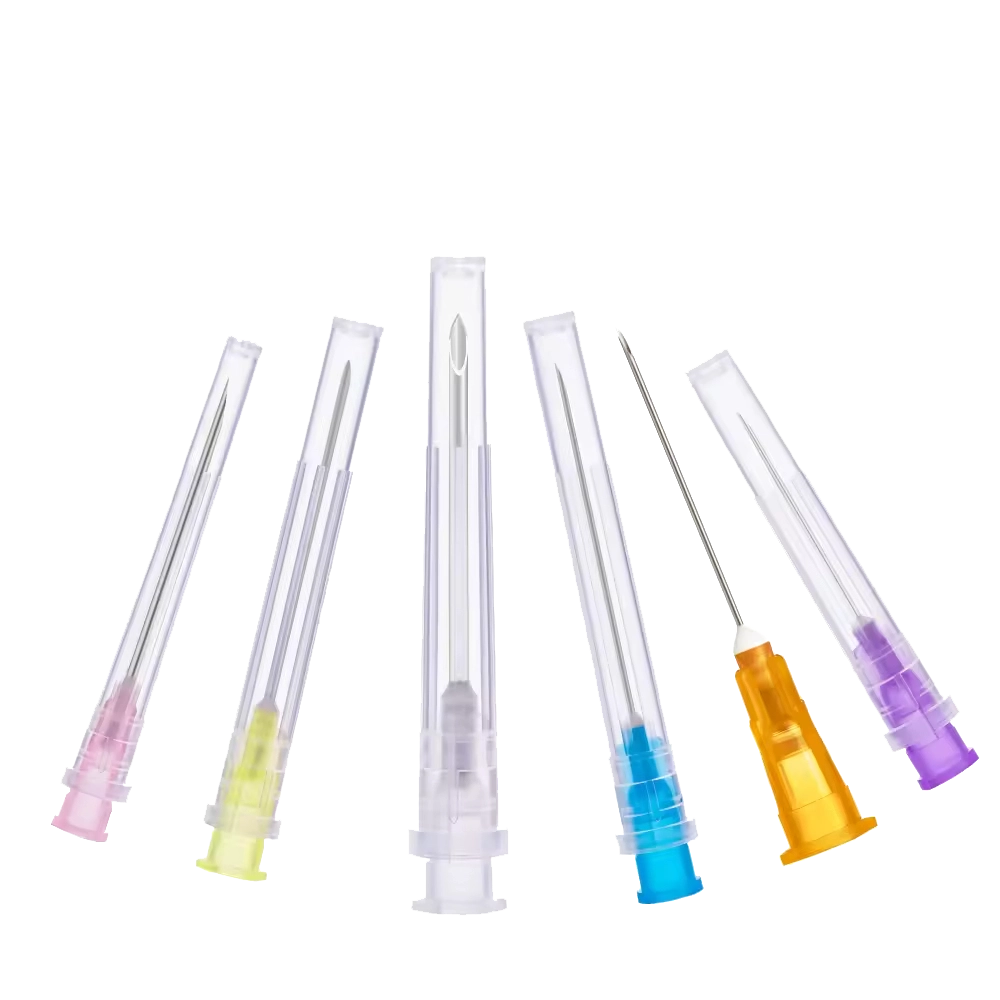
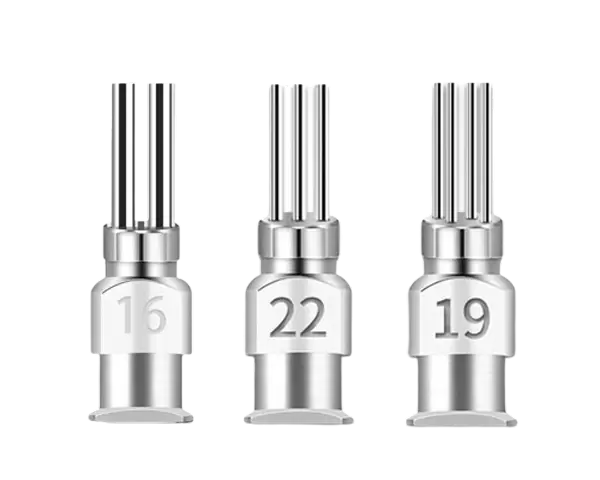
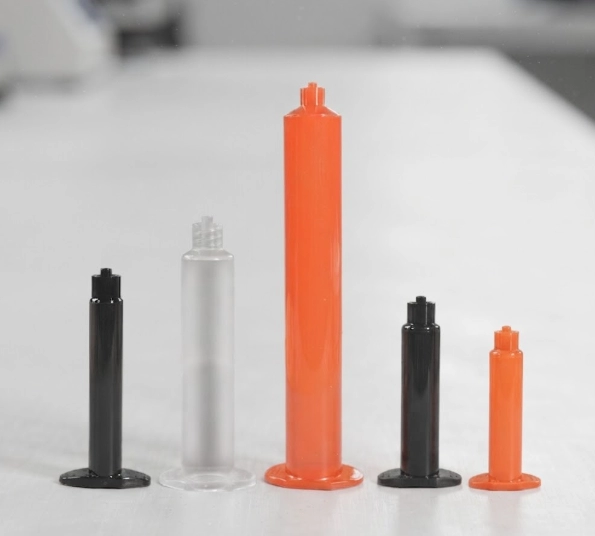
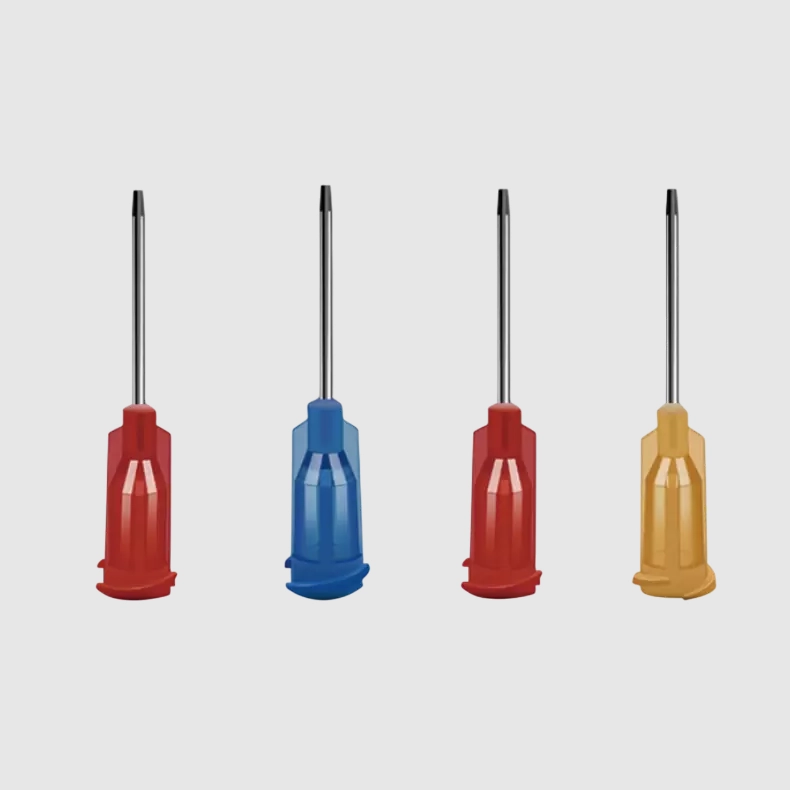
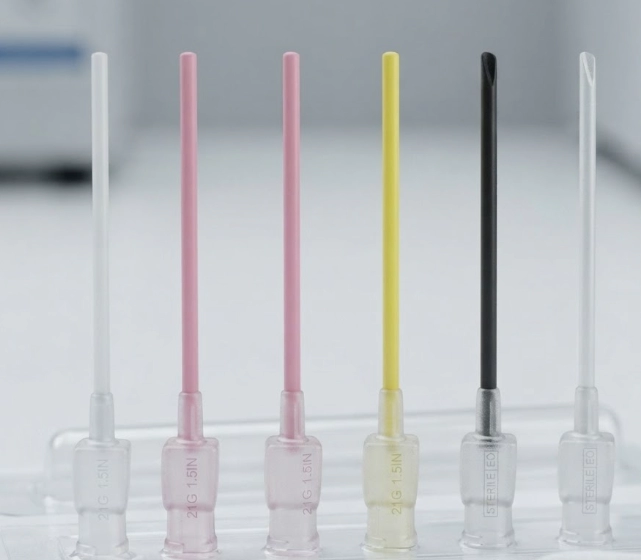
To overcome these micro-dispensing bottlenecks, engineering teams are transitioning toward highly tailored fluid delivery components. The deployment of a high-performance customizable plastic glue needle has become the industry standard for handling specific fluid rheologies without damaging fragile surfaces. At the forefront of this industrial micro-fluidics sector, Contriu designs and manufactures advanced, high-tolerance plastic dispensing tips that allow manufacturers to modify gauge sizes, tapered angles, and chemical resistances to meet strict process requirements.
🔬 Material Science: Polypropylene Inertness vs. Metallic Constraints
Selecting the correct material for a dispensing nozzle requires a deep dive into chemical compatibility and surface tribology. While stainless steel needles are effective for low-viscosity, non-reactive fluids, they present significant disadvantages when processing advanced structural adhesives:
● Eliminating Premature Polymerization: Fast-acting cyanoacrylates react to moisture andmetal ions, which can trigger premature cross-linking inside a stainless steel cannula.Contriu uses high-density, burr-free polypropylene (PP) formulations to ensure an inertfluid pathway, preventing premature curing and extending production uptime.
● Non-Marring Interface Flexibility: During delicate automated assemblies, such asbonding fragile ceramic sensors or ultra-thin smartphone glass, a metallic tip can scratch,chip, or crack the component upon contact. A flexible plastic needle acts as a protectivebuffer, absorbing minor Z-axis variances without compromising fluid accuracy.
📐 Rheological Calibration: Combating Fluid Shear and Flow Resistance
When a high-viscosity or particle-filled adhesive is forced through a narrow orifice under pneumatic or mechanical pressure, it experiences massive shear stress. This hydraulic resistance can alter the adhesive's viscosity and lead to inconsistent dispensing behavior.
To maintain a stable flow rate, Contriu offers advanced tapered geometries within their customizable plastic glue needle lineup:
| Dispensing Tip Geometry | Fluid Rheology Target | Fluid Shear Reduction | Production Process Benefit |
| Standard Straight Cannula | Low-viscosity solvents, thin oils | Moderate | High-velocity micro-dot scripting. |
| Smooth-Flow Tapered Interior | High-viscosity epoxies, pastes, gels | Up to 70% Reduction | Eliminates backpressure; prevents separation of filled materials. |
| Double-Helix Threaded Luer Lock | Ultra-high pressure automated lines | High Cross-Link Stability | Zero leakage or decoupling under extreme pressure spikes. |
By using a smooth, continuous interior taper rather than a sharp step-down, the fluid experiences minimal friction. This configuration reduces air pocket formation, eliminates stringing or tailing, and ensures uniform fluid placement on every cycle.
🛡️ Eliminating Capillary Action and Improving Particle-Filled Fluid Delivery
A major issue in high-speed automated dispensing is adhesive "creep" or dripping, where capillary forces cause fluid to travel up the outside of the needle tip after the valve shuts off. This creates messy, irregular dots and can contaminate adjacent circuitry or components.
To solve this, Contriu applies proprietary ultra-smooth, hydrophobic molding processes to their plastic dispensing needles. The high surface energy of the plastic composite creates a crisp fluid break at the exit orifice. This clean separation allows automated systems to cycle at higher speeds with zero dripping, which significantly cuts down on structural clean-up maintenance.
Furthermore, for structural adhesives packed with silver, copper, or ceramic thermal-management fillers, custom plastic needles prevent mechanical bridging. The flexible internal walls expand slightly under pressure pulses, allowing dense, particle-filled materials to pass through without causing clogs or jamming the line.
🌐 Industrial Application Profiles: High-Tech Manufacturing Deployments
The adaptability and custom configurations of the Contriu industrial plastic needle fleet deliver major advantages across several high-tech fields:
● Medical Device Manufacturing: Custom-length, non-toxic plastic tips safely dispense UV adhesives onto delicate PVC catheters, polycarbonate housings, and surgical components without scratching or puncturing materials.
● Advanced SMT & Electronics Assembly: Precision-calibrated gauge options enable ultra-fine, uncompressed micro-dot potting of underfill resins beneath fragile BGA microchips.
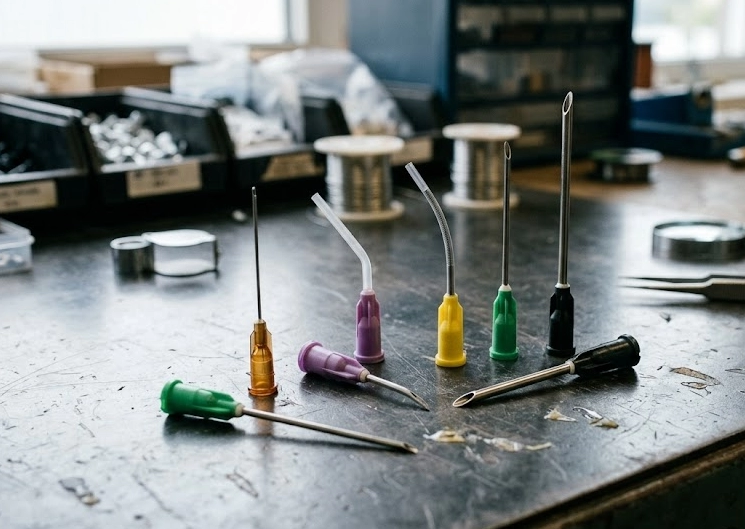
● Automotive Sensor Encapsulation: Heavy-duty, high-viscosity silicone gels are accurately delivered into tight, angular sensor housings using custom-bent angled plastic tips, ensuring perfect moisture seals.
● Optical Component Bonding: Opaque, UV-blocking plastic needles prevent ambient light from curing UV adhesives inside the needle channel, ensuring consistent flow during precision camera lens assembly.
💡 Conclusion: Achieving Precision and Long-Term Value Through Customization
As precision manufacturing requires tighter tolerances, faster cycle times, and more advanced chemical formulations, off-the-shelf, single-size metal needles can no longer keep pace. By combining inert polymer materials, smooth tapered geometries, and advanced hydrophobic surface finishes, custom plastic dispensing tips turn fluid application into a highly controllable science.
The advanced fluid solutions engineered by Contriu provide your assembly lines with the exact precision, surface protection, and anti-clogging reliability needed to eliminate product defects, minimize down-time, and maximize production throughput.