Home > News > Blog > What is a hair transplant pen mainly used for?
share
What is a hair transplant pen mainly used for?
Aug 14Source:Intelligent Browse: 93
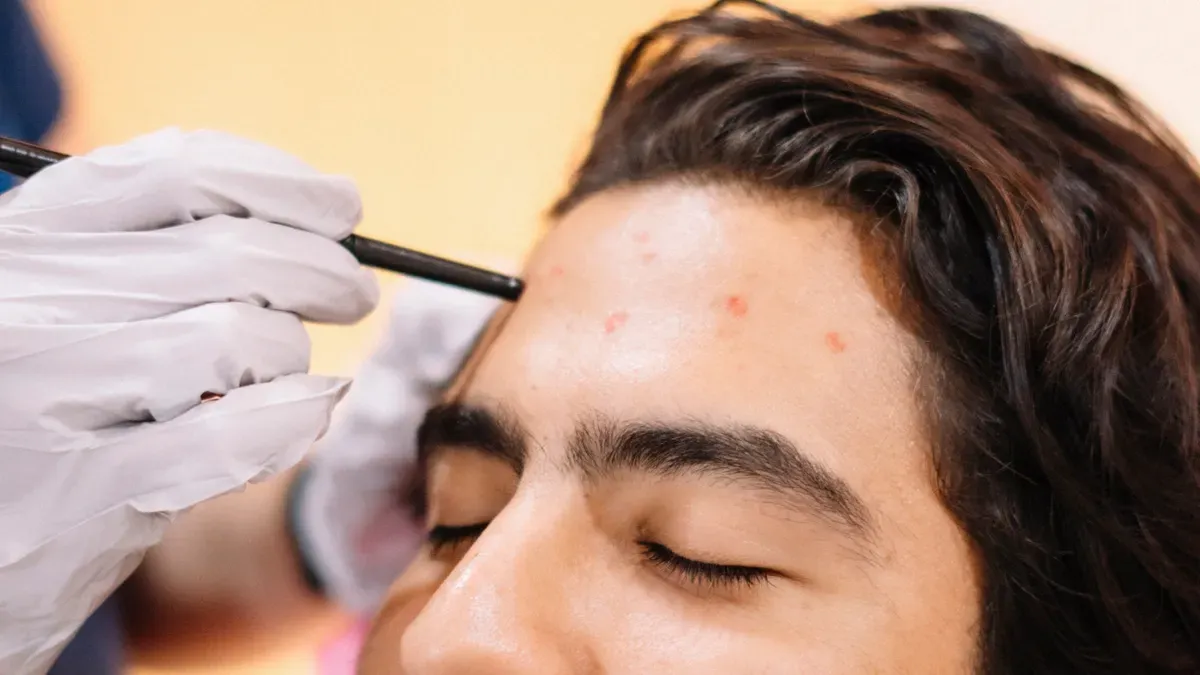
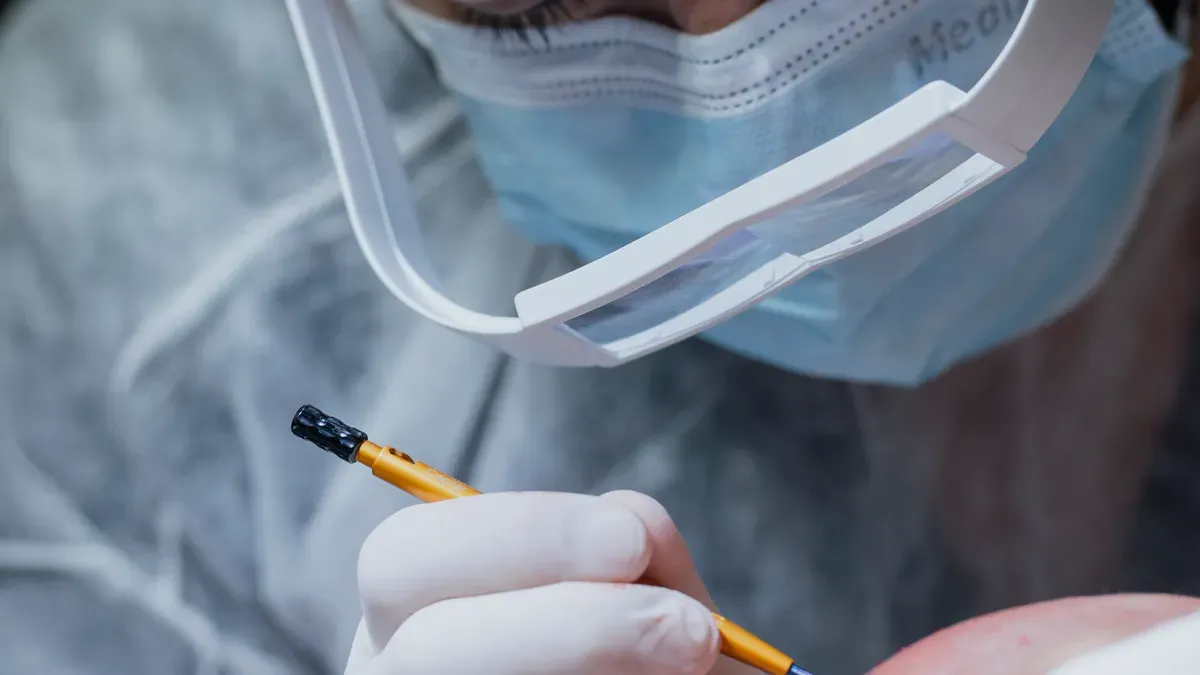
A hair transplant pen makes tiny holes and places hair follicles into your head at the same time during direct hair implantation. Doctors often call this tool a Contriu implanter pen. Its hollow needle helps control the hair's angle, direction, and depth in one easy movement. This combined step removes the need for pre-cut skin slits and lowers scalp damage. Today, dhi makes up 10.00% of the global hair restoration market. Modern tools like the Contriu device help make the surgery faster and more accurate. You can learn about the main medical benefits, limits, and newest improvements of these special tools in this clear report.
Key Takeaways
A hair transplant pen makes small holes in the head and places hair roots at the exact same time.
The DHI method protects hair roots and increases hair survival rates up to 95 percent.
Because the tiny needle marks leave smaller wounds, patients heal much faster and can usually keep their normal haircut throughout the whole process.
This modern treatment is more expensive and needs an expert doctor to get the best outcome.
Core Functions of the Hair Transplant Pen
Doctors use modern tools to make hard hair restoration procedures much easier. The hair transplant pen acts as a main device that changes how surgeons put healthy hair roots into your scalp. This precise tool joins two major surgical steps into one smooth motion, saving time while protecting soft tissue.
Simultaneous Channel Creation and Graft Insertion
Older methods need two separate surgical steps. First, the surgeon cuts tiny receiver slits across your head. Next, the medical team inserts single donor hair units into those open cuts using forceps. Direct hair implantation changes this process entirely. You get a faster treatment because the hollow needle opens receiver spots and puts hair roots in at the same time.
Mechanical Component or Function
Clinical Description in DHI
Hollow needle with plunger mechanism
A needle attached to a plunger holds single or multiple hair roots for direct insertion.
Stick-and-place implantation
The surgeon pierces your scalp to a set depth and depresses the plunger to deposit grafts in one step.
Surgical control
The device combines channel creation and graft placement without pre-made recipient channels.
Skipping pre-cut channels brings real physical benefits to your healing journey. You suffer much less scalp damage because the needle creates exact tiny holes that match your real hair group sizes. Small skin damage lowers active bleeding during surgery. Less skin swelling also helps cuts close faster, which shortens total recovery time after dhi.
Top-quality tools guarantee steady performance across these careful steps. For instance, the Contriu Hair Transplant Pen uses strong 316 stainless steel along with tough medical-grade plastic. This sturdy design gives high rust defense and strict clean safety during use. Comfortable handles keep doctor hands from getting tired during long operations. Doctors pick specific needle sizes from 0.6mm to 1.2mm to fit your scalp needs and boost general planting speed.
Precise Angle, Depth, and Direction Control
Surgeons need to guide three main visual factors to rebuild a natural hairline during dhi hair transplantation. The hollow needle setup lets your doctor fix the exact angle, depth, and direction for each hair put in place.
Angle control: Surgeons change placement angles right away, angling needles at nearly 10 degrees near your front hairline and 30 to 40 degrees farther back on your head.
Depth control: The inside stop block avoids deep tissue harm by keeping every hair root at one set level.
Direction control: Your doctor lines up the needle point with real hair lines so new growth mixes in smoothly.
Choosing correct needle widths stays vital for safe keeping of soft hair roots. Your medical team picks needle sizes depending on unique skin and hair traits.
Needle Diameter
Recommended Follicle Type
0.6 mm
Single hair roots, such as eyebrow hair transplants
0.8 mm
Single or double hair units
1.0 mm
Grafts containing 2 to 4 hairs
This special matching guards healthy hair roots from physical harm during planting. The round sharp needle goes along the natural skin path right to the target depth. The surgeon places hair roots cleanly in a single move without extra outside touch. Cutting down direct touch keeps frail hair roots safe and ready for healthy long-term growth. Because of this, your scalp heals well while your new hair grows in thick and strong.
Major Advantages of the Contriu Implanter Pen
Enhanced Graft Survival and Reduced Exposure Time
You shield delicate hair roots from harm when picking modern hair transplantation methods. Older ways force medical staff to grab soft hair roots with metal forceps. This hard touching can crush tender tissue and ruin root health. The Contriu implanter pen guards fragile follicles inside a smooth hollow needle. Your medical team loads and puts in each unit without extra skin touching. Easy pen handles also prevent surgeon hand tiredness during long procedures. This safe cover keeps hair roots wet and secure before moving them into your skin.
Fast placement keeps living tissue from drying out in the open air. The dhi technique cuts down the time hair stays away from real blood flow.
Procedure
Reported graft out-of-body time
Survival rate
DHI (Contriu implanter pen)
5–15 minutes
90–95%+
Standard FUE
30–120 minutes
85–95%
Faster placement times directly boost total graft survival. Healthy grafts grow well and bring strong future hair growth across treated hair restoration spots.
Unshaved Hair Transplantation and Faster Healing
You may keep your current hairstyle completely untouched during your medical care. Doctors gently slip the thin needle between long hair strands on your target area. The surgeon implants single follicles without trimming your whole head. This method lets you cover treatment areas using your regular hair. You keep your daily routine going smoothly right after leaving the office. You get a private healing time without showing clear signs of work to family or coworkers.
Direct placement causes minimal skin hurt across your head. Small needle holes reduce local swelling and stop active surface bleeding.
Most patients get back to normal daily habits within 48 hours.
Light redness and tiny scabs go away within 7–10 days.
These smaller needle holes speed up your full skin healing. Less surgical harm means you feel much less pain after your care. You start light workout activities within a few days after dhi.
Key Advantages and Disadvantages to Consider
Higher Clinical Costs and Technical Learning Curves
You need to compare main benefits and drawbacks before selecting direct hair placement for your hair care plan. Complex medical gear and expert surgical staff drive up total clinic operational expenses today. Doctors employ custom disposable supplies throughout every tailored appointment. These specialized tool needs lift overall final bills higher than traditional operating methods.
Metric
FUE
DHI / advanced techniques
Per-graft cost
$5–$10
$7–$12+
Total cost
$7,000–$18,000
$10,000–$25,000+
DHI premium
—
10–20% higher than FUE
Clinical teams handle steep learning challenges while using these sensitive medical devices. Using a hair transplant pen demands great manual control and deep practical training from your lead specialist. Practitioners have to practice positioning single roots at precise directions constantly to master this skill.
The Contriu implanter pen DHI has a steep learning curve and mastery requires hundreds of supervised procedures.
Potential Risks of Graft Trauma and Improper Depth
Inserting healthy hair roots requires constant medical focus from your clinical staff through your entire visit. Rough physical force during root handling can squish soft cell tissue inside the hollow needle setup. Setting hair roots too high creates scalp bumps and sudden unit movement after your procedure. Setting hair roots too deep hurts tender skin layers situated deep under your scalp surface.
Bad placement directions or wrong entry depths cause several obvious bad surgical results:
Poor hair growth caused by wrong root direction
Hair unit popping and extra skin harm
High root loss caused by bad depth control
Strange hairline directions making a bad overall look
Your clinical staff defends every single root by picking ideal needle sizes for your personal head needs. Exact depth management directly guards overall root survival across all treated head areas. Mindful tool handling brings real growth lines and rich visual thickness for your permanent look.
Selecting the Right Implanter Pen for Hair Restoration
Matching Needle Sizes to Follicle Characteristics
You achieve natural density by selecting correct instrument dimensions during your procedure. Hair specialists analyze your graft caliber carefully before choosing an implanter tip. Selecting a hollow needle with matching width protects follicles during placement. Surgeons keep graft survival high by matching needle diameters directly to graft sizes. Choosing correct sizes prevents physical squeeze during tissue insertion. Proper matching protects living cells through every step.
Specialists select specific needle sizes based on the hair count in each unit:
0.6 mm needles fit eyebrow transplantation, fine hair, and single-hair grafts.
0.8 mm needles accommodate follicular units containing 1 to 2 hairs.
1.0 mm needles hold multiple follicular units containing 2 to 4 hairs.
Proper sizing prevents graft squeezing inside tight metal barrels. Correct needle diameters also stop graft movement inside oversized scalp holes. Your surgical team picks precise tools to give every hair unit ideal scalp contact. Matching instrument sizes accelerates your overall scalp recovery. Smooth insertion keeps root tissue healthy after implantation. Accurate depth placement prevents post-operative skin irregularities.
Surgeon Expertise versus Tool Capabilities
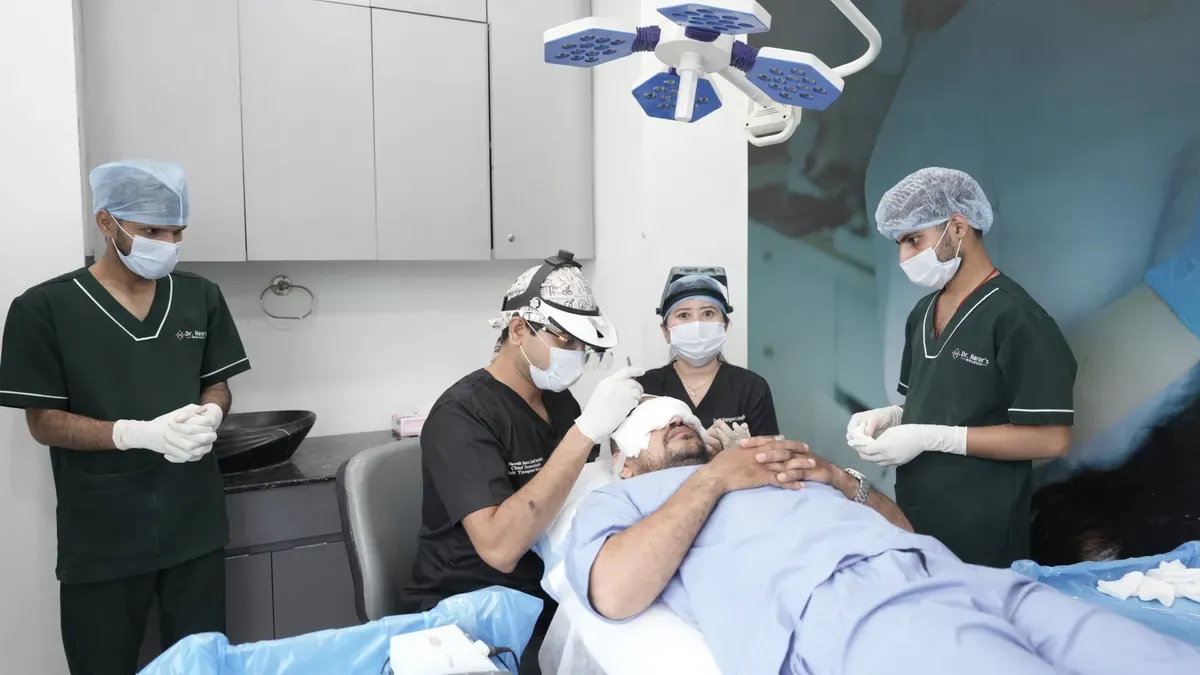
Great hair restoration results depend equally on surgical skill and device quality. A high-quality hair transplant pen gives your surgeon maximum control over implantation depth, hair angle, and growth direction. Trained hands must guide this precision tool to build natural hairlines. Practiced specialists insert healthy follicles quickly without harming delicate scalp tissue. Proper tool handling minimizes unnecessary physical trauma during surgery. Experienced doctors maintain smooth rhythm throughout lengthy placement sessions.
Advanced clinics customize surgical tools to match individual team preferences. Medical device manufacturers like Contriu offer specialized OEM and ODM medical-grade implanter pens for clinic-specific needs. Custom needle options and ergonomic handles reduce surgeon hand fatigue during lengthy operations. Durable surgical tools give your medical team high placement accuracy across every session. High manufacturing standards support smooth clinical workflows for better patient comfort.
A hair transplant pen lets doctors put hair roots right into your head without cutting skin first. This special tool opens tiny holes and sets the hair in one single move. Using this method cuts down skin damage, stops extra bleeding, and keeps soft hair roots safe.
You should think about both pros and cons before picking dhi care. Modern ways cost more money and need a doctor with high surgical skills. Still, you get thick hair that looks real while healing much faster. Talk with a certified hair care doctor today. A trained expert will check your hair loss patterns and pick the best plan to reach your hair goals.
FAQ
How does dhi differ from the traditional fue technique?
The old fue method needs cut openings in your head before placing hair roots. Conversely, dhi blends making holes and setting hair into one fast action. This strategy lessens head hurt and shields good hair roots.
What is a Contriu implanter pen used for during surgery?
A Contriu implanter pen lets your doctor push hair roots straight into your head. The device manages insertion tilt, distance, and orientation all at once. This action drops manual contact and aids root life.
Who can benefit from dhi hair transplantation?
Dhi hair transplantation helps you when you want a quiet treatment process. The process lets doctors add hair groups without fully buzzing your goal head spots. You bounce back fast and get back to regular life in two days.
Does dhi speed up overall scalp recovery time?
Yes. Tiny needle spots cut down bleeding and soft tissue puffiness on your head. Most crusts go away in 7 to 10 days, letting your head mend fast.