Home > News > Blog > What is a luer slip syringe with needle mainly used for?
share
What is a luer slip syringe with needle mainly used for?
Aug 29Source:Intelligent Browse: 63
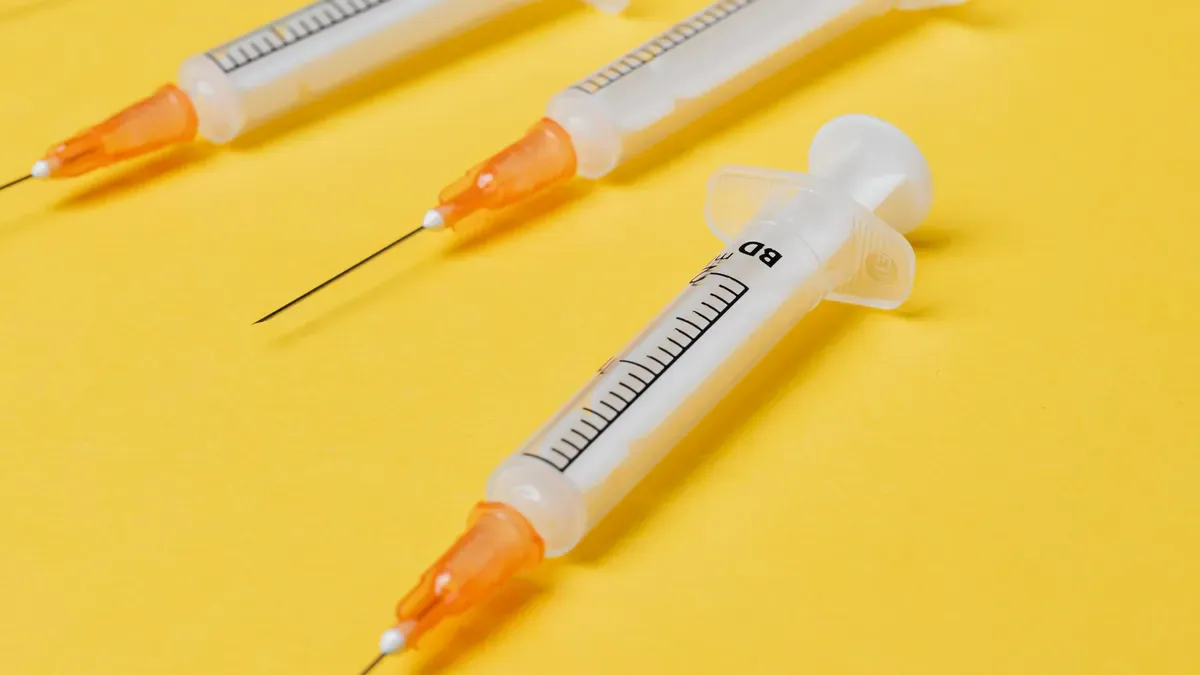
You primarily use a luer slip syringe to give medicine, vaccines, and other fluids through injection. You also use it to draw blood and finish lab tasks. The friction-fit design lets you attach a needle fast without twisting, saving valuable time during procedures.
This syringe serves many jobs. You can use it for shots into muscle or under the skin, pulling medicine from vials, or taking blood samples. In labs, you might use it to move liquids and measure chemicals. Vets rely on it for giving animals doses, while patients at home use it for insulin and hormone therapy.
This guide explains the main uses, benefits, and safety tips. You will learn if this syringe fits your needs.
Key Takeaways
You use a luer slip syringe for fast, low-pressure shots, like vaccines and insulin.
Its push-on design saves time and cuts down on hand tiredness during busy procedures.
Always check that the needle fits tightly before each shot to stop leaks.
Use a luer lock syringe when you need high pressure. But a slip tip works fine for most everyday jobs.
Understanding the Luer Slip Syringe
Definition and Design
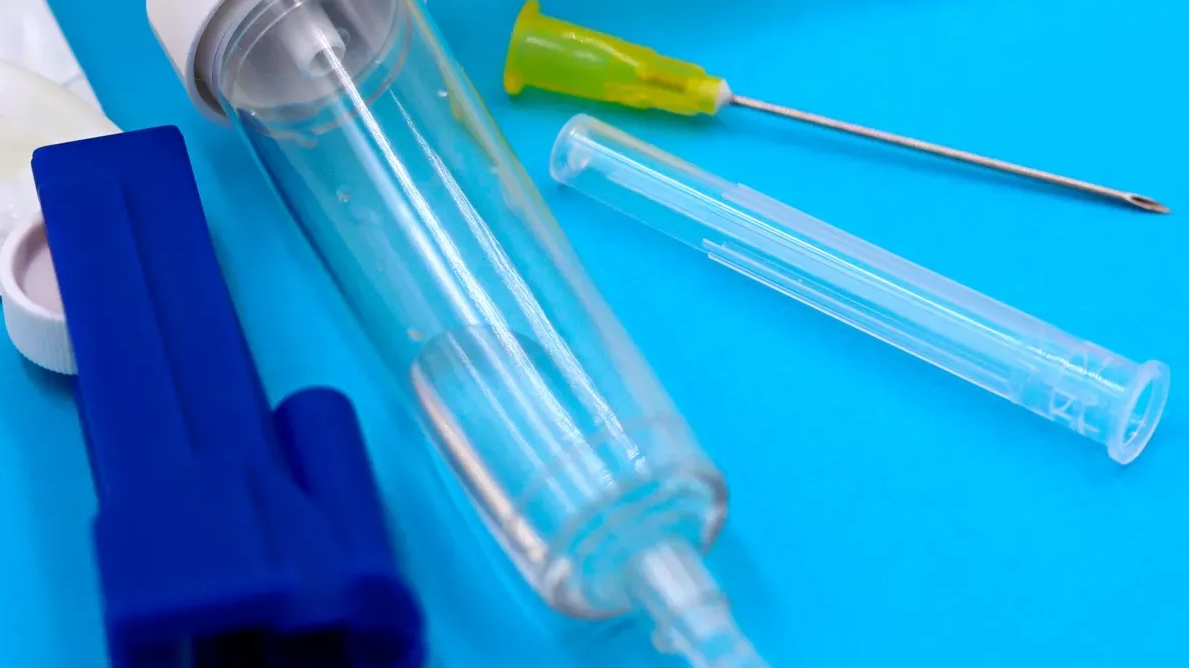
A luer slip syringe is a disposable plastic syringe with a push-on connection that fits by friction. The design uses a standard 6% conical taper. This taper measures 1.72 degrees from the centerline. It creates friction between the surfaces, forming a leak-free seal without twisting. This syringe is one of the common tip types you see in medical practice.
The luer slip syringe is available in sizes such as 1 ml. The device uses high-quality polypropylene plastic. This material resists chemicals well. It does not need rubber plungers for a tight seal. This choice lowers the risk of contamination. The clear plastic lets you see the fluid inside easily.
ISO 80369-7 sets the rules for these connections. This standard replaced the older ISO 594-1 and ISO 594-2 standards in October 2016. The new standard requires both dimensional and functional compliance. For example, the inner lumen of male connections cannot exceed 8.3F or 0.114 inches. The distance from the male face to the nozzle end must be at least 2.10 mm. These details ensure consistent performance across manufacturers. The standard also requires testing at the start and end of product life.
Luer Slip vs. Luer Lock
You need to know the difference between these two connection types. These two syringe tip types serve different purposes in medical settings. A slip connection attaches by pushing the needle hub onto the tip. Friction holds it in place. You do not need to twist. This makes the process faster and simpler. The slip design works well for low-pressure injections, blood draws, and lab work. You can attach and detach needles quickly without extra effort.
A lock connection requires twisting the needle hub onto the tip. The threads lock the needle in place. This design provides a more secure connection for high-pressure applications. However, the slip design saves time and reduces hand fatigue. You can change needles quickly without extra effort. The lock design takes more time but offers a stronger hold.
ISO 80369-7 ensures backward compatibility between slip and lock connections. Connections made under the new standard should work with older ISO 594 fittings. Always check the fit before use. Both types are available. You can choose the right syringe for your procedure.
How Luer Slip Syringes Work
The luer slip syringe uses a simple push-on connection. You slide the needle hub onto the syringe tip. Friction holds the pieces together. No twisting is needed. This design helps your hands feel less tired during repeated tasks. You can change it quickly.
The Friction-Fit Mechanism
The friction-fit seal comes from a standard 6% taper on the cone-shaped tip. This taper is 1.72 degrees from the centerline. When you push the hub onto this tapered tip, the cone shape creates more pressure from the sides as the hub goes forward. The pressure pushes the matching surfaces into tight contact. This tight fit, called an interference fit, makes enough friction to create a seal that does not leak. You do not need threads or locking parts.
This design makes these syringe tip types easy to use. You can attach and detach them quickly. The simple connection speeds up your work. It also lowers the chance of injuries. You spend less time handling it. The standard taper ensures it works the same across different brands. You can trust the fit.
The friction-fit mechanism works well for most everyday tasks. You can draw medicine from a vial. You can give shots into muscle or under the skin. The seal prevents leaks during these steps. The connection stays tight as long as you push firmly when attaching. The 6% taper is an industry standard. This means you can use any slip needle that fits with your syringe.
Needle Compatibility and Sizes
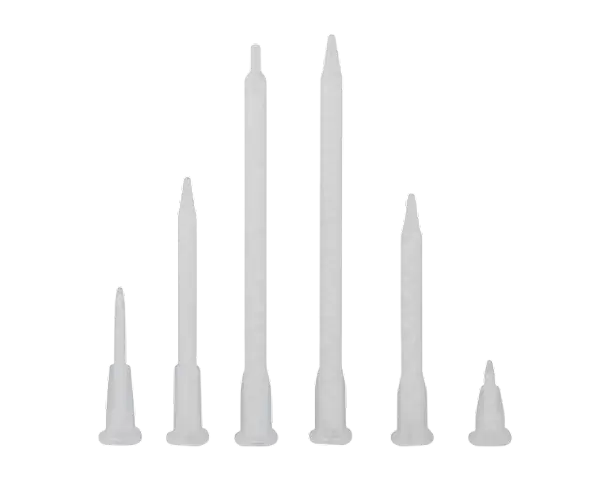
This luer slip syringe accepts standard slip needles. The cone-shaped tip matches the needle hub. This fit makes sure it holds tight every time. You can choose from many gauge sizes. Common gauge sizes include 22G to 25G, as recommended by the CDC for intramuscular injections. The right gauge depends on how thick the fluid is and where you inject.
These syringe tip types work best for low-pressure uses. You can use them for shots into muscle, under the skin, and into the skin layers. They also work well for pulling out fluids. You might draw medicine from a vial or take blood samples. The connection stays tight during these steps.
The range of gauge sizes lets you pick the right tool for the job. A smaller gauge works for thin fluids. A larger gauge handles thick fluids better. You can choose the best combination for your procedure. The push-on connection saves time during busy procedures. You do not need to line up threads or twist the hub.
Primary Uses of a Luer Slip Syringe
The luer slip syringe serves many important jobs in healthcare. You will find it in hospitals, clinics, and laboratories. Its simple design makes it a top choice for routine tasks. The push-on connection saves time during busy procedures. You can attach a needle quickly without twisting. This speed matters when you handle many patients in one day.
Medical Injections and Vaccinations
You use this syringe most often for giving medications. The administration of medicines through injection happens daily in medical settings. You can deliver drugs into muscle, under the skin, or into the skin layers. The friction-fit connection holds the needle firmly during these low-pressure injections. You do not need to worry about the needle slipping off during a standard shot.
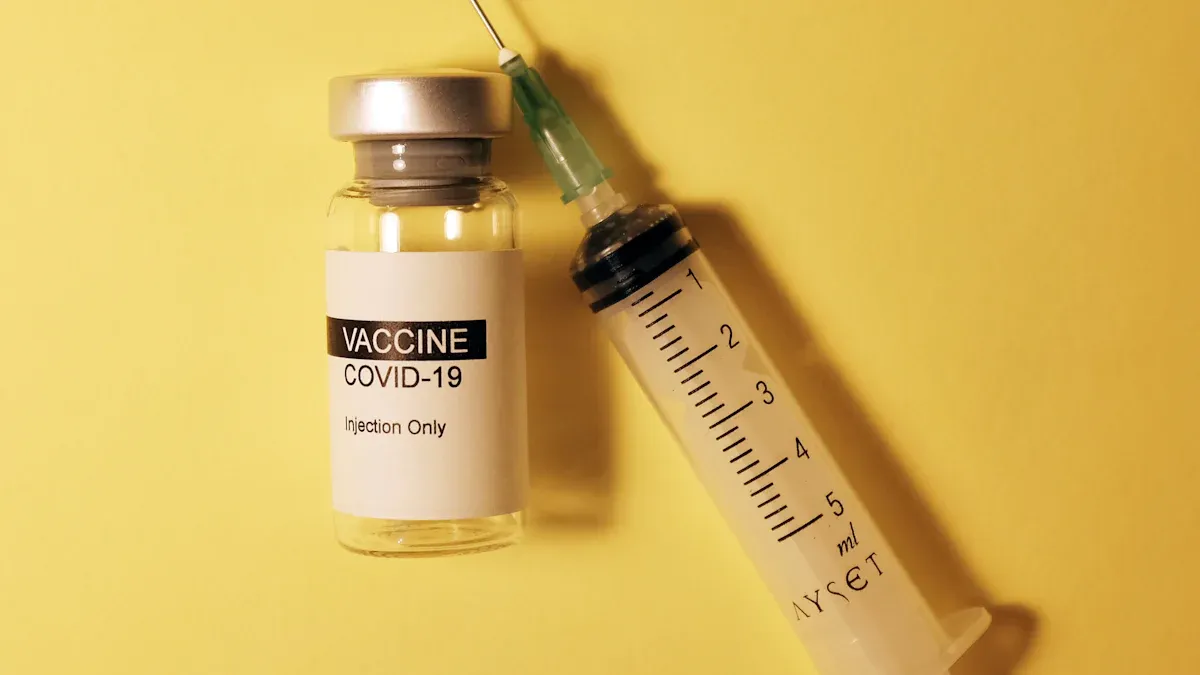
Vaccinations represent a major use for this device. You can draw the vaccine from a vial and inject it quickly. The clear plastic barrel lets you see the exact dose. You can confirm you have the right amount before you give the shot. This visibility reduces errors and keeps patients safe.
Common medical procedures that use this syringe include:
Drawing blood samples for diagnostic testing, blood donation, or other medical purposes.
Administering medications through injections or other routes of administration.
Performing medical procedures such as aspirating fluids, irrigating wounds, or delivering contrast agents during imaging tests.
These tasks happen every day in healthcare settings. The luer slip syringe handles each one with ease. You can switch between tasks quickly because the needle attaches fast. This efficiency helps you serve more patients in less time.
Luer slip syringes are primarily used for routine injections, as noted in the comparison of syringe tip types.
You will find this syringe works well for insulin shots and allergy treatments. Patients who self-administer at home appreciate the simple design. They can attach a fresh needle without struggling with threads. The straightforward connection reduces stress during self-care.
Blood Draws and Laboratory Work
You also use this syringe for sample collection and transfer. Drawing blood samples requires precision and care. The luer slip syringe gives you control during the process. You can pull the plunger smoothly to collect the right volume. The tight friction seal prevents air from entering the barrel.
Laboratory work relies heavily on this syringe type. You can transfer reagents between containers with accuracy. The clear barrel shows you exactly how much liquid you move. This visibility matters when you measure small volumes for experiments. You can trust the markings on the side for precise readings.
Laboratory applications benefit from this syringe design. You can use it without rubber stoppers in the plunger. This feature reduces contamination risks during sensitive tests. The plastic material resists chemical reactions with your samples. You get reliable results without interference from the syringe parts.
The luer slip syringe is a practical choice for labs, offering reliable performance. You will appreciate the needle compatibility across brands. Standard luer slip needles fit any syringe with the same taper. You can mix and match without compatibility issues. This flexibility simplifies your inventory management. You do not need to stock multiple connection types for different tasks.
The speed of attachment helps during time-sensitive procedures. You can prepare multiple samples quickly. Each needle change takes seconds instead of minutes. This efficiency keeps your workflow moving smoothly. You complete more tests in less time.
For diagnostic procedures, you can aspirate fluids from body cavities. The syringe gives you gentle suction control. You can collect the exact amount you need for testing. The secure connection prevents leaks during transfer. You deliver the sample to the lab without losing any fluid.
The luer slip syringe proves its value across many applications. You get reliable performance for routine medical and laboratory tasks. The simple design and quick attachment make it a practical choice. You can trust this syringe for your daily work.
Additional Applications
Veterinary Medicine
Vets use this syringe for many animal care jobs. You can give pets and farm animals their daily doses with it. The simple push-on connection works well in busy clinics where you handle many animals each hour. You do not need to twist or line up threads, so you save time during checkups.
Giving fluids becomes easier with this design. You can draw saline or other solutions and give them slowly. The friction-fit connection holds tight during gentle pressure. You can also use it to clean wounds by flushing out dirt. The disposable design stops germs from spreading between animals, which matters in clinics with many patients.
Home Care and Self-Administration
Patients with long-term conditions find this syringe easy to use at home. You can give yourself insulin, allergy shots, or hormone therapy without help. The quick attachment saves you from dealing with tricky parts. You just push the needle hub onto the tip and you are ready.
The simple design lowers stress for people new to shots. You do not need special training to connect the pieces. The clear marks on the barrel let you measure your dose correctly. You can see the liquid inside, which helps you confirm you have the right amount.
For daily routines, the speed of this luer slip syringe makes a difference. You can get your injection ready in seconds. The giving medication process becomes less stressful with this tool. You can attach a fresh needle each time, lowering infection risk. The secure friction fit stops the needle from coming off during use. You feel sure that the needle stays in place while you inject.
Always check the connection before each use. Push the hub firmly until it feels snug. Give a gentle pull to make sure it holds. This simple check keeps self-administration safe every time.
Pros and Cons of Luer Slip Syringes
Benefits: Speed and Convenience
The luer slip syringe has clear benefits for everyday medical tasks. You attach a needle by pushing it onto the tip. No twisting is needed. This simple action saves seconds during each procedure. In a busy clinic, those seconds add up quickly. You prepare injections faster and move through your patient list with less delay.
Your hands get less tired with this design. You do not grip and twist the hub to attach it. The push-on motion uses less force. Doing the same task many times is easier on your hands. This comfort helps workers who give many shots each day. You keep better control during your shift.
These syringe tip types work well for fast procedures. You draw medicine, attach a needle, and inject in seconds. The friction fit holds tight during low-pressure uses. Standard vaccinations, insulin shots, and blood draws are all in this group. You can trust the connection for these routine tasks.
Drawbacks: Connection Security
The friction-fit design has a limit. It depends on surface contact to keep the needle in place. High pressure can break that contact. The needle may get loose or come off during use. This risk grows with thick fluids that need more force to push through the needle.
Luer Slip connections use friction fit, which is less safe than Luer Lock systems. They work fine for low-pressure uses, but are not good for high-pressure injections with thick fillers. In aesthetic practice, Luer Lock syringes are much better for all filler and neurotoxin procedures. This stops the risk of disconnection, which can cause the needle to come off during treatment—a serious safety danger.
The health problems from a loose needle are serious. A loose needle can leak medicine. You give the wrong dose to the patient. The fluid may spill into nearby tissue instead of the target spot. This can cause harm in some treatments. Dangerous drugs create even more risk when they leak.
A needle coming off creates more dangers. A needle that comes off the syringe can cause needlestick injuries. You might accidentally stick yourself or a coworker. Contamination can happen during sterile procedures. These risks make the luer slip syringe not good for high-pressure injections.
You should pick a luer lock syringe for important procedures. Aesthetic treatments with thick fillers need a secure connection. High-pressure injections also need that. The luer slip syringe works best for low-pressure, everyday tasks. Choose the right syringe for the procedure to stay safe.
Luer Slip Syringe Sizes and Selection
Common Volume Capacities
You can find luer slip syringes in various sizes to match different medical tasks. The luer slip syringe is available in sizes such as 1 ml. Smaller syringes let you measure very small doses accurately. Larger syringes handle bigger jobs like drawing blood or irrigating wounds. The plunger moves smoothly to control how fast the liquid flows.
Matching Size to Procedure
Choosing the right size depends on what you plan to do. You should match the syringe volume to the amount of liquid you need. A syringe that is too big makes it hard to measure accurately. A syringe that is too small makes you refill many times.
For exact shots like insulin or vaccines, use smaller syringes. These let you measure exact doses. You can see the marks clearly and avoid overfilling. The fine control helps you give the right amount every time.
For wound cleaning, fluid removal, or animal use, pick larger syringes. These give you enough space for these jobs. You can flush wounds fully without stopping to refill. You can draw larger blood samples in one pull. The bigger barrel also works well for giving fluids to animals.
The luer slip syringe design works across various sizes. You get the same friction-fit connection. The needle attaches quickly and holds securely during low-pressure work. This consistency makes these syringe types easy to use in any setting. You can standardize your supplies and train staff on one simple system.
Safety Tips for Luer Slip Syringes
Ensuring Secure Needle Attachment
You must check the connection before every injection. A loose needle can leak medicine or cause harm. The friction-fit design works well, but you need to make sure it holds properly each time.
Follow these steps to test the attachment:
Push the needle hub straight onto the syringe tip and press firmly to secure it. Do not twist unless the manufacturer says otherwise.
Before injecting, check that the connection feels tight and the needle is firmly attached. This quick test confirms the luer slip syringe is ready to use.
You should also pick the correct needle length for your procedure. The CDC gives clear guidance for intramuscular vaccine injections. The right choice depends on the patient's age, weight, and injection site.
The CDC also suggests a needle gauge of 22-25 for all intramuscular injections. Matching the needle to the patient reduces pain and ensures the medicine reaches the right tissue layer.
Proper Disposal and Handling
Safe disposal protects you and others from needlestick injuries. You must follow OSHA guidelines when handling any syringe in a healthcare setting. These rules exist to lower exposure risks.
OSHA requires employers to follow specific safety practices:
Use standard syringes only when no occupational exposure to blood or other potentially infectious materials exists.
Implement engineering controls such as needleless systems or sharps with engineered injury protection where exposure is reasonably anticipated.
Solicit input from non-managerial employees when selecting safer devices.
Provide annual training on proper device use and disposal procedures.
You should always place used needles in a puncture-resistant sharps container right after use. Never recap a needle by hand. This action causes many accidental sticks. Follow your local rules for disposal to stay compliant.
The luer slip syringe is designed for single-use only. You prevent cross-contamination by throwing away the device after one procedure. Do not reuse it, even if it looks clean.
These syringe tip types need your attention during handling. You control the safety of your workspace. Check each attachment, choose the right needle, and dispose of used devices properly. These habits keep you and your patients safe.
How to Attach a Needle to a Luer Slip Syringe
Preparation and Inspection
Before you touch any supplies, wash your hands well with soap and water. This step stops germs from getting onto the clean tools. Gather everything you need in one clean area: the luer slip syringe, the needle, alcohol swabs, and your medicine vial. Having all items close by cuts down handling time and lowers the chance of contamination.
Check each part carefully before you use it. Look at the sterile package for tears, holes, or dampness. If the package looks damaged, throw it away and pick a new one. Look at the syringe barrel for cracks or cloudy spots. Check the tip to make sure it has a smooth, cone-shaped surface with no chips. Look at the needle hub for any flaws. The hub must fit snugly against the syringe tip for a good seal.
Check the date on both the syringe and the needle package. Expired items may not be sterile or may have weak materials. The luer slip syringe is designed for single-use. Once you open the package, use it right away. Do not keep an opened syringe for later.
Step-by-Step Attachment Process
The attachment process takes only seconds once you get ready. Follow these steps in order:
Take the syringe out of its sterile package. Hold the barrel firmly without touching the tip.
Peel open the needle package. Keep the protective cap on the needle hub until you are ready.
Line up the needle hub straight with the syringe tip. The hub opening should face the cone-shaped tip squarely.
Push the hub straight onto the tip with steady, firm pressure. You will feel it slide into place and become snug.
Gently pull on the hub to test the connection. If it holds firm, you have a good fit. If it moves or slides off, push it on again with more force.
Do not twist the needle during attachment. The luer slip design uses friction, not threads. Twisting can actually weaken the seal by moving the hub out of line. The push-on motion creates the tight fit that holds the needle well during low-pressure injections.
After attaching, draw your medicine as usual. The connection should stay tight during the whole process. If you see any fluid leaks or movement, stop and reattach the needle. A secure connection keeps you and your patient safe during the procedure.
You can use a luer slip syringe for low-pressure shots, drawing blood, lab work, animal care, and giving medicine at home. Its friction-fit design lets you put on a needle fast without twisting. This works well for quick, everyday tasks. It is not good for high-pressure injections that need a stronger hold.
Pick the right size for each task. Always check the connection before you use it. A firm push makes a tight seal.
Luer slip syringes offer dependable quality for a variety of tasks. They are available in various sizes to suit your needs. Choose the right size for each procedure.
FAQ
Can I reuse a luer slip syringe?
No. Each luer slip syringe is designed for single use only. Reusing a syringe risks cross-contamination and infection. The plastic weakens after one procedure. Always discard the syringe and needle in a sharps container immediately after use.
What happens if the needle feels loose?
A loose needle means you did not push the hub firmly enough onto the tip. Press the hub straight on with steady force until it feels snug. Then gently tug to test the connection. If it still moves, replace both parts and try again.
Does a luer slip syringe work with any needle?
Standard luer slip needles fit any syringe with the same 6% taper. You can mix brands without compatibility issues. Choose the gauge based on your fluid thickness and injection site. The friction-fit connection holds securely during low-pressure tasks like drawing blood or giving shots.
How do I choose between luer slip and luer lock?
Pick a luer slip syringe for quick, low-pressure jobs like vaccines, insulin, or lab work. Choose a luer lock for high-pressure injections or thick fluids that need a stronger hold. The slip design saves time, but the lock design offers more security.