Home > News > Blog > What is the difference between a PP needle and a plastic steel needle?
share
What is the difference between a PP needle and a plastic steel needle?
Aug 28Source:Intelligent Browse: 95
When you need to do precision dispensing or comfortable knitting, the choice between a flexible PP needle and a rigid plastic steel needle is important. The PP needle is made from polypropylene. It is lightweight and flexible, and it resists chemicals well. It handles delicate tasks without scratching surfaces. On the other hand, the plastic steel needle is stronger, more rigid, and can handle higher heat. You can use it for tough industrial jobs or fast knitting with slippery yarns.
From 2026 to 2033, the global market for dispensing needles grows by 4.9% each year (CAGR).
So, which type is right for your project? It depends on what you need: flexibility, durability, or heat resistance.
Key Takeaways
PP needles bend easily and resist chemicals, making them great for fine work and new knitters.
Plastic steel needles are stiff and can handle high heat, making them great for tough factory jobs and skilled knitting.
Use PP when you need precision with delicate parts. Choose plastic steel for high heat or long-lasting needs.
For best results, match the needle gauge to the thickness of the material. Use high gauges for thin liquids and low gauges for thick pastes.
Materials and construction
What defines a PP needle
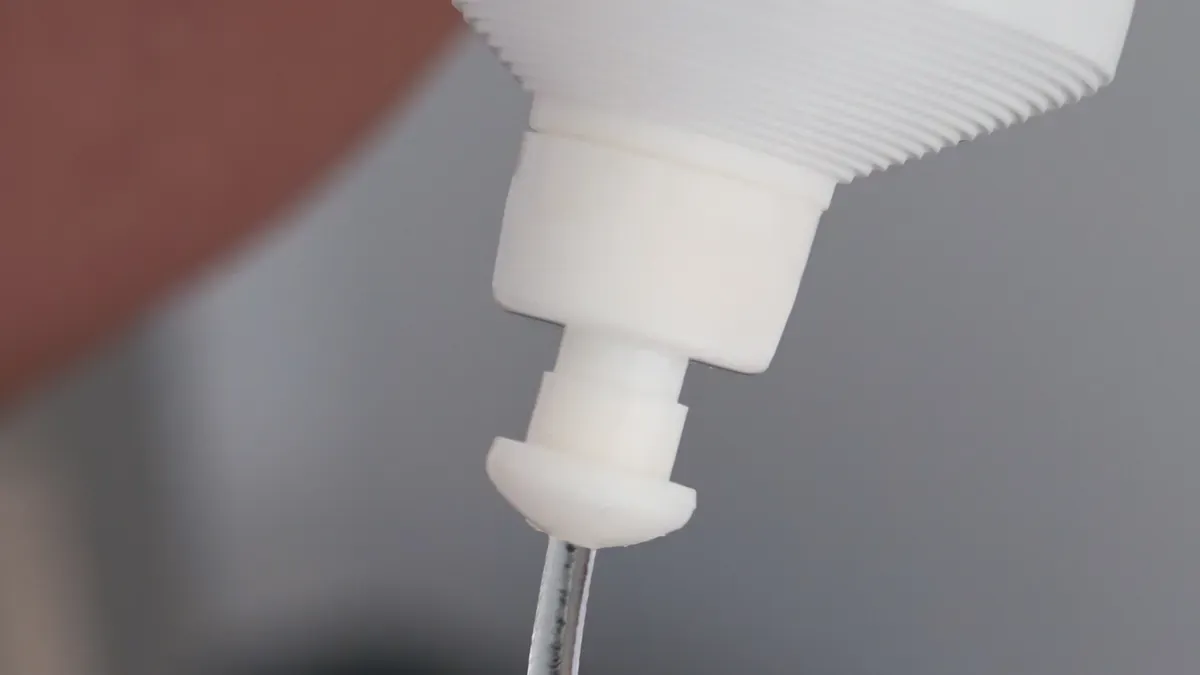
A PP needle is made entirely from polypropylene, a light plastic that bends easily. The Contriu brand makes these tips with both the tube and seat from PP. A special UV glue holds the two parts together, so they stay connected even under pressure. This design makes the PP needle great for careful work where you need accuracy without harming fragile surfaces.
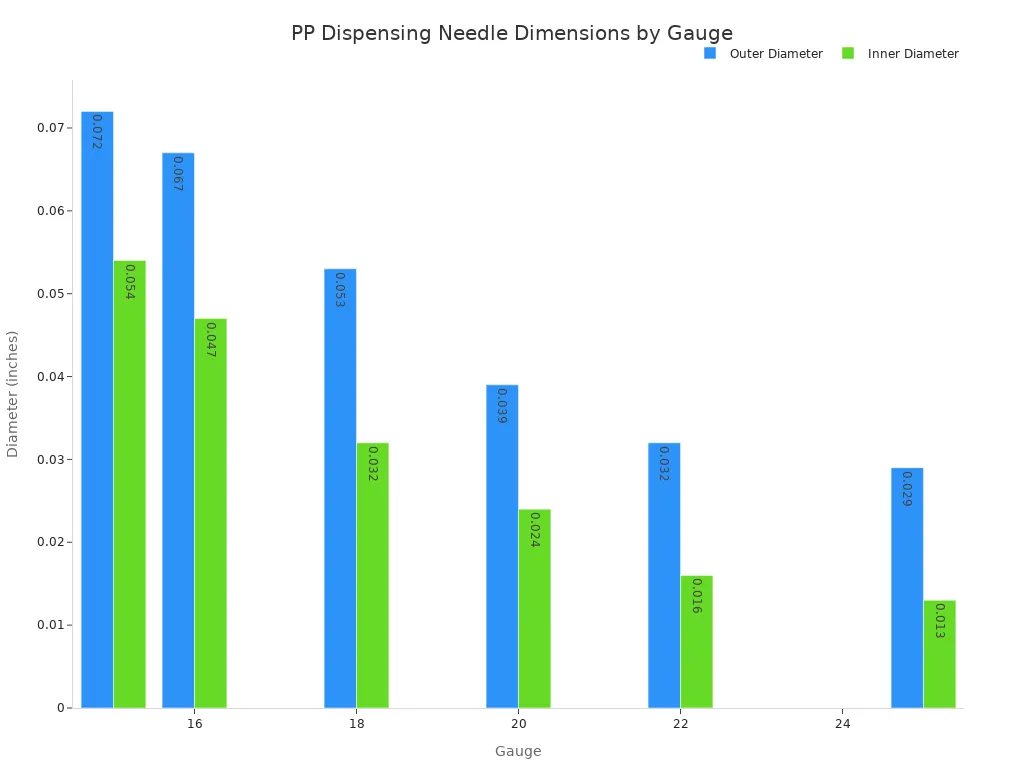
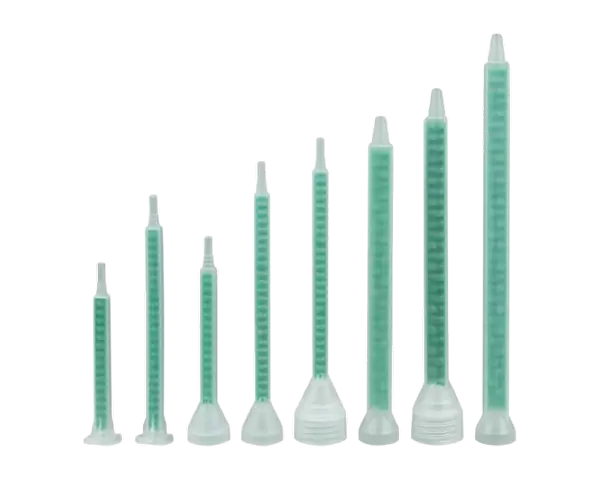
PP needles come in many sizes to fit your needs. The gauge range goes from 14G to 25G, with lengths of 6.5mm, 13mm, 25mm, and 38mm. The most common length is 13mm, which suits most jobs. Each needle has a color-coded hub, so you can easily tell which gauge you have. The Luer Lock design keeps the needle snug on syringes, stopping leaks while you work.
Gauge
Outer Diameter (in)
Inner Diameter (in)
Length (in)
15
0.072
0.054
1-1/2
16
0.067
0.047
1-1/2
18
0.053
0.032
1-1/2
20
0.039
0.024
1-1/2
22
0.032
0.016
1-1/2
25
0.029
0.013
1-1/2
The table above shows that as the gauge number goes up, the outer and inner diameters get smaller. A smaller inner diameter lets you control the flow of glue or solvent more exactly.
Understanding knitting needle material options
When you shop for knitting needles, you'll see two main types: plastic and steel. Plastic needles, like those made from PP, are light and help reduce wrist strain during long knitting sessions. Many beginners pick plastic because the medium grip helps hold stitches better than slippery metal. Plastic needles also pass TSA security checks, so they're easy to take on trips.
Steel needles offer different benefits for your knitting. They weigh more than plastic, which can tire your hands during long use. But the smooth surface lets yarn slide quickly, so skilled knitters can stitch faster. The table below compares these materials side by side.
Aspect
Plastic Needles
Steel Needles
Weight
Lightweight, especially at large sizes (US 15+), reducing wrist strain
Heavier than plastic, can cause hand fatigue in extended sessions
Grip
Medium friction, between metal and wood; grip quality varies, may require more hand tension to control
Low friction, slippery; beginners may drop stitches more often
Ease of Use
Budget-friendly, practical for beginners; bends under pressure, may distort at fine gauges
Fast and durable, but speed and slipperiness make it harder for beginners to control stitches
Your choice of knitting needle material depends on your skill level and project goals. Beginners do well with the forgiving nature of plastic, while advanced knitters like the speed of steel. Think about what matters most: comfort, control, or speed.
Key physical properties
Types of knitting needles: plastic vs. steel
When you hold a plastic needle next to a steel one, the first thing you notice is how they feel. Plastic needles, like those made from polypropylene, create more friction against your yarn. This grip helps you keep your stitches even, especially when you work with slippery fibers like silk or bamboo blends. The extra resistance slows your movements a bit, giving you more time to catch each loop before it slips off.
Steel needles work differently. Their smooth surface lets yarn glide with little resistance. You can knit faster with steel, and your hands move through long rows without fighting the material. But this smoothness has a downside. If you knit loosely, stitches can slide off the needle tip before you finish the loop. You must adjust your grip and hand position to keep the yarn where you want it.
This friction difference directly affects your gauge, which is the number of stitches per inch. With plastic needles, you naturally produce a tighter, more even fabric because the yarn does not move as freely. Steel needles encourage a looser, more relaxed stitch pattern unless you consciously tighten your tension. Many knitters choose their needle material based on the project's required gauge. A dense sweater pattern works well with plastic, while a lacy shawl benefits from the speed of steel.
The table below summarizes these key differences for quick reference.
Property
Plastic Needles
Steel Needles
Surface friction
Higher grip, holds yarn in place
Low friction, yarn slides easily
Stitch tension
Tighter, more uniform
Looser, requires conscious control
Knitting speed
Slower, deliberate
Faster, fluid motion
Best for
Beginners, slippery yarns
Experienced knitters, tight tension projects
Understanding types of knitting needles helps you match the tool to your skill level and project demands. The physical properties of each material change how your hands work and how the final fabric looks.
Heat and chemical resistance
The materials used in these needles respond very differently to heat and chemicals. A pp needle made from polypropylene resists many common adhesives and solvents. You can use it with cyanoacrylates, epoxies, and various industrial cleaning agents without worrying about degradation. This chemical resistance makes PP needles valuable in dispensing applications where you apply reactive substances.
However, polypropylene has a lower melting point compared to steel. When you expose a PP needle to high temperatures, it softens and can lose its shape. The needle tip may bend, or the hub could deform, affecting the accuracy of your dispensing. For most room-temperature applications, this limitation does not matter. But if your process involves heated materials or sterilization cycles, you need to consider this weakness.
Plastic steel needles handle heat much better. The steel construction withstands substantially higher temperatures without warping or losing structural integrity. You can use steel needles in applications that involve hot adhesives, solder paste, or other materials that require elevated temperatures. The metal also resists the kind of chemical attack that might eventually degrade plastic over time.
The choice between these materials often comes down to your working environment. If you dispense solvents at room temperature, the chemical resistance of PP serves you well. If you work with hot materials or need repeated sterilization, steel provides the durability you need. Understanding these physical properties helps you select the right needle for your specific conditions without risking damage to your equipment or your project.
Durability and lifespan
Wear and tear differences
PP needles bend when pressed. This flexibility helps them handle bumps that would break stiff materials. But using them a lot wears them out faster. The tip can change shape over time, especially in longer sizes like 25mm or 38mm. After many uses, you may see the tip bend a little. This bend hurts your accuracy. You must replace the needle more often to stay precise. For short jobs, this wear is not a problem. For big production runs, check the tip shape often. The bendy nature also puts less stress on the syringe connection. This can help your dispensing equipment last longer.
Plastic steel needles wear out in a different way. They resist bending and keep their shape through many uses. The stiff build means you can use them longer without swapping tools. This toughness makes them worth the money for nonstop production lines. You do not need to check the tip shape as much. The higher starting price pays off because they last longer. You can run thousands of cycles before you see any change. The stiffness also keeps the dispensing angle steady for the whole life of the tool.
Brittleness and breakage risks
The PP needle does not snap easily. The polypropylene material soaks up stress without cracking. If you push too hard, the tip bends instead of breaking. This stops sudden failures during important dispensing jobs. You can keep working even if the needle flexes a bit. The flexibility warns you before a break happens. You see the bend and can swap the tip before trouble starts. This slow failure style works well when stopping work costs too much.
Steel tools give the best strength under tight pressure. They do not bend or snap easily. But if you push past their limit, they can break all at once. The break is clean and sharp. You must handle steel tools with care to stay safe. For most factory jobs, this strength gives steady long-term performance. You can trust the steel tip to hold its shape in tough conditions. The downside is sudden breakage instead of slow bending. Pick steel when you need maximum strength and can handle the chance of sudden failure.
Cost and availability
Price range and affordability
When you look at prices, the gap between a PP needle and a steel dispensing needle is smaller than you might think. Bulk pricing for dispensing needles shows that stainless steel options with polypropylene hubs cost between $0.175 and $0.204 per unit when you buy 1,000 pieces. The exact price depends on the needle length. A 0.5-inch needle costs $175.00 per thousand, while a 1.5-inch version runs $203.50 per thousand. These prices reflect the combined cost of the steel shaft and the plastic hub.
For comparison, some suppliers offer stainless steel needles with plastic handles at a lower price point. The Nano Tech brand sells 500 needles for $25.99, which works out to about $0.052 per needle. This option costs roughly one-third of the price of the dispensing needles mentioned earlier. The lower price reflects the simpler construction and the larger pack size.
For knitting, plastic needles usually cost less than steel ones. A basic set of plastic knitting needles might cost a few dollars, while steel needles run slightly higher. The price gap narrows when you consider lifespan. Steel needles last for years without bending or breaking, so the higher upfront cost spreads across many projects. Plastic needles wear out faster, especially if you knit tightly or use them frequently. You might replace them several times before a steel needle needs replacing.
Where to buy each type
You can find PP dispensing needles through industrial suppliers like Contriu. These companies specialize in precision dispensing equipment and offer bulk packaging. A typical order contains 1,000 needles in a sealed pouch. You can purchase directly from the manufacturer's website or through authorized distributors. Industrial suppliers often provide technical specifications and compatibility information, helping you choose the right gauge and length for your application.
For knitting needles, your options include craft stores, online marketplaces, and specialty yarn shops. Local craft chains stock plastic and steel needles in common sizes. Online marketplaces offer a wider selection, including imported brands and premium sets. Specialty yarn shops carry higher-quality needles and staff who can advise you on material choices. These stores often let you handle the needles before buying, which helps you feel the difference between plastic and steel surfaces.
The right place to buy depends on your needs. Industrial buyers benefit from bulk pricing and direct supplier relationships. Individual crafters enjoy the convenience and selection of retail options. Consider shipping costs and delivery times when comparing sources, especially for large orders.
Best uses for each needle type
Common applications for PP needles
PP needles are great for factory jobs that need exact amounts of glue. Workers use them on electronics assembly lines to put tiny drops of adhesive on circuit boards and parts. The flexible polypropylene tip does not scratch delicate surfaces, making PP needles perfect for cyanoacrylates, epoxies, silicones, and UV-sensitive adhesives. Each adhesive type needs a specific tip. Cyanoacrylates need tips that lower capillary action and material sticking. Thick pastes need tapered tips to reduce clogging. UV-sensitive adhesives need opaque or UV-blocking tips to stop early curing. The Luer Lock design keeps the needle tight on your syringe. You get a snug fit that stops leaks and keeps the flow steady. The color-coded hubs help you find the gauge fast. This saves time when you switch between different adhesive thicknesses.
The table below shows the best gauge for each viscosity range. You can match the right needle size to your material.
Viscosity Range
Recommended Gauge
Typical Materials
Ultra-Low (1-100 cPs)
25G
Thin cyanoacrylates, primers, fluxes
Low (100-1,000 cPs)
22G-25G
CA adhesives, UV inks, lubricants
Medium (1,000-10,000 cPs)
18G-22G
Epoxies, silicones, acrylics
High (10,000-100,000 cPs)
14G-18G
Thermal compounds, solder paste, filled adhesives
Using the correct gauge gives you better control over your glue. You avoid waste and get clean results. PP needles also work well for electrostatic-sensitive tasks. You can pick anti-static tip options to lower discharge risk. This range of uses makes PP needles a versatile tool in any factory. Working with different adhesives and materials needs careful planning. Knowing the types and uses of dispensing needles helps you pick the right one for your project. Each PP tip gives steady performance for your specific job.
Knitting needle materials and applications
The choice of knitting needle materials changes how your project feels and looks. Plastic needles work best for beginners. The medium grip holds stitches in place. You drop fewer stitches, which builds confidence. Plastic needles are also lightweight. You can knit for hours without wrist pain. Another plus is travel. The TSA allows knitting needles in carry-on bags. But TSA officers have the final say at the checkpoint. Plastic needles are less noticeable than metal ones. They are less likely to look like sharp objects. Experienced travelers pack plastic or wooden sets for this reason. Short needles under 7 inches are even better. Circular needles are another good choice. They do not look like dangerous tools.
Steel needles suit experienced knitters who want speed and control. The smooth surface lets yarn slide quickly. You can knit faster with less effort. Steel needles work well with slippery yarns like silk or bamboo blends. If you need tight tension, steel gives you the strength to hold even stitches. But steel is a slippery needle material. Beginners may struggle to keep yarn on the needle. You need practiced hand control to manage the speed. For projects that need exact gauge, steel gives consistent results. The material does not bend or warp. You get the same feel every time. A steel needle lasts for many projects without losing its shape. You do not need to replace it often.
Think about your skill level and project goals. Plastic needles help you learn and travel easily. Steel needles give you speed and durability for advanced work. Each material has its place. Choose based on what you need most.
Your project determines the right tool. PP needles bend easily, resist chemicals, and cost less. They work well for delicate dispensing tasks or beginner knitting. Plastic steel needles stay rigid, handle heat, and last longer. They suit heavy-duty industrial work or advanced knitting projects.
For precision work with fragile parts, choose PP. For tough jobs with high temperatures, pick plastic steel. Your knitting needle selection also depends on your skill level. Beginners benefit from PP's grip. Experts prefer steel's speed.
Remember, choosing the right material affects your results. Consider your budget, heat needs, and durability requirements before buying.
Which needle type have you used for your projects, and how did it perform?
FAQ
Can I use a PP needle with any syringe?
You need a syringe that has a Luer Lock connection. The PP needle's hub twists securely onto this type of fitting. Standard slip-tip syringes may not hold the needle firmly in place. Check your syringe type before you buy. Most industrial dispensing syringes come with Luer Lock connections, so compatibility is usually simple.
How do I know which gauge to choose?
Match the gauge to how thick your material is. Thin liquids like cyanoacrylates work best with higher gauges (22G-25G). Thick pastes and epoxies need lower gauges (14G-18G). The color-coded hub helps you spot the gauge quickly. Start with a middle option like 18G for general work, then adjust based on what you see.
Will heat damage my PP needle during use?
PP needles soften when it gets hot. They work fine at room temperature for most adhesive jobs. If your process uses heated materials or sterilization, pick a plastic steel needle instead. Steel handles much higher temperatures without bending. For standard dispensing tasks, PP works well without heat worries.
How long does a PP needle last before replacement?
A PP needle lasts through many dispensing cycles. The flexible tip may bend a little after heavy use, especially in longer sizes. Check the tip often for shape changes. Replace the needle when you see less accuracy. For high-volume production, keep spare needles ready to keep results steady.