Home > News > Blog > Why is my PP needle bending too easily?
share
Why is my PP needle bending too easily?
Oct 15Source:Intelligent Browse: 67
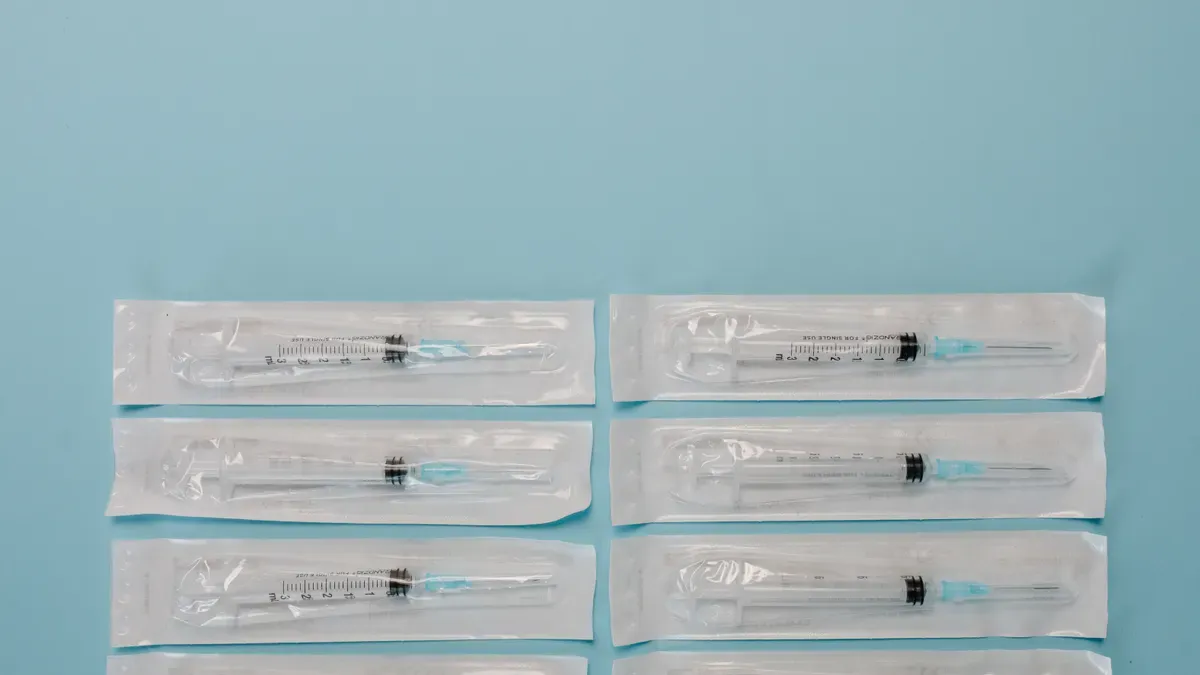
Your PP needle bends easily because polypropylene is a bendy plastic. It changes shape under pressure, especially when you push it in. That trait of the material is the main cause. Bad technique, cheap needles, or pushing too hard make it worse. A bent needle can give the wrong dose and hurt tissue. Never straighten or reuse it. Throw away any bent needle right away.
This post explains the main reasons why needles bend. You will learn simple ways to stop it. You will also find tips for giving yourself shots safely. You will see how technique, needle quality, and storage change your results. Read on to keep your needles straight and your shots reliable.
Key Takeaways
Polypropylene needles bend easily when you press too hard, so push gently.
Always use a fresh needle. Reusing weakens the plastic and causes bends.
Keep needles in a cool, dry spot away from heat and sunlight.
When you insert the needle, flip it. This will reduce bending by about 80%.
Why Your PP Needle Bends
The Flexible Nature of Polypropylene
Polypropylene has a natural flexibility that makes it useful for many products. This same trait causes problems when you use it in a pp needle. The plastic bends when you apply pressure. It does not snap back to its original shape like metal does. Instead, it stays deformed. This is the root cause of bending.
Think about what happens during an injection. You push the needle through skin or a rubber stopper. The material resists. Your hand keeps pushing. The polypropylene hub and tube absorb that force. They flex. A small amount of flex is normal. Too much flex creates a permanent bend. The needle tip no longer points straight. This changes the angle of entry. It also changes how the fluid flows.
The flexibility of polypropylene is not a defect by itself. Manufacturers design many needles with this material because it works well for certain tasks. The problem starts when the force you apply exceeds what the plastic can handle. The material yields. It bends. Once that happens, the needle is compromised.
Too Much Force on the Needle
You increase the risk of bending when you push too hard. Many people think a needle should slide in with minimal effort. When it does not, they push harder. This extra force goes straight into the plastic. The needle bends under the pressure.
Improper angle is another common mistake. If you insert the needle at a steep angle, the side of the tube takes the force. This sideways pressure bends the needle quickly. A shallow angle works better. It lets the needle enter smoothly.
Reusing a needle makes everything worse. A needle that has already been used has microscopic damage. The plastic has already stretched. It has lost some of its original strength. When you use it again, it bends with much less force. You might not even notice the damage until the needle fails.
Never straighten a bent needle and use it again. The broken part of the needle can break off inside tissue. A bent needle also delivers an inaccurate dose. It can cause tissue damage and infection. Always discard a bent needle immediately.
The force you apply matters more than most people realize. A gentle, steady push works better than a quick jab. Let the needle do the work. If you feel resistance, stop. Adjust your angle. Do not force it. Your technique directly affects whether the needle stays straight or bends.
How to Break or Bend a Needle
Technique and Syringe Handling
You can bend or break a needle in a single motion. Pushing too hard remains the main mistake. It presses the polypropylene tip past its limit. Inserting at a steep angle is another mistake. It bends the needle sideways. Reusing a needle is the third mistake. The plastic loses strength after one use. Your technique matters more than you think. Proper technique keeps your needles straight.
Start with a gentle push. Insert the needle at a shallow angle. Let the syringe guide the movement. Do not force the plunger. If you feel resistance, stop and adjust. A quick jab creates too much flex. You might break or bend a needle when you rush.
Use a new needle every time. A fresh needle has full strength. A used needle carries tiny cracks. Those cracks make bending easier. Before you attach a new needle on the syringe, check the hub and tube. Look for any curve.
A useful trick: flip the needle during insertion. Turning the needle as it enters can reduce deflection errors. The rotation lets the tip find the easiest path. Practice with a light grip.
Giving Yourself Shots Safely
Giving yourself shots demands extra care. You cannot see the needle tip from every angle. You rely on feel and preparation. Giving yourself shots safely means checking every part first. Learn how to give yourself shots before you attempt an injection. Practice giving yourself shots in front of a mirror. This builds confidence.
Giving yourself a shot can feel intimidating at first. Giving yourself a shot also requires patience. Inspect the needle before every use. Look at the shaft from the side. If you see any curve, discard it. Do not touch or bend the needle to test it. A bent needle causes poor dosing and tissue damage. Use a short needle for a subcutaneous injection. Insert it at a 45-degree angle. Use a longer needle for an intramuscular injection. Insert it at a 90-degree angle.
Check the syringe before you inject. Tap the barrel to move any air bubble in the syringe to the top. Push the plunger slightly to push out the air. Then watch for blood in the syringe. Blood in the syringe means you hit a blood vessel. Remove the needle right away. Try a new spot.
After you remove the needle, press the site with clean cotton. Do not rub. Remove the needle along the same angle you used to enter. When you remove the needle, put it in a sharps container. Always remove the needle before you throw away the syringe. This keeps everyone safe.
Rotate injection sites each time. Repeated use of one spot causes soreness and scar tissue. Rotate sites between your left and right sides. This keeps the skin healthy. Keep the needle clean while you work. Do not set it down. Keep your needles sterile until the moment of use. Administering injections with a clean needle prevents infection. The shots you prepare at home need the same care. Store your shots in a labeled container. These shots become easier with routine. Self-administered shots require focus. Good rotation also prevents infection.
Quality and Storage Matter
Signs of a Low-Quality Needle
Low-quality manufacturing starts with poor material grades. Some makers use recycled or heavily filled polypropylene. Those impurities create weak points. The hub bends or cracks under a light push. A low-grade needle fails before a quality one. You can spot these items early. Check the hub color. Cheap parts have uneven color or rough edges. The tube may sit off-center. A straight tip lines up perfectly with the syringe. If you see a curve, throw the item away. Never straighten a bent tip. The damaged metal can break inside you. It also gives the wrong dose.
Quality also shows in the tube. Good stainless steel resists bending. Low-quality steel flexes too much. Check the gauge markings. Crisp, clear marks mean good printing. Blurry marks signal poor inspection. Choose a trusted brand. Contriu's One-piece PP products use high-quality stainless steel and PP. The one-piece construction keeps the tube aligned. The flexible tube bends slightly without breaking. That small bend reduces damage to workpieces.
Temperature and Storage Tips
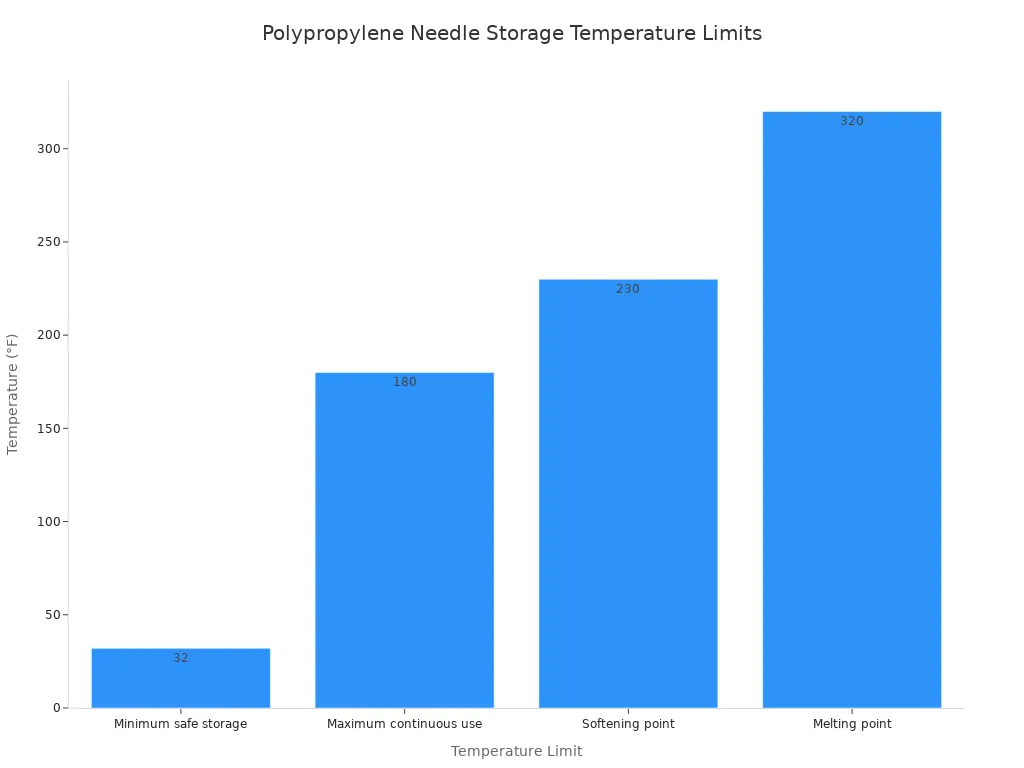
Heat weakens polypropylene faster than you expect. The material softens at 230°F (110°C). It begins to lose shape under continuous heat. The melting point sits at 320°F (160°C). Between those numbers, the plastic warps. Keep supplies away from sunlight and radiators. A hot car dashboard or sunny windowsill pushes temperatures into the danger zone. The safe continuous use range runs from 32°F (0°C) to 180°F (82°C). Store items inside that window. Improper storage also means leaving supplies in damp areas. Moisture corrodes the steel tube. It weakens the PP hub over time.
The chart below shows these limits clearly.
Keep the original pouch sealed until use. Inspect every tip before you use it. Look for bends, cracks, or discoloration. Throw away any compromised item. Properly stored tips keep their strength. Poorly stored ones fail at the worst moment.
Solutions to Prevent Bending
Choosing a Better PP Needle
Begin with a better-quality pp needle. Contriu's One-piece PP Needles mix a bendable stainless steel tube with a strong PP Luer lock hub. The one-piece build removes weak joints. It keeps the tip lined up with your syringe. It also stops the hub from coming loose while you use it. This design lets the tip touch workpieces without scratching delicate surfaces.
Here are the main specifications:
Specification
Detail
Gauge range
14G to 30G
Hub material
Medical-grade polypropylene (PP)
Hub manufacturing
Monolithic injection molding, no glue, clear/see-through
Cannula material
High-grade surgical stainless steel
Cannula point
Ultra-sharp micro-lancet, ground on many sides
Standard lengths
6.5mm, 13mm, 25mm
Color-coded hubs (white, pink, yellow) help you find the gauge fast. Each pouch holds 50 pieces. The one-piece design works with most standard Luer lock syringes.
The bendable and stretchy tube flexes a little when it touches something. That small give soaks up shock instead of passing it to the hub. It lowers defect rates and boosts production efficiency. You spend less time swapping out bent tips. You keep the line running without constant changes. The clear hub lets you watch fluid flow. You can spot air bubbles before they reach the workstation. The one-piece design also keeps the hub from pulling off. You can press with steady force without worrying about leaks.
Adjusting Technique and Storage
Use less force. Let the syringe do the work. Flip the needle during insertion to cut deflection errors. If you feel resistance, stop. Check your angle. Do not push through. A quick jab makes too much flex. A gentle, steady push lets the tip find the easiest path. Always attach a fresh tip before you fill the syringe. A used tip has tiny cracks. Those cracks make bending easier. Hold the syringe close to the hub. Attach the syringe firmly before you press the plunger. The tip stays true. Use a fresh tip each time you change fluids. This keeps the point sharp. It also lowers the chance of clogs.
Careful handling protects every tip. Store tips away from heat and sunlight. High temperatures soften the polypropylene hub. A hot car or a sunny windowsill can weaken the metal shaft before you use it. Keep the original pouch sealed until you attach the tip. Inspect every tip before each use. Look for bends, cracks, or discoloration. Check the pouch for damage before you open it. A torn pouch lets moisture reach the hub. Throw away any damaged item right away. Never straighten a bent tip. The broken metal can break off inside tissue. It also gives an inaccurate dose.
Temperature control protects the hub. Moisture corrodes the steel tube. Store supplies in a dry, cool place. Keep the pouch away from radiators and direct sunlight. Proper storage keeps tip strength. Good storage also keeps the hub clear and free from stress.
Contriu also offers pre-bent, plastic steel, Teflon, and brush options for dispensing. You can build a complete dispensing system with these parts. Each component serves a different fluid type. You match the tip to the viscosity and application. This approach cuts waste and improves accuracy for both dispensing and injection work. When you combine quality construction with careful handling, you solve most bending problems. You choose a sturdier product. You refine your method. You store everything correctly. The result is fewer bent tips, fewer wasted syringes, and smoother dispensing.
A pp needle bends for four main reasons. Polypropylene gives way when you press on it. Bad technique means you push too hard. Cheap materials break down early. Poor storage makes the plastic and steel weak over time.
You can solve most of these problems. Pick Contriu's One-piece PP Needles for a stronger build and better lining up. Push more gently and hold a shallow angle when you insert. Keep your supplies cool, dry, and out of the sun.
These steps cut down on bending. Your shots turn out safer and more correct. Your dispensing goes smoother with fewer stops. You throw away fewer needles and spend less time changing them. A little care makes a big difference in your results.
FAQ
Can you straighten a bent PP needle and use it again?
No. A bent needle has weakened plastic and metal. Straightening it creates cracks you cannot see. The tip may break off inside tissue. You also get an inaccurate dose. Discard any bent needle right away and attach a fresh one.
How do you know if a PP needle is low quality?
Check the hub color for uneven patches or rough edges. Look at the tube alignment with the syringe. A straight tip lines up perfectly. Blurry gauge markings signal poor inspection. Choose a trusted brand like Contriu for consistent quality.
What temperature range keeps PP needles safe?
Store your needles between 32°F and 180°F. Heat softens polypropylene at 230°F. The material melts at 320°F. Keep supplies away from hot cars, radiators, and direct sunlight. Moisture also corrodes the steel tube over time.
Does flipping the needle during insertion really help?
Yes. Rotating the needle as it enters lets the tip find the easiest path. This simple motion cuts deflection errors. You use less force and keep the needle straight. Try it with your next injection.
How many needles come in one Contriu pouch?
Each Contriu pouch holds 50 pieces. The color-coded hubs (white, pink, yellow) help you find the right gauge fast. Models range from 14G to 30G. The one-piece design fits most standard Luer lock syringes.