In the high-velocity environment of critical care units, emergency departments, and operating theaters, the management of intravenous fluid paths demands absolute structural and clinical precision. Administering multiple incompatible medications, managing continuous blood pressure monitoring lines, and executing rapid fluid resuscitation require a fluidic interface that guarantees zero leakage and flawless path redirection. A minor mechanical failure—such as a cracked housing due to lipid infusion or a shifting of the valve gate under line pressure—can lead to severe clinical complications, including air embolism, medication under-dosing, or retrograde flow contamination.
To safeguard these vital pathways, global healthcare networks are moving toward highly specialized fluid control consumables. Utilizing a premium 3-way stopcock on the patient line is a fundamental baseline for maintaining absolute control over multi-port infusion dynamics.
Contriu stands at the forefront of this medical device sector. By leveraging high-purity polymer selection, automated cleanroom assembly, and rigorous sterilisation protocols, Contriu integrates exceptional fluid guidance systems directly into the hands of healthcare professionals, ensuring clinical fluid networks remain pristine, secure, and fully airtight.
1. Material Science in Fluid Infusion: Polycarbonate and High-Density Polyethylene
The primary challenge when introducing complex chemical compounds, lipids, or volatile anesthetics into an intravenous line is maintaining the chemical and structural stability of the valve assembly. Low-tier plastic components frequently experience environmental stress cracking when exposed to aggressive drug carriers, resulting in micro-leaks that expose patients and staff to biohazards.
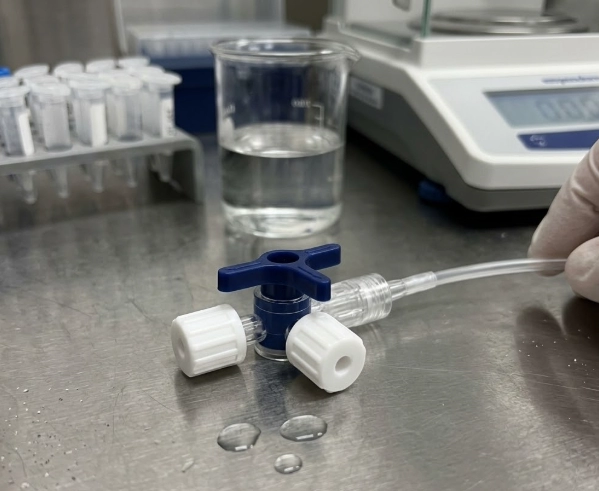
To prevent this polymer degradation, selecting a polycarbonate 3-way stopcock for medical use is essential. The core structural housing of the Contriu valve is molded from medical-grade polycarbonate, an amorphous polymer renowned for its high tensile strength, exceptional optical clarity, and rigid resistance to chemical erosion.
Concurrently, the internal rotating core utilizes high-density polyethylene (HDPE). This distinct combination creates an exceptional low-friction, metal-free interface. The natural lubrication properties of high-density polyethylene enable smooth, 360-degree rotation of the control handle without requiring secondary chemical lubricants that could leach into the fluid stream. This ensures a perfectly tight, drip-free seal even when subjected to prolonged hydrostatic line pressures.
2. Structural Security: Eliminating Disconnection Risks with Male Lock Adapters
Every connection point within an intravenous or arterial line represents a potential failure site. Under high-pressure infusions, such as those driven by automated syringe pumps, standard friction-fit luer slip connections can easily back out, creating immediate risk for the patient.
Addressing this connection vulnerability requires a secure mechanical interface. Incorporating a specialized 3-way stopcock with male lock adapter ensures a permanent, unyielding link with downstream vascular access devices.
The integrated male luer lock ring features high-precision threading that securely grabs the corresponding female luer hub on central venous catheters, peripheral lines, or extension sets. This mechanical locking shield prevents accidental disconnections caused by patient movement or high-pressure fluid surges. The transparent body architecture allows clinicians to easily audit the entire internal flow pathway, verify the complete elimination of air bubbles, and visually confirm fluid movement across all active ports during complex multi-drug setups.
3. Sterility Assurance: EO Gas Protocols and Advanced Unit Packaging
For hospital epidemiology departments and infection control committees, minimizing nosocomial infections is a top operational priority. Because fluid control valves are positioned directly within the primary fluid pathway leading to the patient's vascular system, any breakdown in sterility during manufacturing or distribution can introduce catastrophic pathogens.
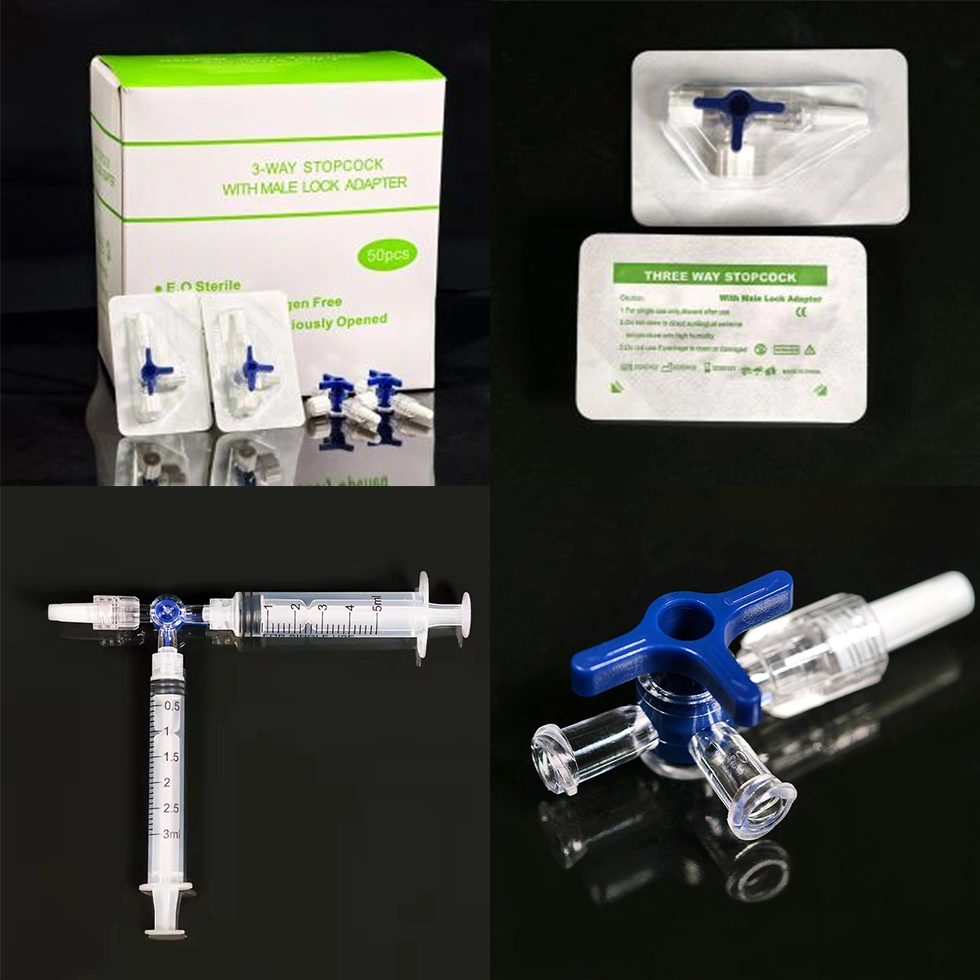
Every unit manufactured at our state-of-the-art facilities in Mainland China undergoes a comprehensive sterilization process. Choosing a disposable sterile 3-way stopcock individually packed ensures that every single valve arrives at the bedside in a flawless, ready-to-use clinical state.
The primary sterilization cycle utilizes advanced Ethylene Oxide (EO) gas exposure, which deeply penetrates the internal channels and luer threads of the assembled stopcock to neutralize all microbial life without degrading the structural integrity of the polycarbonate housing. The individual medical-grade paper-film pouch acts as a reliable microbial barrier, preserving complete sterility throughout transit and extended hospital storage timelines until the precise moment of clinical deployment.
4. Supply Agility: High-Volume Logistics and Custom OEM/ODM Scale
Modern hospital networks and global medical distributors require predictable, high-volume inventory cycles to avoid stock shortages that disrupt surgical and ICU schedules. Procurement managers must balance strict unit packaging requirements with reliable supply chains capable of delivering massive volume continuity.
To satisfy these high-volume supply requirements, Contriu products are organized into an efficient, space-saving distribution layout:
● Optimized Box Architecture: Every shipment is systematically packed with 50Pcs/Box, providing clean organizational metrics for busy hospital central supply shelves.
● Comprehensive Scale Customization: Recognizing that different clinical specialties demand unique setups, our flexible OEM/ODM manufacturing framework allows for custom with scale modifications, including integrated extension tubes, color-coded handles for quick line identification, and custom brand packaging.
● Certified Mainland China Production: Leveraging advanced, automated medical molding infrastructure allows for a perfect balance between competitive per-unit economics and strict adherence to international quality management benchmarks.
5. Clinical ROI: Minimizing Occlusions and Maximizing Hospital Efficiency
From an administrative and purchasing perspective, investing in premium-grade fluid management consumables from Contriu is a decisive strategy for enhancing overall clinical workflows. Relying on inferior, generic stopcocks frequently forces medical staff to deal with stiff handles, hidden structural leaks, and line occlusions that can quickly turn into expensive emergency interventions.
Choosing Contriu minimizes your clinical risk profile. Because these stopcocks offer highly consistent dimensions, ultra-smooth handle rotation, and robust material stability, busy floor nurses and anesthesiologists can configure complicated fluid lines rapidly with total confidence. This unyielding mechanical reliability helps global medical distributors and hospital networks secure premium procurement tenders, reduce line setups times, and comfortably deliver the zero-compromise patient safety standards that modern global healthcare systems demand.