Home > News > Blog > What should I check before bulk buying double threaded needles?
share
What should I check before bulk buying double threaded needles?
Jul 23Source:Intelligent Browse: 102
You need the right tools for glue dispensing. Before buying many double threaded needles, check each detail. Shenzhen Contriu Technology Co., Ltd. is known for good quality and trust. Find helpful tips to stop sewing problems and make sure the tools work for you.
Being exact is important—small mistakes can slow you down!
Key Takeaways
Check if the double threaded needles are good quality. Look for stainless steel and nickel plating. These help the needles last longer and stop rust.
Pick the right needle size for your glue type. Big needles work best with thick glue. Small needles are better for fine work.
Look at the packaging and each needle for problems before using them. This helps you avoid skipped stitches or broken threads.
Double Threaded Needle Quality
When you look for the right double threaded needle, you want to make sure it stands up to your needs. Quality matters a lot, especially if you use these tools for glue dispensing in a busy workshop or a science lab. Let’s break down what you should check.
Material and Durability
You want your double threaded needle to last. Shenzhen Contriu Technology Co., Ltd. uses stainless steel for the needle and a brass holder with nickel plating. This combo gives you strength and helps fight off rust. If you work with glue or other sticky stuff, you know how important it is to have a needle that does not bend or break. The nickel plating also keeps the needle looking sharp and working well, even after many uses.
Think about how often you switch between projects. You might use a double needle for sewing thick materials one day and fine fabrics the next. The strong materials in these needles help you avoid problems like bending or snapping. You can trust that each double thread will hold up, even if you use it every day.
Tip: Always check the needle for any signs of wear before you start a new sewing or glue job. A strong needle means fewer interruptions.
Manufacturing Consistency
You need every double threaded needle in your pack to work the same way. Shenzhen Contriu Technology Co., Ltd. pays close attention to how each needle is made. They offer multiple sizes, from 8G to 32G, so you can pick the right one for your project. Consistent manufacturing means you get the same smooth glue flow or even stitches every time.
If you do a lot of sewing, you know how frustrating it is when one double thread needle works differently from another. Consistency helps you keep your workflow smooth. You do not have to stop and adjust your machine or your handwork because of a faulty needle. This is true for both glue dispensing and sewing projects.
Here’s a quick checklist to help you spot quality:
Check for smooth surfaces on the needle and holder.
Make sure the double thread fits tightly and does not slip.
Look for even nickel plating with no rough spots.
Test a few needles before starting a big sewing or glue job.
Feature
Why It Matters
Stainless Steel Needle
Strong, resists bending
Brass Holder
Adds durability
Nickel Plating
Fights rust, looks professional
Multiple Sizes
Fits many sewing and glue jobs
When you choose a high-quality double threaded needle, you make your sewing and glue work easier and more reliable. You save time, avoid mistakes, and get better results with every double thread you use.
Compatibility with Glue Dispensing Systems
Needle Size and Model Options
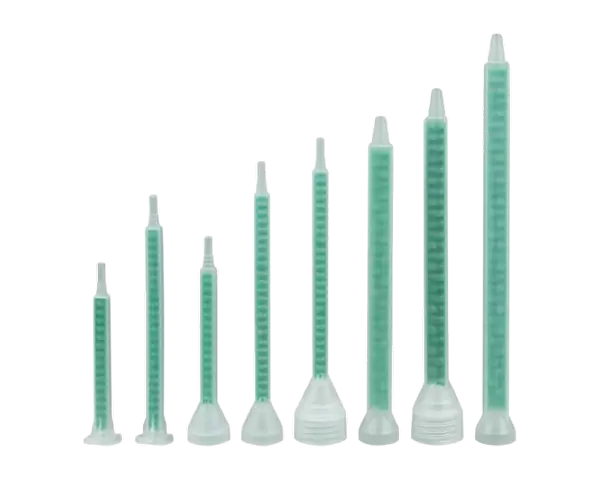
You want your tools to work smoothly with your glue dispensing system. The double threaded needle comes in sizes from 8G to 30G, so you can pick the right one for your job. If you use thick glue, you need a bigger size. If you work with thin glue or do detailed sewing, a smaller size fits better. The 1/2 inch length makes it easy to handle and fits most systems.
You can choose from many models. This helps you match the double thread to your glue and your sewing needs. Picking the right size means you get a steady flow and avoid messes. If you switch between projects, having options saves you time.
Tip: Try different sizes for each glue or sewing job. You will see which one works best.
Secure Fit and Integration
You need a needle that fits tight and does not leak. The double needle from Shenzhen Contriu Technology Co., Ltd. uses an external thread that locks onto the barrel. This keeps your glue from spilling and makes your sewing neat.
Matching the double thread to your system is important. You want to check how the glue flows, how sticky it is, and how fast it cures. Here’s a table to help you see what matters most:
Compatibility Factor
Description
Adhesive Viscosity
Pick the right size for thick or thin glue.
Stringing and Flow Characteristics
Stop glue from tailing or overflowing.
Chemical Activity and Curing Characteristics
Make sure the needle material works with your glue and does not cause early curing.
If you pay attention to these factors, you get better results in both glue dispensing and sewing. Your double thread stays strong, and your projects look clean.
Double Thread and Twin Needle Tips
Preventing Tangling and Thread Issues
You want smooth sewing with a twin needle. Tangling can ruin your project and waste time. Start by picking thread colors that match your fabric. This makes mistakes easier to spot. Keep the short end of your thread tucked away. If you let it hang loose, it can get caught and cause knots.
Try using an external spool holder. This tool helps your thread feed evenly. You avoid snags and keep your double layer of thread straight. When you use a double threaded needle, check that both threads move freely. If you see any loops or twists, stop and fix them right away.
Tip: Always check your thread path before you start sewing. A quick look can save you from big problems later.
Managing Thread Tension and Speed
Thread tension matters a lot when you sew with a twin needle. If your tension is too tight, your stitches can break. If it is too loose, your double thread will look messy. Adjust your thread tension until both threads sit flat on your fabric.
Sewing speed also affects your results. Go slow at first. You can speed up once you see that your stitches look good. If you rush, you might miss problems with your double needle. In glue dispensing, steady speed keeps your glue flow even.
Here are some tips for better sewing with a double needle:
Test your tension on a scrap piece before you start.
Watch your sewing speed and adjust as needed.
Use a twin needle for neat, parallel lines.
Make sure your double thread does not pull or bunch up.
You get better results when you pay attention to these details. Your sewing projects look clean, and your glue dispensing stays precise.
Packaging and Bulk Purchase Considerations
Quantity and Packaging Quality
When you buy double threaded needles in bulk, you want to know exactly what you are getting. Each package from Shenzhen Contriu Technology Co., Ltd. gives you 12 pieces. This amount works well for most sewing projects, whether you are in a busy workshop or a classroom. You do not want to run out in the middle of a project, so having extra needles on hand saves you time and stress.
Check the packaging before you start using the needles. Good packaging keeps your needles safe from dust, moisture, and damage. If you see any broken seals or crushed boxes, set those aside and look for another pack. Neat and sturdy packaging means your needles stay sharp and ready for use.
Tip: Store your unused needles in their original box. This keeps them organized and easy to find when you need them for your next sewing task.
Checking for Defects
Before you use a new needle, take a close look at each one. Look for bent tips, rough edges, or any signs of rust. Even one damaged needle can cause problems with your sewing, like skipped stitches or broken thread. You want every double thread needle to work smoothly, so a quick check saves you trouble later.
Here is a simple checklist to help you spot issues:
Inspect the needle tip for sharpness.
Check the holder for cracks or dents.
Make sure the needle is straight.
Test the needle with a scrap piece of fabric to check thread tension.
If you find a problem, do not use that needle. Good quality control helps you keep your sewing projects running smoothly and keeps your thread tension just right.
Supplier Reliability and User Reviews
Researching Supplier Reputation
You should feel sure before buying lots of double threaded needles. First, check if the supplier is trusted. Shenzhen Contriu Technology Co., Ltd. is one example. A good supplier makes strong designs and keeps quality high. They use careful steps to make each needle. Some companies follow ISO rules like ISO 13485:2016 or ISO 9001. These show they care about doing things right.
Here are some things you can do when checking a supplier:
Decide what you need for sewing or glue jobs.
Look for suppliers who offer what you want.
Ask for details and compare what each one gives.
Learn about their past and see if there were any issues.
Talk about the order and agree on all points before buying.
A good supplier sends your order on time and gives you the right items. They help your sewing work go well.
Interpreting Feedback
User reviews help you see what others think. When you read them, look for notes about quality and delivery. See if people say the needles work well for sewing. Watch for patterns in what people say. If many say the needles are strong and sewing is easy, you can trust that.
Here are things to look for in reviews:
People often say the quality is good and orders are right.
Many like the customer service and quick shipping.
Some give honest thoughts about how the needles work.
Tip: Always try a sample before you buy a lot, even if reviews are good. This helps you avoid problems and keeps your sewing easy.
Practical Tips for Testing Double Needles
Requesting Samples
Before you buy a big batch of twin needle sets, always ask for samples. Testing a double needle on your sewing machine helps you spot any problems early. You get to see how the twin needle works with your fabric and thread. Try sewing with a double needle on scrap fabric first. This step lets you check thread tension and see if you get smooth parallel stitches. If you do hand sewing, you can also test how the needle feels and moves through the material. You want a professional finish, so take your time with this step.
Tip: Use different thread colors when testing. This makes it easier to spot any skipped stitches or uneven lines.
Common Issues to Avoid
When you test a twin needle, you might run into some common problems. Here’s a table to help you spot and fix them:
Issue
Explanation
Thread Breakage
Burrs on the needle plate or a damaged needle can cause this. Slow down and re-thread if needed.
Skipped Stitches
A dull needle or wrong type can lead to this. Always use the correct twin needle.
Tunneling
Bad stitch length or thread tension can make seams pucker. Adjust tension and stitch length.
You can avoid most issues with a few simple tips:
Place your thread spools so they unwind in opposite directions to stop tangling.
Test your setup on scrap fabric before your main sewing project.
Adjust thread tension and speed until both threads feed smoothly.
Clean your machine often. Twin needle sewing adds more thread, so a clean machine helps.
If you follow these tips, you will get neat parallel stitches and fewer problems. Good testing means better sewing results every time.
Here is a simple checklist to use before you buy a lot of double threaded needles:
Look at the needle’s quality and what it is made from.
Pick sizes that fit your glue system well.
Look at the packaging and count how many needles you get.
Find out if the supplier is trusted by others.
Try out samples before you buy a big pack.
Tip: If you choose and test carefully, you will have fewer problems and get more work done!
FAQ
How do I pick the right size double threaded needle?
You should match the needle size to your glue type and project needs. Thicker glue works best with larger sizes. Fine work needs smaller needles.
Can I use these needles for both sewing and glue dispensing?
Yes! You can use double threaded needles for sewing and glue dispensing. Just make sure you test them first with your materials.
What should I do if my needle gets clogged?
Try cleaning the needle with warm water or a gentle solvent. Use a soft brush if needed. Always check for clogs before starting your project.