In high-performance liquid chromatography (HPLC), precision is not optional—it is foundational. Every variable, from mobile phase composition to column temperature, must be tightly controlled. Yet one often underestimated component in this analytical chain is the HPLC laboratory syringe. Its design, material composition, and compatibility with samples directly influence reproducibility, accuracy, and contamination control.
Understanding the Function of an HPLC Laboratory Syringe
An HPLC laboratory syringe is engineered for precise sample aspiration and injection into chromatographic systems. Unlike general-purpose syringes, these are designed to meet strict analytical requirements:
● High dimensional accuracy for consistent volume delivery
● Chemical resistance to solvents such as acetonitrile, methanol, and buffers
● Low dead volume to minimize sample waste
● Minimal extractables and leachables to avoid contamination
In HPLC workflows, even micro-level inconsistencies can lead to peak distortion, retention time shifts, or inaccurate quantification. Therefore, syringe selection becomes a critical control point.
Why Choose 2-Piece No Rubber Stopper Syringes?
1. Eliminating Contamination Risks
Traditional syringes often use rubber stoppers, which can introduce:
● Organic extractables
● Particulate contamination
● Adsorption of analytes
A 2-piece no rubber stopper syringe eliminates these risks entirely. This is especially important in:
● Pharmaceutical analysis
● Environmental testing
● Trace-level chemical detection
By removing rubber components, the syringe ensures cleaner sample pathways, improving chromatographic integrity.
2. Enhanced Chemical Compatibility
Rubber materials can degrade when exposed to aggressive solvents. In contrast, no-rubber designs—typically using high-purity polypropylene or glass—offer:
● Superior solvent resistance
● Reduced swelling or deformation
● Long-term stability under repeated use
This makes them ideal for HPLC solvent-resistant laboratory syringes, particularly when handling volatile or corrosive compounds.
3. Improved Reproducibility in Analytical Results
Reproducibility is central to HPLC validation. The absence of rubber reduces variability caused by:
● Friction inconsistencies
● Material expansion
● Residual adsorption
As a result, precision HPLC sample injection syringes provide more consistent plunger movement and volume control.
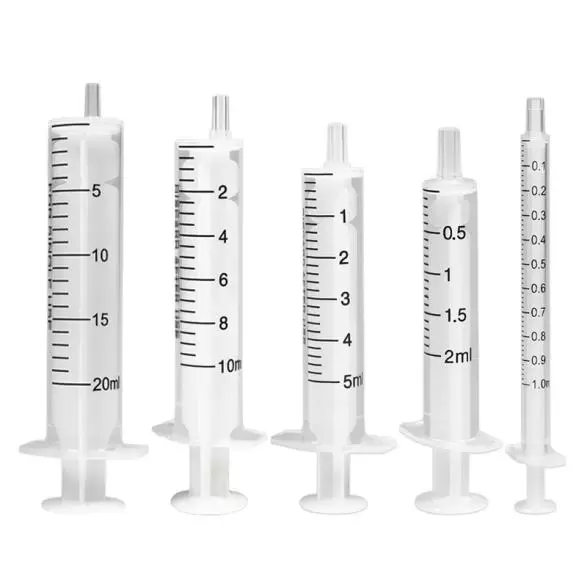
Volume Versatility: 1ml to 20ml Applications
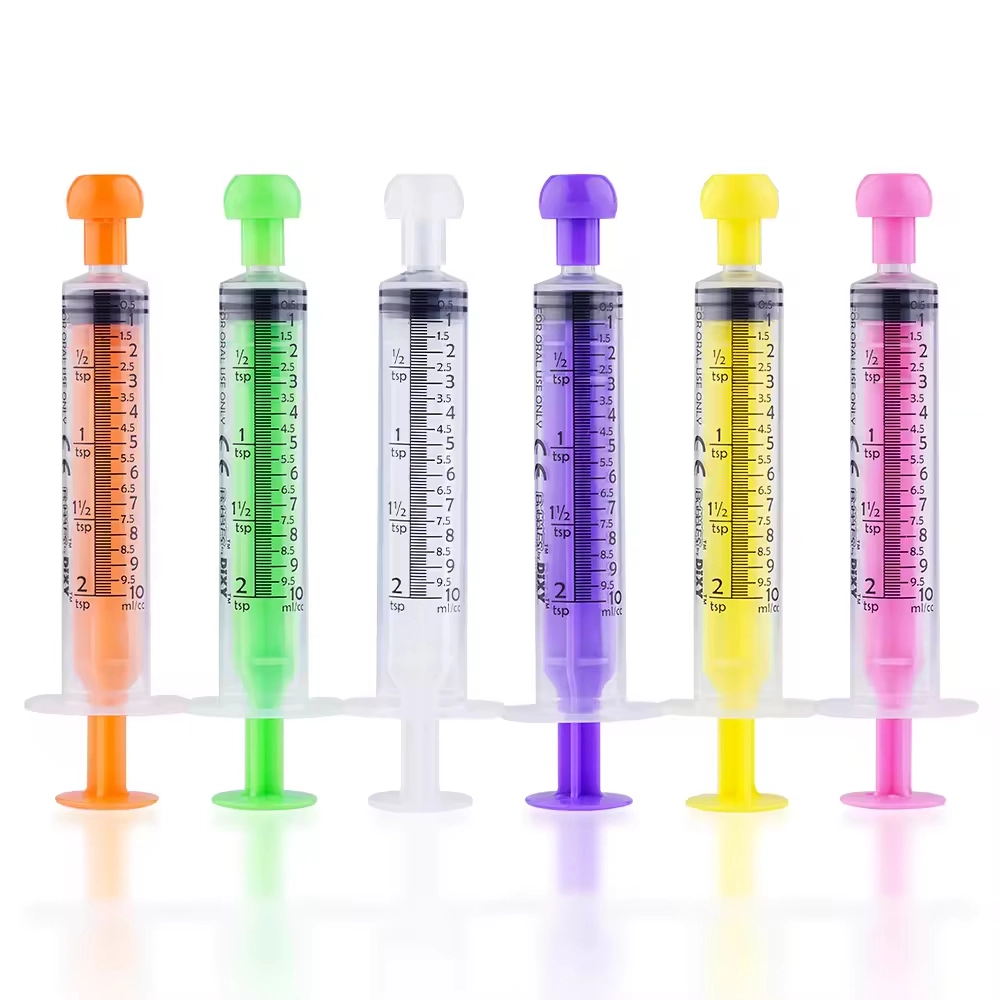
The availability of 1ml to 20ml HPLC laboratory syringes supports a wide range of laboratory applications:
◆ Low-Volume Precision (1ml–5ml)
● Ideal for trace analysis
● Suitable for high-sensitivity detectors
● Minimizes sample waste
◆ Medium Volume (5ml–10ml)
● Common in routine analytical workflows
● Balanced between precision and capacity
◆ High Volume (10ml–20ml)
● Used for sample preparation
● Suitable for dilution, filtration, or transfer processes
This scalability allows laboratories to standardize workflows using a single syringe platform across multiple analytical tasks.
Design Features That Matter in HPLC Syringes
When selecting a high-quality syringe, several engineering aspects should be evaluated:
1. Tight Tolerance Barrel Construction
Ensures accurate volume delivery and minimizes leakage.
2. Smooth Plunger Operation
Critical for controlled injection speed and reproducibility.
3. Luer Lock or Slip Tip Compatibility
Supports secure connections with filters, needles, and HPLC systems.
4. Low Dead Space Design
Reduces sample retention and ensures maximum recovery.
5. Sterility and Packaging
Individually packed syringes are essential for contamination-sensitive applications.
Application Scenarios in Analytical Laboratories
A high-performance HPLC laboratory syringe is indispensable in multiple sectors:
◆ Pharmaceutical Industry
● Drug formulation analysis
● Stability testing
● Quality control
◆ Environmental Monitoring
● Detection of pollutants in water and soil
● Trace-level contaminant analysis
◆ Food & Beverage Testing
● Additive quantification
● Residue analysis
◆ Biotechnology & Life Sciences
● Protein and metabolite analysis
● Sample preparation for LC-MS
In each of these applications, syringe quality directly impacts data integrity and regulatory compliance.
Why Contriu HPLC Laboratory Syringes Stand Out
As a specialized manufacturer, Contriu focuses on delivering high-precision laboratory consumables tailored for analytical environments.
Key advantages include:
● 2-piece no rubber stopper design for ultra-clean sample handling
● Wide volume range (1ml–20ml) for flexible applications
● High manufacturing consistency ensuring batch-to-batch reliability
● Individually packed sterile options for sensitive experiments
Contriu’s syringes are particularly suitable for laboratories seeking low contamination HPLC syringes and high reproducibility injection tools.
Best Practices for Using HPLC Laboratory Syringes
To maximize performance and lifespan:
● Pre-rinse the syringe with the sample or solvent before use
● Avoid cross-contamination by dedicating syringes to specific analytes
● Store properly to prevent particulate ingress
● Inspect regularly for wear or damage
● Use compatible needles and filters to maintain system integrity
These practices ensure consistent analytical outcomes and protect sensitive instrumentation.
Conclusion
In HPLC analysis, accuracy is the result of cumulative precision across every component. The HPLC laboratory syringe plays a pivotal role in ensuring that samples are introduced into the system without contamination, loss, or variability.
By adopting 1ml–20ml 2-piece no rubber stopper syringes, laboratories can significantly enhance:
● Analytical reproducibility
● Sample integrity
● Operational efficiency
Manufacturers like Contriu provide advanced syringe solutions that meet the rigorous demands of modern analytical science, making them a reliable partner in high-performance laboratories.