Home > News > Blog > What is the difference between a hair transplant tweezer and a standard surgical tweezer?
share
What is the difference between a hair transplant tweezer and a standard surgical tweezer?
Sep 26Source:Intelligent Browse: 76
A hair transplant tweezer moves single hair roots very carefully. A normal surgical tweezer is a tool for picking up tissue, stitches, and bandages. This difference matters because hurt roots will not grow. Using the wrong tool can destroy a hair transplant.
Doctors use forceps and tweezers for many jobs. Regular surgical forceps hold strong tissue. Hair transplant forceps must protect soft tissue instead. Each graft lives only when handled softly. A crushed graft never grows new hair.
You see forceps and tweezers in all surgery rooms. But hair transplant forceps are different from normal surgical tweezers in shape and feel. Forceps vs tweezers is not just about names. The right forceps keep each graft safe. The wrong forceps kill hair.
Key Takeaways
Hair transplant tweezers have fine, smooth tips. Standard surgical tweezers have broad, serrated tips. Fine tips protect hair roots from crushing.
Titanium tweezers are lighter than stainless steel. Lighter tools reduce hand tiredness during long procedures. This helps you place each hair gently.
Curved tips help you place hair at the right angle. Straight tips can push the graft off course. Curved tips reduce hand strain.
Hair transplant tweezers are smaller, about 13 cm long. Smaller size gives you better control in tight spaces. You can work faster and more accurately.
The right tweezers protect each hair follicle. Crushed follicles do not grow. Using proper tools leads to higher graft survival and better patient results.
Design and Tip Shape
Forceps vs. Tweezers: Tip Shape
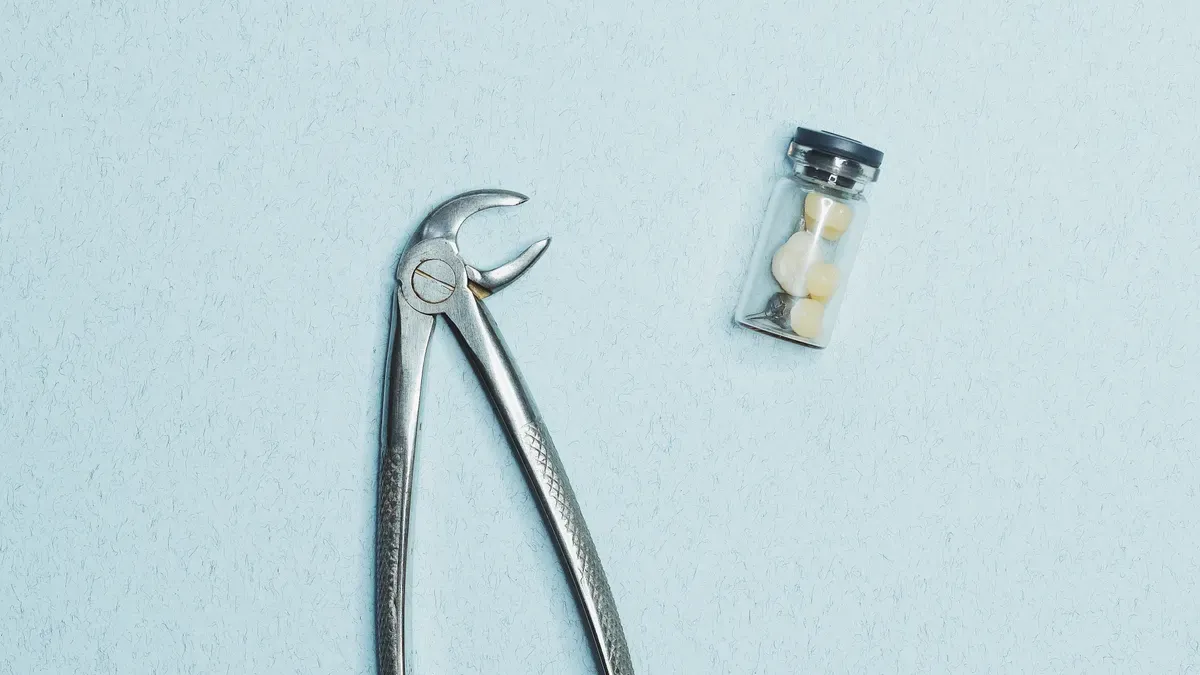
You pick up a standard surgical tweezer, and you see broad tips. These tips handle tough tissue well. Surgeons use them for grasping skin layers, sutures, and dressings. But these tips are too large for delicate tissues like hair follicles. A hair transplant tweezer, by contrast, has fine tips that taper to a sharp, narrow point. This shape allows precise control during graft placement. You can see the difference clearly when you compare the tools side by side. The broad tips of thumb forceps are strong but not delicate. They lack the precision needed for single-follicle work. Hair transplant tweezers are designed for precise manipulation of tiny grafts. The fine tips reduce the risk of crushing the follicle. This matters because a crushed graft dies and fails to grow hair. Using the right tool for the job keeps the follicle safe. Standard surgical forceps have a ratchet mechanism for locking onto tissue, but hair transplant tweezers avoid this because the ratchet can damage the graft. The hair transplant tweezer relies on your finger pressure alone for control. This pressure must be light and steady. You learn this skill through practice. The tip shape directly affects your ability to handle each graft without harm.
Curved vs. Straight Tips
Standard surgical tweezers usually have straight tips. These tips work well for general tasks like holding needles or clamping vessels. But straight tips can be awkward for placing grafts into small incisions at an angle. Hair transplant tweezers often come with curved or angled tips. This curve lets you place the follicle into the recipient site without turning your wrist into an unnatural position. You can approach the site from a better angle. The curved tip gives you precise placement while keeping your hand stable. This design reduces hand fatigue during long procedures. You need fine tips and a curve to achieve the accuracy that a hair transplant demands. For example, when you implant a graft into a tiny slit, the curved tip follows the direction of the incision. This helps the follicle sit correctly from the start. Standard straight tweezers would push the graft off course. The difference in tip geometry is one reason hair transplant tweezers are essential for FUE and other precision tasks.
Material and Construction
Titanium vs. Stainless Steel
The material of your forceps affects how well they work during long procedures. Hair transplant tweezers are often made from titanium alloy or high-quality stainless steel. Both materials resist rust and last through many cleanings. Titanium alloy is lighter than stainless steel, so it helps when you hold forceps for hours. Your hands stay less tired, and your movements stay steady. Stainless steel is strong and costs less, and many surgeons use it for regular tasks. But for hair work, the lighter titanium option reduces tiredness, which can hurt your accuracy when placing each graft. A tired hand makes errors that can crush a follicle. So the choice of material directly affects your results.
Anti-Magnetic Properties
Anti-magnetic properties protect delicate follicles from magnetic interference, and you might wonder why magnetism matters in a hair transplant. Research shows low-frequency electromagnetic fields affect follicle development; a study on mice found EMF exposure causes oocyte degeneration. This result shows EMF harms reproduction and development. The study also suggests we reassess how EMF affects ovarian tissue and follicle growth. These results lead to one conclusion: magnetic fields can harm the cells you work hard to protect. Anti-magnetic forceps prevent this risk during handling by stopping the tool from attracting or holding magnetic charge. This keeps each follicle safe from unseen damage. The Contriu Hair Transplant Tweezer uses premium construction with these properties in mind. Good forceps do more than grip; they shield the hair you place.
Size and Weight
Smaller Scale for Microsurgery
A hair transplant forceps is smaller than a standard surgical forceps. This smaller size helps you control each hair graft better when you place it. Standard surgical forceps are often about 15 to 20 centimeters long. Hair transplant forceps usually come in sizes like 13 cm. That shorter length feels lighter in your hand. You can move faster and more accurately.
The smaller scale also helps you work in tight spaces. You place hair follicles into tiny cuts on the scalp. A shorter forceps lets you reach those spots without hitting other tools. The fine tips on these forceps are narrow and sharp. They grab one hair at a time without crushing it. A standard surgical forceps has wider tips. Those wide tips work well for holding sutures or tissue. They do not work well for delicate hair work.
Ergonomic Balance
Ergonomic balance in a hair transplant forceps lowers hand tremor and muscle tiredness. Surgeons often work for many hours. One study describes operations that last 8 hours. During those long procedures, a balanced tool keeps your hand steady. That steadiness protects every hair you handle.
Lightweight titanium instruments help with this balance. Many surgeons now use them along with spring-assisted grips. These designs fight hand and arm injuries. A balanced forceps feels like a part of your fingers. You do not fight the tool. You guide it. This control matters for precision work. When your hand stays relaxed, you make fewer mistakes. You also place each hair with a gentler touch. The table below shows how balance features help.
Aspect of Ergonomic Balance
Documented Effect
Optimized balance geometry
Reduces hand tremor and muscle fatigue during lengthy operations
Balanced lightweight titanium instruments
Used with spring-assisted grips to combat surgeon injuries
A heavy tool tires your hand fast. Tired hands shake. Shaking hands crush hair follicles. So the weight and balance of your forceps directly affect your results. Choose a tool that feels light and steady. Your hands will thank you, and your patients will see better growth.
Specific Features
Serrated vs. Smooth Tips
Standard surgical forceps often have serrated tips. These tiny ridges grip tough tissue like skin or muscle more firmly. The teeth dig into the surface and hold it steady. But serrated tips can crush delicate tissues. A hair follicle cannot handle that kind of pressure. Hair transplant forceps use smooth tips instead. This smooth surface gives you exact control without harming the graft. You pick up one follicle gently. You place it into the site without crushing it.
Serrated tips still help in some hair restoration tools. Special punches with serrated edges protect the hair shaft during cutting. Devroye's Tornado serrated punch uses four evenly spaced blunt notches. These notches catch and protect the hair shaft while the skin is being cut. This design lowers transection and saves more grafts. So serrated edges work well on cutting tools, not on forceps that touch the graft directly.
Spring Mechanism and Tension
A spring mechanism gives you direct control over gripping and compression. You squeeze the forceps, and the spring brings them back to the open position. This design allows controlled force with every movement. You feel the tension in your fingers. You change your grip right away. This feedback loop protects each follicle from too much pressure.
Tension control matters for delicate work. A forceps with the right spring tension lets you handle single hair follicles gently. You avoid the ratchet mechanism found on standard surgical forceps. A ratchet locks the tips in place and applies steady pressure. That steady pressure can crush a graft. Hair transplant forceps depend on your hand alone. You decide how much force to use. You let go the moment you finish. This direct control keeps physical contact with the graft safe and short.
The table below shows how key features support atraumatic graft handling.
Key Feature
How It Ensures Atraumatic Graft Handling
Adequate dilation and maximum visualization of the slit
The device gently lifts and spreads the superficial part of the slit, allowing the graft to slide in without repeated insertion attempts that could damage it.
Reduced physical trauma to the graft
Lower risk of trauma even in beginner hands, since the slit is prepared before graft insertion.
Grafts kept immersed in holding solution
The graft holding plate attachment keeps follicular units hydrated, limiting dehydration during implantation.
Efficient gripping and stretching force
Two-finger grip and finger-worn design provide sufficient traction and controlled spreading force without hand fatigue.
Avoids overcrowding of hands
Worn on the index finger, it allows 3–4 implanters to work simultaneously in the same field, reducing manipulation-related graft stress.
These features work together. The right tips, the right tension, and the right design give you the precision that hair restoration demands.
Why Differences Matter in Hair Transplant
Hair Follicle Handling
Every difference you just read about comes down to one goal: protecting the hair follicle. A hair transplant tweezer grips with smooth, fine tips. A standard surgical tweezer grips with broad, serrated tips. That broad grip crushes the follicle. A crushed follicle will not grow. The damage happens in seconds, and you cannot undo it.
Think about what happens during a typical hair transplant method. You take a graft from the donor area. You put it into a tiny cut. The follicle is weak at this moment. It has no blood supply. It relies on your hands to survive. Best practices say you should hold grafts only by the fat tissue, never by the root or bulb. Pressure must never touch the follicular bulb during placement. A hair transplant tweezer lets you follow this rule. A standard surgical tweezer does not.
The physical contact with the graft must stay short and gentle. You use forceps and tweezers to move the graft from holding solution to the recipient site. Every extra second outside the body lowers viability. Every rough squeeze harms the bulb. The right forceps give you control without pressure. The wrong forceps give you grip without safety.
Transplant Success and Graft Survival
The numbers tell a clear story. Transection during harvesting can permanently damage up to 30 percent of grafts before implantation. Transected grafts do not grow. Too much graft density above 20 grafts per square centimeter puts all grafts at risk. Megasessions can lose up to 90 percent of grafts. These figures show how fragile the process is.
Research published in BMC Surgery (2024) shows Sapphire FUE improves graft survival by 10 to 15% and reduces postoperative inflammation by approximately 30% versus standard FUE, illustrating that instrument choice matters when it serves the architecture.
Instrument choice clearly affects outcomes. The table below shows how specific tool factors influence graft survival.
Instrument Factor
Effect on Graft Survival / Outcomes
Punch size, sharpness, composition, design
These properties influence tissue cutting capability, graft quality, fluid dynamics of the follicle, and tissue distortion. Inadequate punch size, blunt or distorted punch surfaces, and inappropriate force/orientation lead to wider incision wounds and graft transection.
Motorized vs manual punches
Motorized punches greatly increase graft harvesting rate but require better control and dexterity compared to manual punching.
FUE vs FUT (context)
FUE graft harvesting is a blind procedure, making graft injury during punching common. One study found lower FUE graft survival vs FUT (53.9% vs 85.2%), while another found equivalent survival. Transection/physical injury is a major drawback of FUE compared to FUT and a major reason for graft failure.
Standard surgical tweezers are made for suturing blood vessels and general tasks. They are not made for the extreme precision of a hair transplant. The ratchet mechanism on standard surgical forceps locks the tips in place. That lock applies steady pressure. Steady pressure crushes a graft. Hair transplant forceps avoid this mechanism entirely. You control the pressure with your fingers alone.
A hair transplant tweezer is essential for follicular unit extraction and other hair restoration methods. The forceps vs tweezers comparison is not about preference. It is about survival. Typical graft survival rates range from 90 to 98 percent when you manage time, temperature, and handling well. The right tool helps you reach that range. The wrong tool pushes you below it. Your patients see the difference in the mirror months later.
You now know the main differences. A hair transplant tweezer has fine tips, but standard forceps have wide tips. Titanium or stainless steel is better than standard steel. Smaller, lighter tools help your hands feel less tired. Smooth tips and spring tension take the place of the serrated tips and ratchet mechanism on general forceps. These forceps and tweezers do different jobs.
This tool is not just a different kind of standard surgical tweezer. It is a special instrument made to keep follicles alive. Every hair graft needs gentle handling. The right forceps protect each hair. The wrong tweezers crush it. The tool you pick directly affects graft survival rates and patient results. Precision in hair restoration starts with the instrument in your hand. Choose forceps and tweezers made for this transplant work.
FAQ
Can you use standard surgical tweezers for hair transplant work?
No. Standard surgical tweezers have wide, jagged tips that crush hair roots. Hair transplant tweezers have smooth, fine tips. Using the wrong tool harms the graft and lowers growth.
Why does the material of hair transplant forceps matter?
Titanium forceps weigh less than stainless steel. Lighter tools mean less hand tiredness during long procedures. Anti-magnetic properties also shield each hair from electromagnetic interference during handling.
How do curved forceps help with precision placement?
Curved tips let you place each follicle at the right angle without turning your wrist. This design gives you better control for precise work during implantation.
What is the right size for hair transplant forceps?
Most hair transplant forceps are 13 cm long. This shorter length helps you work in tight spaces. You control each hair better than with longer standard surgical forceps.
Do these forceps really affect patient results?
Yes. Using proper hair transplant forceps helps you get high survival rates. Standard surgical forceps crush follicles. The tool you choose directly affects each hair's future growth.